

You Car Is Greedy For Personal Data, But Thankfully You Can Probably Delete It

Many new cars on the road have some form of connected tech built in, and while the convenience of remote smartphone access is certainly welcome, the data harvesting happening in the background isn't. Hooking up your phone, using in-car services, or creating a driver profile often requires granting the vehicle access to your data. Automakers' privacy policies often bury the specifics about their data collection practices, ranging from location data to driving behavior.
What's collected and how it's used varies between make and model, but it's not uncommon to see brands share data with advertising and insurance companies. General Motors recently got into hot water with the Federal Trade Commission when it shared driver information with third-party data brokers without consent. In a 2023 study, the Mozilla Foundation went through the privacy policies of 25 car brands and found that cars are the worst product category when it comes to privacy. And according to the Electronic Frontier Foundation — a non-profit championing digital privacy and free speech — it's nearly impossible to track the exact whereabouts and usage of the data your car collects.
The DRIVER Act is a step in the right direction, as it requires car companies to allow owners access to all the data collected. But until the bill is signed into law, you might have to rely on third-party solutions – such as Privacy4Cars' Vehicle Privacy Report – to get a better sense of the data your car collects. Thankfully, there are ways you can delete the stored data. But the process can be a bit of a rigmarole.
Managing your data
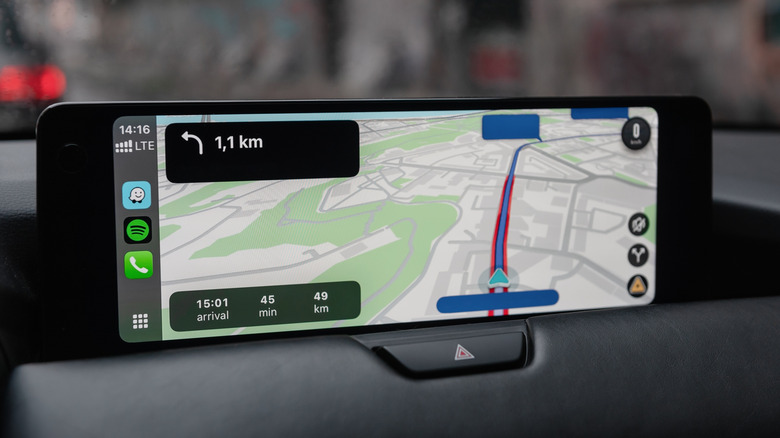
Your car may not be very good at protecting your data, but if you live in a state with stronger privacy laws – like California and Texas, for example – you may submit requests to limit, opt out of, or delete the data that's been collected and shared. But what if you don't? Well, according to Consumer Reports, even though certain brands restrict these submissions only to states where privacy laws are in effect, many automakers allow such requests from drivers all across the country. These requests are typically categorized as Right to Opt Out, Right to Limit the Use and Disclosure of My Sensitive Personal Information, and Right to Delete.
As for the process itself, you'll have to head to the brand's privacy page or portal and fill out an online form. Alternatively, you can modify the privacy settings to some extent by navigating through the car's mobile app. Keep in mind, though, that you might stand to lose some of the connected features like remote smartphone access and roadside assistance if you decide to opt out.
If you're selling your car, make sure to wipe all your personal data from the system first. Begin by resetting the infotainment system to factory settings and then unpair your car from the mobile app. If you're not buying from the same brand again, you may go ahead and delete the account too. This should take care of most of the stored data. But always double-check. Some automakers have "how-to" guides with instructions. Book a visit to the dealership if still in doubt.