

Is This Boat Motor Advice Wisdom Or Myth?
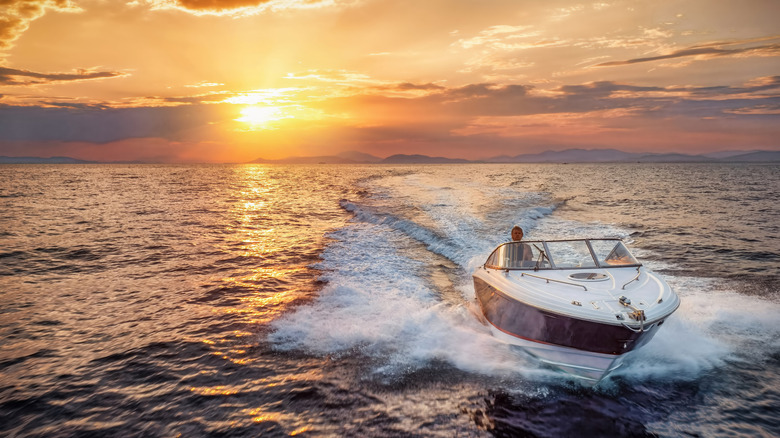
When it comes to buying a used gas-powered boat or a used replacement motor for a boat, the most common question is about price, followed by "how many hours?" It's much like when buying a used car, most customers' first question is how many miles are on it. While car and boat engines certainly have their differences, the amount of prior use is the simplest way to determine how much life remains, whether it's an inboard engine or outboard motor. Many boat enthusiasts will tell you (just as car enthusiasts will) that it isn't how many hours the motor has; it's how those hours were put on and how it's been serviced.
Is there a sweet spot for boat engines in terms of hours of use? Yes and no. Conventional wisdom seems to say you shouldn't buy a boat or a motor with over 1,000 hours on it. And while that's generally a good starting point, some enthusiasts feel it's a bit of a myth, because other factors can change whether an engine's 1,000 hours make it worthwhile or not, especially given ongoing advances in technology.
The 1,000 rule is more of a helpful guideline
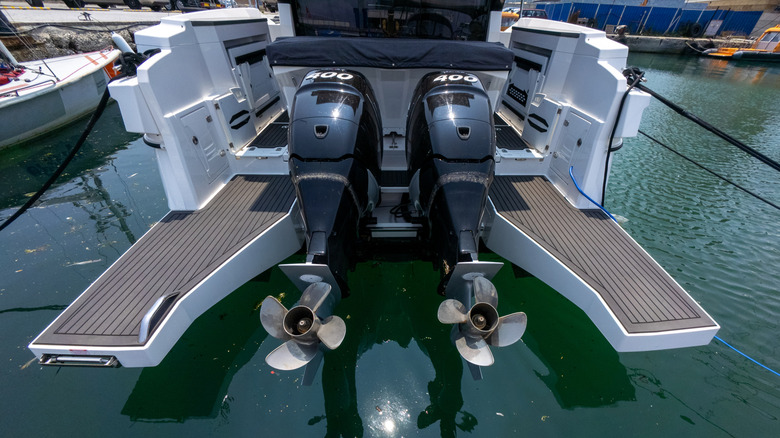
Most boat customers still seem to shop by the 1,000-hour rule: If the boat or motor has more, move on. It's the natural way of judging a boat's future lifespan, since that's how most customers view buying a used car, something most people do far more often than buying a used boat. For example, car dealerships will market a vehicle based on how the mileage compares to the national average of about 11,000 miles per year, as determined by the U.S. Department of Energy. The same thought process carries over to boats.
Just like with cars, it's the quality of those miles that matters more. For example, if the engine powered a big, heavy boat, it might have been stressed more than one that powered a small, lightweight boat. The type of water it's in matters, too, as salt water is far harsher on an engine than fresh water. Lastly, was the engine abused and beaten on by inexperienced or inconsiderate boaters, or was it properly warmed up and used appropriately? The answers to those questions are far more important than just the number of hours used.
Low mileage isn't necessarily good, either. If a boat is five years old but only has 100 hours on it, that means it was barely used. And most boating experts will tell you that engines like to run. Running an engine lets oil circulate for lubrication and rust prevention. Stagnation can lead to death.
Maintenance is the most important factor
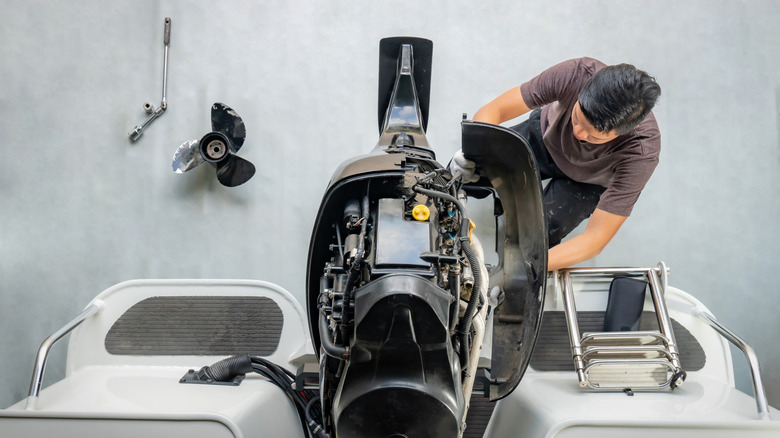
When it comes to buying, age and mileage don't tell the whole story with a used car. An engine with high mileage but consistent, quality maintenance is better than a low-mileage engine that was neglected. Routine maintenance to keep wear items fresh and replace anything that breaks will keep an engine running for a long, long time. But neglecting wear items can spell doom even for motors that have had an easy life. The same is true with boat engines. Some shops have purchased used boats with over 7,000 hours on their original engines, which still work beautifully. So maintenance is key.
Does that mean hours are meaningless? Of course not. The number of hours can tell you how soon the engine will need maintenance or how likely it is to have worn-out parts, a worn propeller, or a clogged water filter. So the 1,000-hour thing is more of a helpful guideline. If the engine has 1,000 hours or more, make sure it has had the necessary maintenance for the mileage, and the price is right. If so, it could be a perfectly safe engine to buy. If it has less mileage, make sure it matches its age, so it hasn't been sitting for too long. If it has, you'll probably need preventative maintenance from the very start.
The life a boat has lived is far more important than the length of its life. So when buying a boat or a replacement engine, gather as much information as possible about how it was used, not just the number of hours. Or just wait until the engine dies and swap in a cool car engine for funsies.