

So You Drive A Gas Guzzler And Need Better MPG. Here's Your Extreme Hypermiling Recipe.
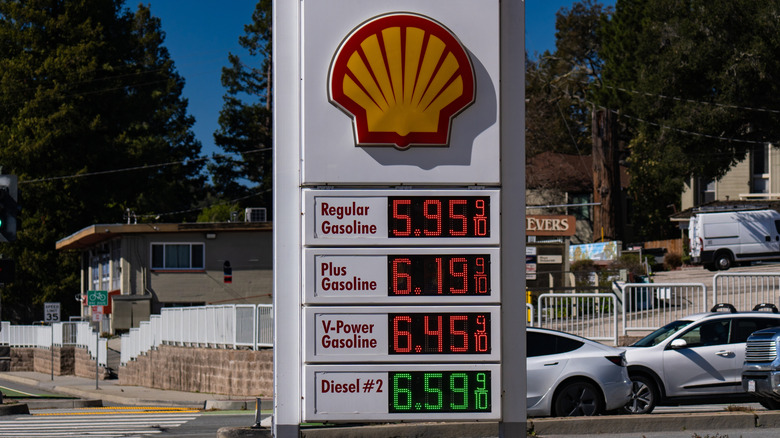
The cost of gasoline in the United States is approaching an all-time high, and inflation is pushing everyday expenses well out of the bounds of even the most perfectly-crafted monthly budget. But if you're an enthusiast, you probably drive something that sucks down gasoline like it's a thirty-pack of Pabst Blue Ribbon left unattended in the fridge at a frat house. The national average price for a gallon of regular grade has exploded this year, rising from just $2.89 in January to $4.53 as of this writing. Let's say your fun car gets 20 miles per gallon and your daily commute is about 24 miles. Just getting back and forth to work used to cost you $69.36 per month, but now clocking in is costing you $108.72. Something must be done!
Since it doesn't seem like gasoline prices will be dropping any time soon, you're better off taking public transit, riding a bicycle (or e-bike), or swapping your fun car for something boring that is more fuel efficient. If you're stuck with your car for financial, personal, or sentimental reasons, though, you may need to make some modifications to your car and your driving style to keep under budget. Thankfully, it's definitely possible to achieve around 35% better fuel economy with some effort and dedication.
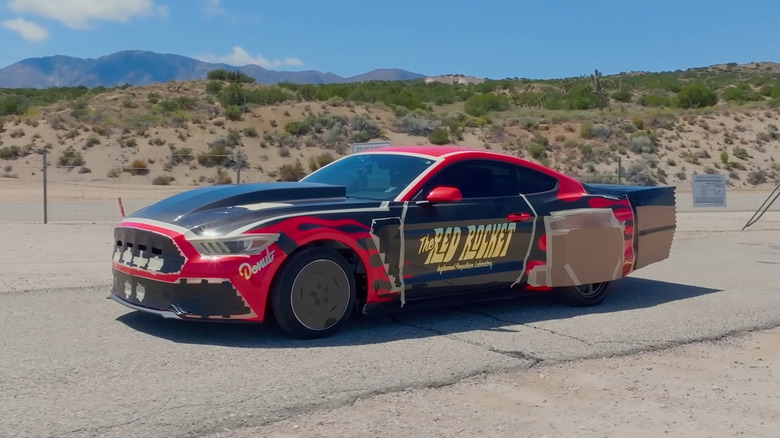
Take, for example, Donut Media's recent attempt to achieve 100 miles per gallon from a 600-horsepower, drag racing Ford Mustang. If you don't want to watch the full 14-minute video, I'll give you a quick recap of the basics: The test is a pretty simple examination of car condition, driving style, and aerodynamics on fuel economy. The car in question is in pretty good shape as it's relatively new. It's already modified for power, so you can rest assured that it already has an intake and exhaust to improve engine airflow.
What can you do?
Starting from the worst-case scenario of driving aggressively in sport mode with the windows down on the highway, with the air conditioning on, and the tires set to a performance PSI level, the Mustang returns 18.5 miles per gallon. By switching to a gentle driving style, pumping up the tires, turning the A/C off, and keeping the windows up, the car's economy went up to 24.3 MPG. If you haven't checked your tire pressures in a while, that alone could be costing you a lot of money at the pump. The difference between getting 18.5 and 24.3 mpg is nearly enough to make up for the higher cost of gasoline these days.
If you want to make a difference in your fuel economy without spending a bunch of time and money on it, start with the simple stuff. You can remove excess weight from your car by pulling out any trash or extra stuff you have been meaning to take out of the trunk since last summer. Drive slower and with less aggressive throttle input.
If you want to take things to the next level, do these things. Working with former Jalopnik contributor Superfast Matt, the Donut guys had some computational fluid dynamics work done to examine where the Mustang's aerodynamic issues come into play. For this more aggressive foray into hypermiling, they put the Mustang on a skinnier set of wheels and lower rolling resistance tires with aero wheel covers as a start. They lower the car, and also tape off the front grille and build a pretty extreme long-tail to help smooth out the turbulent air coming off the back of the car at speed. These are more aggressive steps than the average driver is willing to take, but the best way to prove a point is to overdo it. This time, they managed to return 27.1 miles per gallon from the thirsty Mustang.
It's all about the driving habits
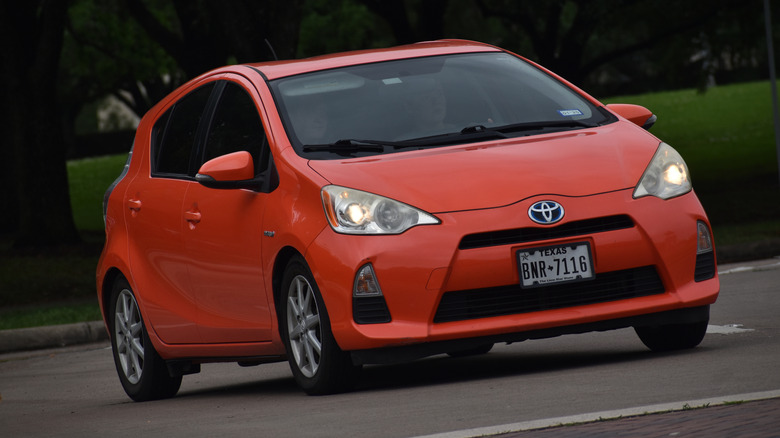
On top of changes to aero and rolling resistance, driving habits play a big role in increasing fuel economy. Most modern vehicles have instantaneous fuel consumption readouts on the dashboard, and you can use your instant MPG number to gamify your driving. If you're always trying to beat your high score, you'll be getting better fuel mileage just by learning how to drive with better inputs. According to Nissan's internal testing, having your fuel economy numbers readily available for the driver can improve fuel economy by as much as 10% on its own. You can learn, for example, the pulse and glide method of economic driving, which involves kicking your car into neutral to reduce engine loads. This is best used when you're alone on the road, however, as it'll really irritate people in traffic.
One tactic that I have employed for my entire driving career is to begin coasting as soon as you see a yellow light from a traffic signal. There's no point in wasting fuel (and brakes) by accelerating toward your eventual stopping point. The best way to drive for fuel economy is to pretend you don't have to use the brakes unless they're absolutely necessary. Try coasting and only accelerating as much as you need to in order to make your next turn. Unnecessary braking is just throwing away energy that you'll have to burn again to regain speed.
If you're exceptionally mechanically minded, you might even be able to adapt a hybrid system to your previously non-hybrid car. There are a handful of systems available on the market today that can bolt into your transmission bellhousing to provide a little extra boost, or you can program your own Belted Alternator Starter hybrid unit, similar to the system General Motors used for some of its early hybrids during the last economic crisis. It won't turn your big V8 into a Prius overnight, but it could result in a significant reduction in gas burn.