

Is Landfill Methane Or Car CO2 Worse For Climate Change?
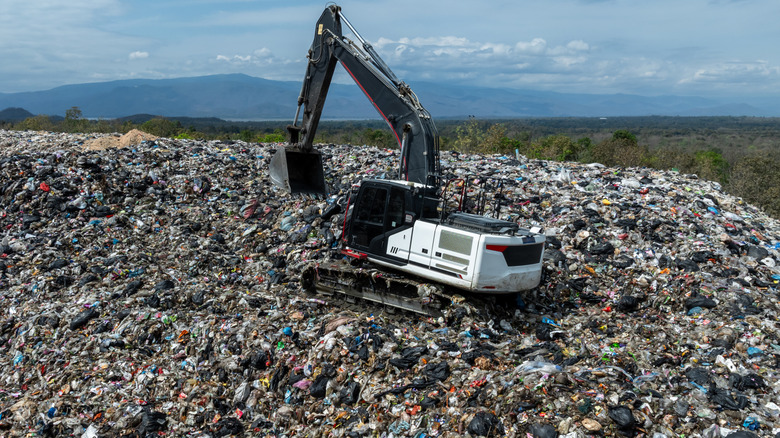
The EPA reports that the transportation sector is responsible for releasing more greenhouse gases into the environment than any other source. So, because CO2 is by far the most common of those greenhouse gases, it can make sense to focus on reducing vehicle CO2 emissions to help slow climate warning –- even if the agency no longer believes those gases to be bad for humans. But some scientists are beginning to realize that methane, such as that produced by landfills, can be even more damaging for global warming.
As a refresher, one key objective during the current climate crisis has been to limit the global increase in temperature to 1.5 degrees Celsius (2.7 degrees Fahrenheit) long-term, and reduce greenhouse gases by 43% by 2030. This is a relatively short-term deadline, and methane, as we'll explain shortly, is much more of a short-term contributor to greenhouse gases than CO2.
It's also worth pointing out that, even though the biggest single contributor to methane emissions is indeed a landfill — specifically, one located near Santiago, Chile, that produces approximately 100,000 metric tons each year –- there are other major methane makers as well. The gas is a byproduct of the coal, natural gas, petroleum, and agriculture industries, with one cow alone emitting up to 264 pounds of methane annually. That said, that doesn't mean you should follow the lead of the British police, who deliberately rammed a cow off the road with a pickup truck.
The science behind the methane vs. CO2 comparison
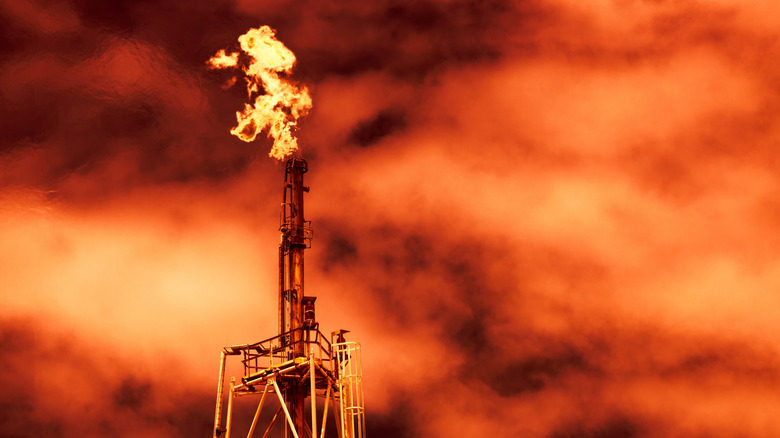
The basic issue here is that methane is much better at trapping heat than CO2, but it doesn't last as long in the atmosphere. As an example, let's say you simultaneously released the same amounts of methane and CO2 into the environment. Initially, the former can trap about 100 times more heat than the latter. The flipside to this is that methane begins breaking down more quickly than carbon dioxide. In other words, its heat-trapping effect won't last as long — yet it will take a significant amount of time before the amount of heat trapped by CO2 catches up to that of methane.
In the two decades after both gases were released, the original amount of methane will have trapped 80 times the heat of the original amount of CO2. You can go 100 years into the future and the original methane will still have been responsible for trapping 28 times the amount of heat as the CO2.
Plus, new research shows that increasing hydrogen in the atmosphere makes methane matters worse. The hydrogen itself isn't directly the issue, but it destroys other methane-cleaning chemicals in the atmosphere, allowing the methane to last longer. Then, in a depressing twist of fate, it turns out that one of the top sources for the increased amount of hydrogen in the atmosphere are the rising methane levels there, since it actually breaks down into hydrogen, paving the way for more damage when more methane is released. It's like humanity just can't win with alternative fuels.