

How Long Do Lawn Mower Engines Typically Last?
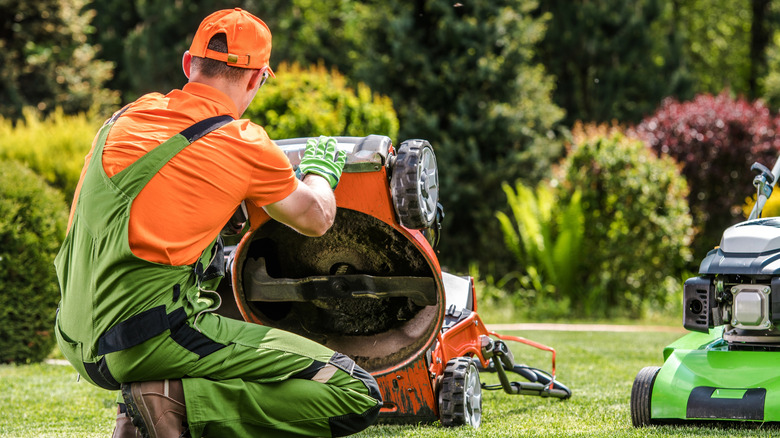
Growing up, we all had that one neighbor with a 1988 Craftsman lawn mower that looked like it was salvaged from a shipwreck but still fires up on the first pull before settling into the perfect idle. In an era where your smartphone starts dying the moment the next model hits the shelves, one can't help but wonder how long a lawn mower can go before kicking the bucket. Is there a literal expiration date on these mechanical workhorses?
When it comes to cars, we talk in miles. In the world of lawn mowers, the language is hours. Because your mower spends its entire life under the constant load of cutting through miles of grass, the clock is the only metric that matters here. If you are looking at a standard residential walk-behind mower with a basic splash-lubricated engine, you can expect a lifespan of roughly 500 to 1,000 hours. For the average homeowner who spends around 30 hours a year cutting grass, a mower could theoretically last up to 30 years. In reality, the lifespan of a basic lawn mower is around 10 years.
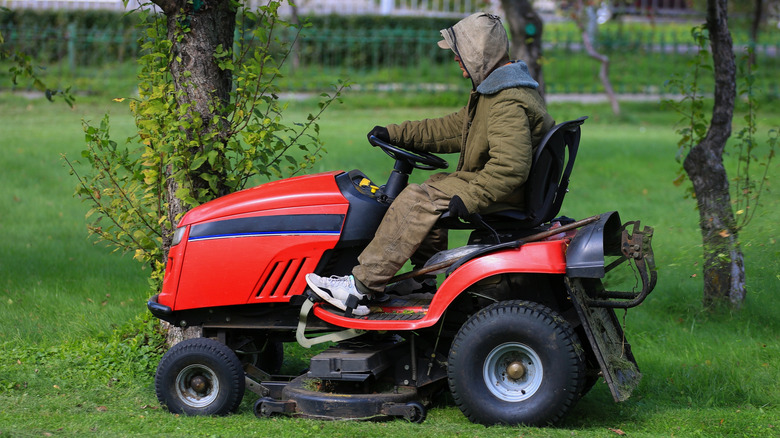
The numbers change once you move to riding mowers and garden tractors. A high-quality residential riding mower is typically expected to provide between 1,000 and 1,500 hours of service. If you go the premium route — with heavy-duty liquid-cooled powerplants or commercial-grade units from manufacturers like Kawasaki or Kubota — the numbers can go up to 2,000 or even 4,000 hours. For example, the high-end diesel Kubota tractors can surpass the 5,000-hour mark.
What you need to know about lawn mower longevity
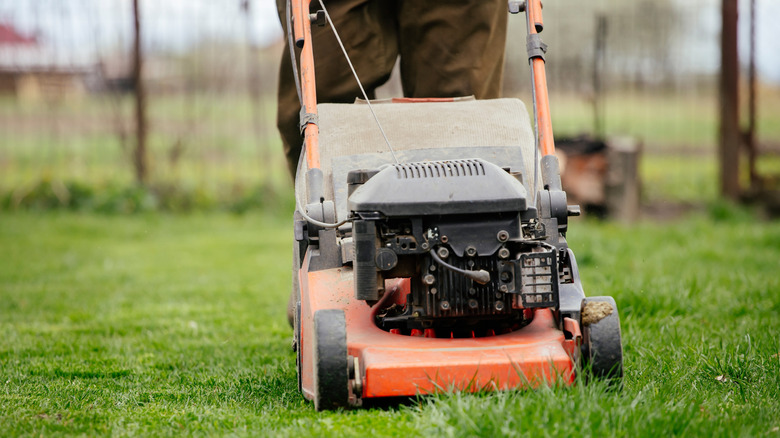
The engine's longevity depends on what's going on inside the lawn mower. The biggest differentiator is the lubrication system. Cheap, entry-level engines often use splash lubrication, where a little plastic flinger or a dipper on the connecting rod splashes oil around the crankcase. It is a cheap and simple system, but not an efficient one, especially if you are mowing on a slope where the oil pools to one side, leaving the other dry. Premium engines utilize full-pressure lubrication. These systems have an actual oil pump and oil filter, just like your car. These ensure that critical parts of your engine, like the main bearing, remain lubricated by pressurized oil.
Then there is the cooling. Most lawn mowers are air-cooled, relying on fins and a flywheel fan to shed heat. If those fins get clogged with dried grass clippings, the engine temperature skyrockets, thinning the oil and damaging the seals. Liquid-cooled engines are more expensive but provide a much more stable operating environment, resulting in a lifespan superior to that of an air-cooled engine. Electric lawn mowers have none of these problems, which is good news considering companies like Home Depot want to phase out gas-powered lawn equipment. However, compared to gas or diesel mowers, electric lawn mowers have a shorter lifespan, mainly due to their batteries.
Extending your lawn mower's liefspan
If you want your lawn mower to become a family heirloom, you have to treat it like a machine, not an appliance. A bit of regular maintenance goes a long way. While basic lawn mower checks are a good place to start, here are a few tips to keep your lawn mower running well for a long time.
Change the oil religiously. Small lawn mower engines do not have massive oil capacities like your truck. The manufacturer-recommended oil change interval is typically 50 hours or once a season, whichever comes first. Fresh oil isn't just about lubrication — it's also about removing contaminants and debris. If your mower has an oil filter, change it along with your oil.
Modern ethanol-blended gasoline is hard on small engines. Ethanol attracts water and, over time, turns into a corrosive gum that damages carburetors and fuel lines. Use ethanol-free fuel if you can find it. If you can't, use a fuel stabilizer, especially before you tuck the mower away for the winter. If your air filter is choked with dust and debris, the engine runs rich, leading to carbon buildup on the valves and spark plugs. Check and clean the air filter after every 25 to 50 hours. If it's paper, replace it. If it's foam, wash it in soapy water and let it dry.
Sharpen your blades. A dull blade forces the engine to work harder to cut the same amount of grass. This puts unnecessary stress on the crankshaft and increases the operating temperature. These maintenance tips should do the trick, unless you end up owning one of those crazy Kiwi racing lawn mowers.