

Here's How To Drive If Your Clutch Pedal Fails
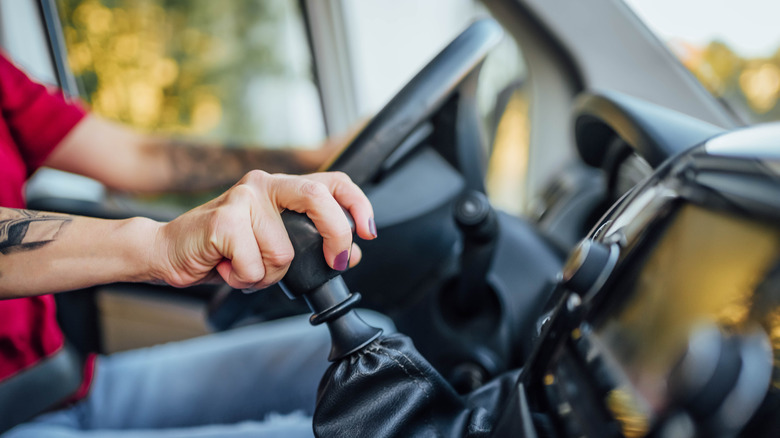
This is quite a possible scenario if you drive a manual. The clutch pedal has let go; it could be due to a snapped clutch cable or a leaky slave cylinder. Now you could wait hours for a tow truck to arrive, or you could take matters into your own hands. You could technically drive your car even without a clutch, or at least limp it to the nearest workshop.
A tricky part of driving without a clutch is getting the car to move in the first place. You can use the starter motor to as a temporary low-speed EV drive unit to both start your car and get moving. First, ensure the coast is clear. Switch the engine off, and slot the gear lever into first. Now, turn the key and hold it, causing your car to buck and lurch like a bronco.
This is the starter motor dragging the car forward while simultaneously trying to fire the cylinders. Make use of the throttle, and as soon as the engine starts, let go of the key. The car will smoothly start moving in first gear. Newer cars come with clutch safety switches, and for those, you have to press the failed clutch pedal to the floor to trick the car into believing that you are safely using the clutch.
The art of clutchless shifting on the fly
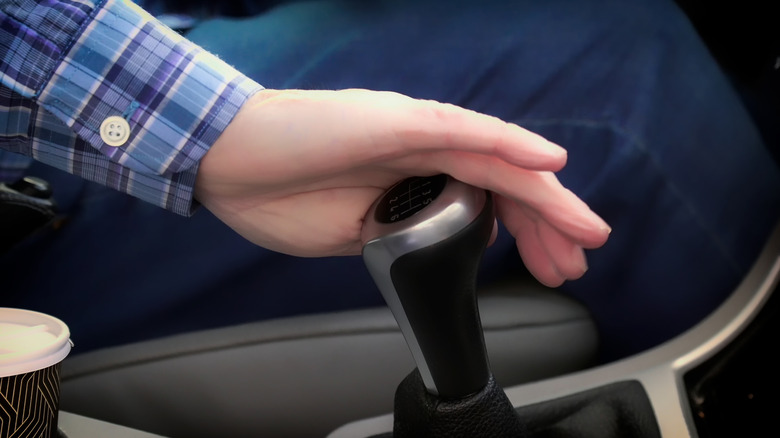
Once you have started moving, you have won part of the battle. Unless you have a dog box transmission, you will have to figure out a way to shift gears without a clutch. When you are accelerating or decelerating, the gears in your car gearbox mesh tightly together. With load, the shifter will be unwilling to shift to the next gear. You now need to keep the car moving by shifting from first to second.
The following process might feel similar to power shifting, or speed shifting. To upshift, accelerate in first gear, then gently pull the shifter into neutral while easing off the gas. This will unload the transmission. You will feel a sweet spot where the gears and shaft align and the load disappears, and the lever will slide out of gear as smoothly as butter. Now, to get into second, as soon as the revs drop, hold the shifter against the gate for second gear with light pressure. As the engine rpm falls to match the speed of the next gear, the shifter will simply fall into place.
If you miss the window and the revs drop too low, a tiny push of the throttle should get the revs up and let you try again. Shifting up is the easy part, because letting go of the throttle naturally drops revs down to your next gearshift window. You'll have to be gentle about it; forcing a gear will result in the expensive crunch noise of metal gear teeth grinding.
Downshifting and getting it to stop
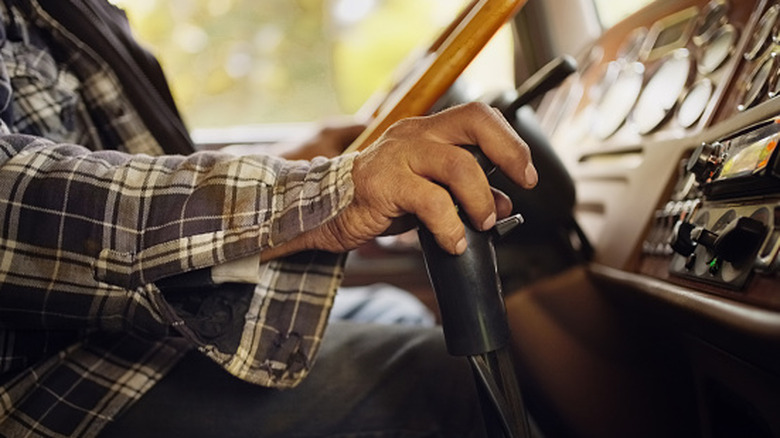
Downshifting without a clutch will test your experience behind the wheel. Since a lower gear requires higher rpm for the same road speed, you can't wait for the revs to fall. In fact, it's the opposite. When you need to drop from third to second gear, pull the lever into neutral. Now use the throttle just enough to get your revs up. As the revs are climbing, push the lever toward the lower gear. If you time it right, the gearbox will smoothly slot into a lower gear. You also have to ensure that you don't end up money shifting into an expensive repair bill.
The biggest challenge with driving a manual without a clutch isn't just the shifting — it's the planning ahead. Driving without a clutch means you can't do an emergency stop unless you're willing to kill the engine and restart the "lurching" process. This turns your drive into a high-stakes game of avoiding coming to a complete stop. You'll find yourself driving at five mph just 100 yards from a red light, praying for it to turn green.
If you absolutely must stop, knock the gear lever into neutral and use your brakes. When you reach your destination, ideally your driveway or a shop, just find a spot and kill the ignition. Congratulations, you just saved $200 on towing fees, and you also have a story for your friends at the next meetup.