

Are Immobilizers Effective At Preventing Car Thefts?
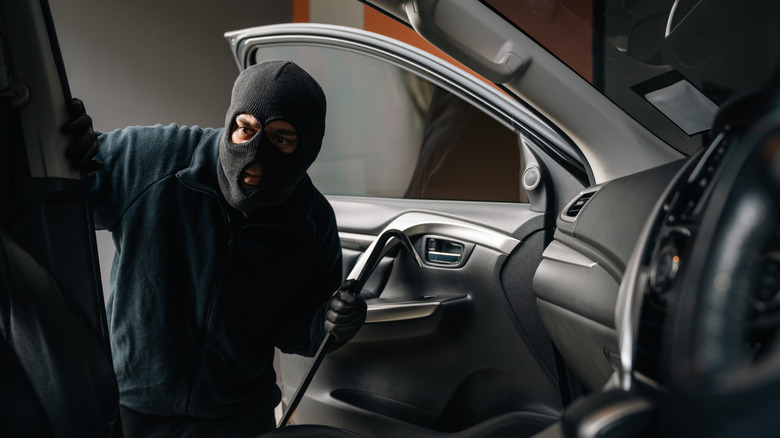
Yes, immobilizers absolutely prevent car thefts. Just ask the Kia Boyz — or one of the many Kia owners who had their vehicles stolen by them. The problem began when someone discovered that many Kia products were being sold without immobilizers, leading to a rash of thefts that took advantage of the missing technology. Even a reporter investigating the situation had her own Kia Forte stolen. Yet when Kia rolled out a software-based fix for the issue, essentially equipping vehicles with immobilizer technology after the fact, theft rates for the vehicles plunged.
According to the non-profit Highway Loss Data Institute (HLDI), Kia models that received the update had 53% fewer insurance claims involving theft than those that didn't. That number was for all claims related to the theft, including those for stolen parts and/or property stolen from inside the vehicle. Looking purely at "whole vehicle theft," there were 64% fewer claims in updated cars compared to their unfixed counterparts. And the HLDI data builds on an even more extensive study from the Security Journal. The journal's experts looked at the rate of U.S. car thefts from 1990 to 2020, discovering a massive 80% drop – which they directly attributed to the rise of the engine immobilizer.
Now, the Kia business brought out plenty of lawsuits, with the eventual settlement mandating that all Kia and Hyundai vehicles had to be equipped with standard immobilizers going forward. On the other hand, there are no national laws requiring all automakers to include them — as there are in Canada, Australia, and the EU, for instance. It's possible that the whole Kia theft crisis could have been prevented if there were.
How engine immobilizers work and when they don't
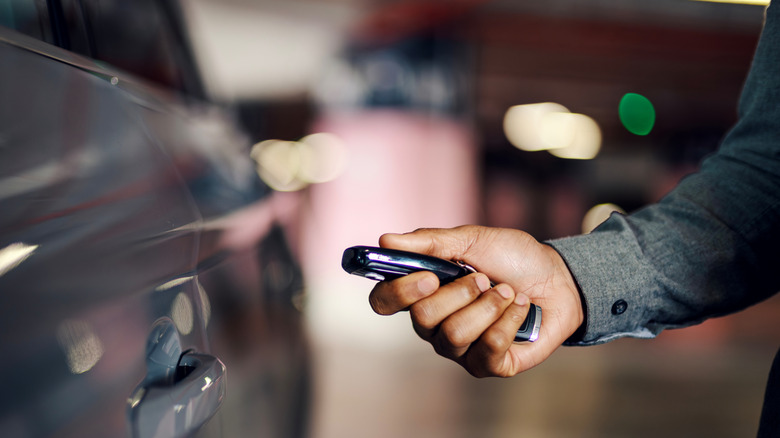
When you put in the ignition key and turn, you're basically completing an electrical circuit between the battery and the starter, so the latter gets powered by the former. This makes it easy to "hotwire" a car because you only need to complete that circuit another way, like simply connecting the right wires to bypass the key. An immobilizer adds a fail-safe mechanism into the mix, so merely connecting some wires isn't enough to close the circuit. A separate electronic transponder, generally incorporated into the key, also has to be recognized by the system for the juice to flow.
The concept first came to prominence when GM premiered its Vehicle Anti-Theft System (VATS) on the 1986 Chevrolet Corvette, complete with a resistor integrated into the key. When the key was turned in the ignition, the amount of current that got past the resistor was also measured. Even with the circuit completed, the car would only start when that current was at the correct level.
Modern push-button start systems, however, face their own problems. In fact, now there's evidence that, after helping matters in their first years on the market, keyless car theft is on the rise. The key flaw, so to speak, comes from how bad actors can intercept your key fob's signal, clone it, and then use the faked signal to fool your car's security system. The good news is that there are still ways to use immobilizers to fight back.
How to protect your car from being stolen, even with an immobilizer
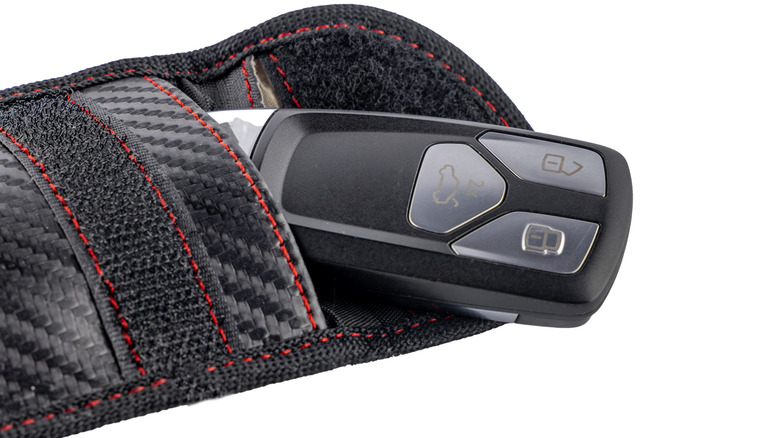
As the car-theft arms race continues, automakers continue to upgrade their security, as well. For example, you can look to keyless systems with built-in motion sensors. Companies such as Audi, BMW, Ford, and Mercedes-Benz go this route, which turns off the key fob signal when it hasn't been moving around for a certain amount of time. This prevents thieves from having the tools to disengage the immobilizer.
Meanwhile, Jaguar is among the brands boasting about Ultra Wideband (UWB) signal technology in its key fobs. There's some high-level physics going on, but the bottom line is that UWB's enhanced accuracy makes it easier for the system to determine just where the key fob really is. This keeps the immobilizer working if that data doesn't match up with how long it takes for the signal to arrive. So, yes, immobilizers can remain effective today, even with new methods of bypassing them being discovered. But tomorrow's thieves will only get smarter, and immobilizers will have to do the same thing to stay relevant.