

Is There A Difference Between Big Truck Engine Coolant And Car Engine Coolant?
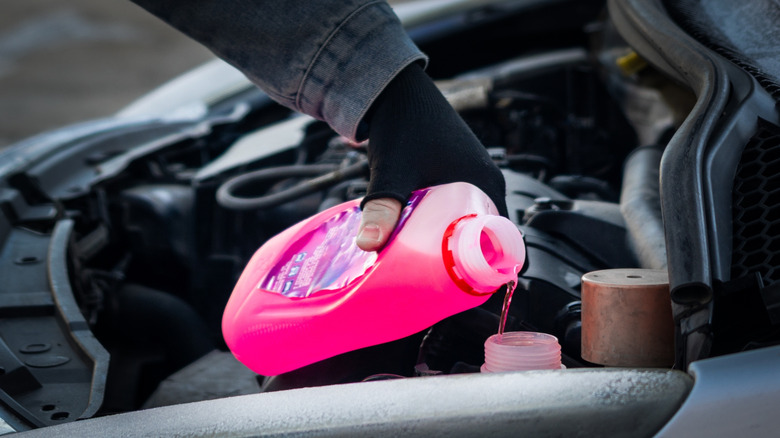
There are many differences between passenger-car engines and big-truck motors, but there's really only one major difference between their coolants: the additives packages. That's mostly a result of the differences between heavy-duty diesel engines and all the rest.
That's because those bigger diesels are at risk of cavitation. To help solve overheating problems and make it easier to service these vehicles, engineers developed wet cylinder sleeve liners, which allow coolant to flow between the cylinders bored into the block and the liners. It works, but the liners can vibrate, causing tiny bubbles to form in the coolant (cavitation). Those bubbles may be small, but they can implode with enough force to damage the metal of the liners. With that in mind, a type of additive is added to wet-sleeve engines to inhibit cavitation damage by creating a strong physical barrier on the metal. Most car engines, and most HD passenger gas and diesel engines, don't have wet-sleeve liners. So, they don't need cavitation protection. That said, as we talked about when we explained sleeving an engine block, the setup is popular with aftermarket tuners. You can find wet-sleeve liners in the occasional old Rolls-Royce, too, like that Silver Spirit we saw get hucked around The Nürburgring.
Anti-cavitation protection is so important that you should avoid using standard coolant in an engine that needs it. You can use the special coolant in regular cars, though, because the cavitation protection doesn't harm the motor.
Detailed differences between HD pickup coolant and light-duty car coolant
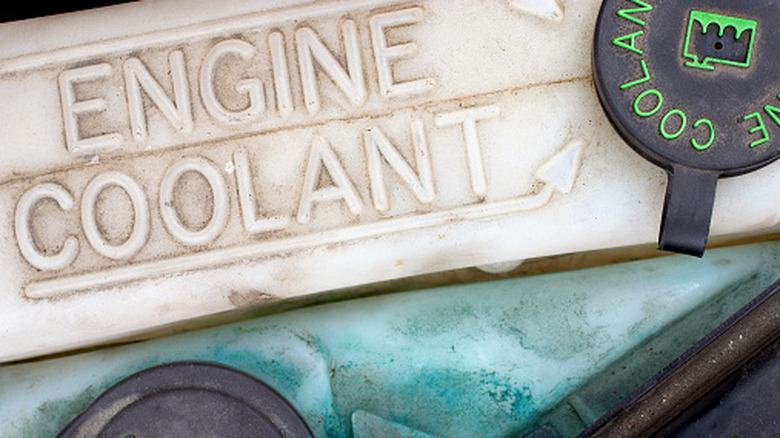
As mentioned, many coolant additives are the same, regardless of whether the coolant is used for a big truck or a passenger vehicle. Both have anti-corrosives, pH balancers, and anti-foaming agents, for example. Yet, there can also be differences in how the same coolant performs in the different vehicles.
A case in point is extended life coolant (ELC) that's specifically engineered to last longer than typical coolants. To be sure, ELCs can be used in a wide variety of engines, including those powered by gasoline, diesel, and natural gas, as well as in light-, medium-, and heavy-duty applications that are part of this definitive truck hierarchy. However, while an ELC can last up to 600,000 miles/12,000 hours for most commercial vehicles — and go twice as long in Class 8 trucks — it's limited to 150,000 miles or 6 years in light-duty rides.
A key reason behind this is that big truck engines are typically kept at a fairly continuous level of rpm, such as when towing a heavy load on the highway. Light-duty vehicles go through more starting and stopping. The result is that the passenger motors constantly go up and down in temperature, and that kind of thermal cycling breaks down the coolant quicker than if the engine is in a steady state of operation.