

Can You 3D Print Gaskets That Actually Work?
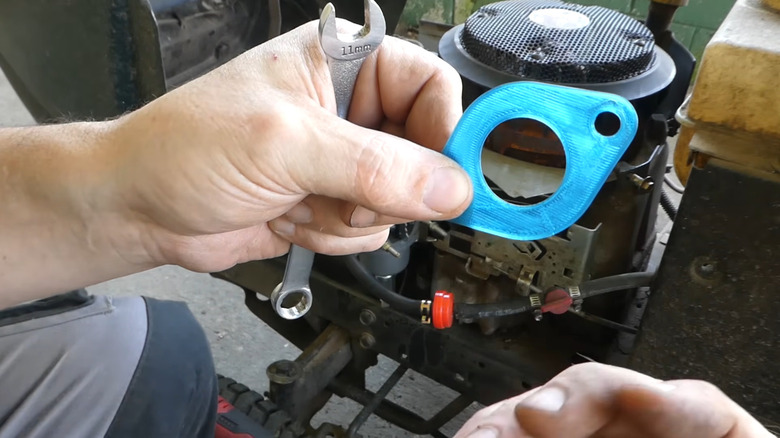
So you're working on some old project car, something that was tough to find parts for back in its day and is nearly impossible now, when you find you need to replace a gasket. Damn. Your eyes drift to your 3D printer, complete with a shiny new spool of TPU filament, and you start to wonder — could you just print a replacement? Well, here's your answer: It's complicated.
The answer depends on what kind of gasket you need to replace — different gaskets face different conditions, and some are better suited for 3D-printed replacement than others. But TPU filament, flexible thermoplastic urethane, can actually be used to create new gaskets for some parts of an engine. You just have to keep in mind the temperatures and pressures at play, and make sure you're operating within the limits of the material. No head gaskets, but you may well get a valve cover, water pump, or oil pan gasket to work.
Nothing too hot or high pressure
The material properties of 3D printed parts obviously vary based on how well they're printed, but we'll assume your printer is dialed in as well as it can be. Other testers have shown that TPU can hold up to materials like oil and gasoline (though how well it would work under long-term testing remains unclear), but there are other hazards in an engine. With TPU, you're looking at a pressure holding capacity of around 80 PSI, and maximum sustained temperatures of about 240 degrees Fahrenheit — enough that you can actually print some gaskets.
Water pump gaskets are likely okay, with water pumps pushing far lower pressures than TPU can withstand. Valve cover gaskets are also likely to be safe, though forced-induction vehicles with higher crankcase pressure may want to beware. Oil pan gaskets will depend on your model, with some cars pushing temperatures right up to the point where TPU will start to degrade — check your oil temperatures before you start printing. Oil pump gaskets, though, aren't recommended. Running oil pressures and temperatures should generally be within safe limits if your car is running right (and isn't a track toy), but cold start pressures can exceed what TPU can tolerate.
If you're working with a lower-pressure, lower-temperature gasket like a water pump or valve cover, you're probably safe replacing it with a printed TPU version. For anything hot or high pressure, though, stick to proper gasket material. Even if you have to cut it out yourself, it beats losing an engine.