

IndyCar Is Rushing To Replace Its 14-Year-Old Dallara Chassis
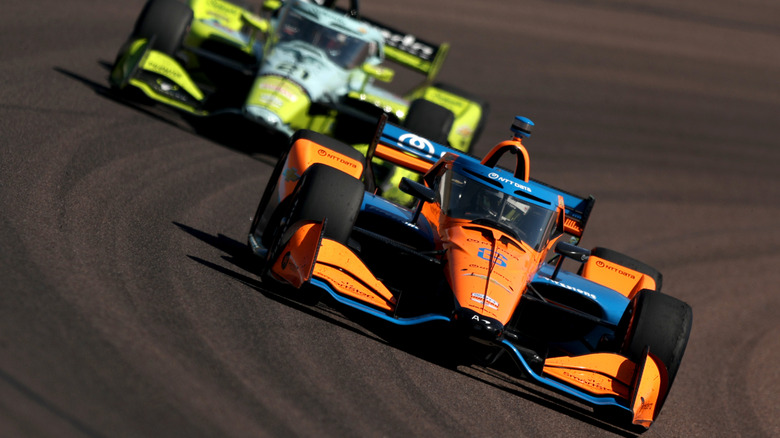
When the Dallara DW12 chassis arrived on the scene for the 2012 IndyCar season, it was a godsend. The old IR-05 was seen as practically vintage, and comparatively unsafe, having served seven seasons in the series. At the time that was impossibly old for a race car, and the teams, drivers, and fans were calling for a change to be made. That chassis, now twice as old as the IR-05 when it was called a relic, is still in play today. It is well past time for a new IndyCar chassis, and growing interest in the series is making key stakeholders antsy to get started. Dallara has been supplying chassis to IndyCar for 31 seasons now, and built a factory in Indianapolis specifically for this, so it makes sense they're ready to supply the next one as well.
The series has looked to replace it for nearly a decade now, but pandemic losses and series stability pushed that off for a few years. Most recently the series delayed its replacement from 2027 to 2028 because manufacturers Honda and Chevrolet couldn't build enough new engines in time. Having had enough of waiting, the series will move forward, at least temporarily, with developing the new chassis using the current engine and hybrid system, reports Racer Magazine.
IndyCar has put forth plans to start testing prototypes of the new Dallara-built IR28 chassis this summer. The series hasn't yet finalized the 2028 engine regulations, however, so it'll roll onward using the current-spec 2.2-liter turbocharged V6 engines and 100 horsepower Mahle-supplied ERS hybrid boost units. IndyCar, Honda, and General Motors (and as-yet-unnamed additional potential manufacturers) have not yet decided on the exact drivetrain specifications for the 2028 season, which are rumored to include at least twice as much hybrid power and up to 900 system horsepower hitting the rear wheels. It's getting down to the wire on developing that engine regulation, especially as testing kicks off. They're going to need those engines sharpish.
What do we know about the 2028 IndyCar chassis?
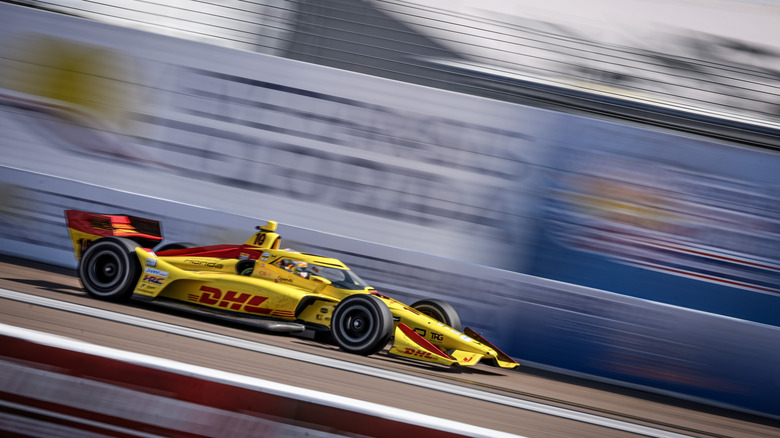
The current IndyCar engine platform makes in the region of 750 horsepower at full boost, so adding a potential extra 150 ponies to that total would make for some exciting and spectacular speeds, especially at the Indianapolis 500. This could raise some safety concerns, so the new chassis will need to be even safer and more robust than the one it replaces. Making the car look a little aesthetically pleasing, preferably slightly smaller, and measurably lighter than the DW12 should also be priorities, in that order, I think.
"We've had very regular meetings, both virtually and in person, at basically every event this year," IndyCar president Doug Boles told Racer. "Honda and Chevrolet and the series are aligned on the importance of getting those rules decided quickly. And I feel really good about the progress and the collaborative spirit of both Honda and Chevrolet to get us there.
I can't give an exact timeline, but it's getting closer and they've been really fruitful conversations. And even talking separately with Honda or Chevy, both of them are very happy with the collaborative nature of the process."
This summer's chassis tests will be simple validation tests so that Dallara can begin large-scale production of the carbon composite components ahead of their 2028 debut. Things like aerodynamic components, suspension arms, and center tubs will be proven in these tests. The series will plug in the current drivetrain, or potentially one of the more powerful stillborn 2.4-liter mills planned and then scrapped for the 2023 season. I look forward to seeing the new car on track, even without the next-generation drivetrain.