

The Biggest Pros And Cons Of GM's Vortec Engines
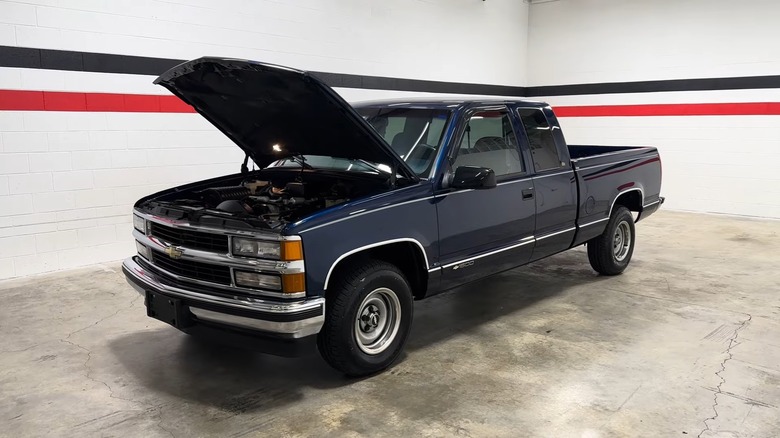
In their later years, Vortec engines have fallen victim to some downsides, like Active Fuel Management, an aggressive thirst for oil, and engine knocking. But back when they were brand-new, these engines were praised for their high-flow cylinder heads, reliable service, and good fuel economy. The mid-'80s saw the release of the 4.3-liter Vortec V6, which became an instant favorite among owners of General Motors' small pickups. Its name comes from its unique vortex technology, which causes the air inside the combustion chamber to whirl around in a circular motion. While the 4.3-liter released in 1985 used this technology, the official line of Vortec engines wouldn't appear until the following decade.
Things would continue to evolve from there. Several iterations of the Vortec launched in the '90s, like V8 power plants such as the 5.0-liter and 5.7-liter. While initially outputting figures less than or equivalent to 200 horsepower, subsequent increases would enable an additional 50-or-so horses and about 20 pound-feet of torque. These engines shared a lot in common with another popular series, the LS — although there were some key differences between LS and Vortec engines, primarily regarding their usage and materials.
Commonly found in models like the Silverado and Sierra pickup trucks, GM's engine line was also prevalent in large SUVs such as the Suburban and Yukon, among others. The popular 5.3-liter block would arrive just before 2000 and would be followed by the massive 8.1-liter Vortec, which was a big-block answer to the V10s of competitors at the time. Ultimately, Vortec engines would be replaced with GM's more advanced EcoTec3, though they endured a multi-decade run.
So, what made Vortec a compelling engine?
Frequently praised for their dependable performance and lengthy service life, Vortec engines can still be found in force on today's roads. When asked about its advantages, one owner, mysterioushob0 on Reddit, explained, "[I] made 280k miles without any major issues on my 2003 Suburban ..." Other drivers have shared many similar Vortec owner sentiments. And when you combine these statements with its long-lasting production cycle, it's easy to conclude that Vortecs are reliable workhorses.
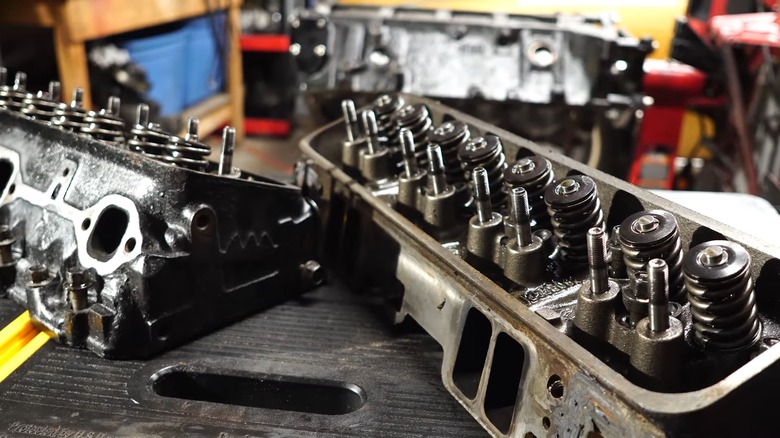
One of the contributors to this reliability lied in the foundation of its design. Essentially, Vortec engines built upon GM's already stellar small-block 350 design — with modifications, of course. Take the Vortec small-block cylinder head, for example, included on truck engines between '96 and 2000. Its enhanced intake and exhaust flow made it a sought-after swap for enthusiasts looking to add power. That's part of why many consider Chevy's late-90s Vortec heads to be a small-block secret weapon.
Beyond power and durability, one of the other reasons behind the V8 Vortec's development was to produce something more efficient. Corporate Average Fuel Economy rules were tightening, but GM knew it couldn't simply tune down engine output to meet the restrictions without drawing the ire of its customers. The vortex technology proved to be helpful in enabling more thorough combustion, which enhanced output delivery while also improving fuel economy.
The downsides to Vortec engines
While there were certainly some advantages to Vortec engines, not every aspect was praiseworthy, especially when certain technologies were introduced in the later 2000s. For instance, in 2007, Active Fuel Management (AFM) was introduced, only to fall victim to polarizing reception. It was meant to be a fuel-saving technology that worked by deactivating cylinders you weren't using, which unfortunately created consistent problems that harmed the engine itself. This led to many post-2007 Vortec owners to contemplate one of several aftermarket AFM delete kits, which sprung up for sale following negative consumer experiences with the technology.
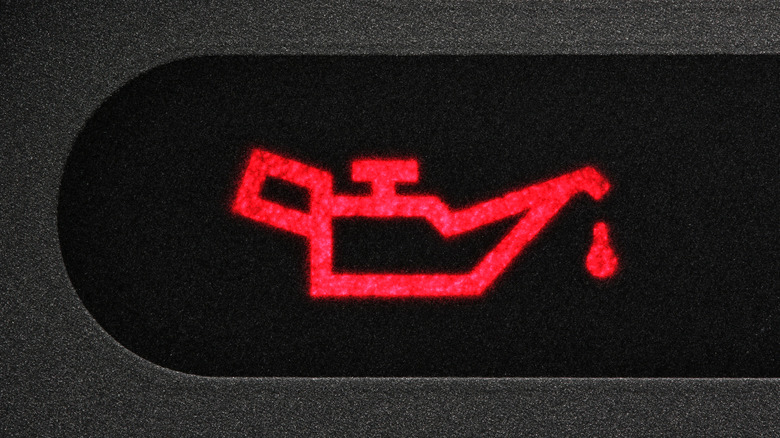
Among these issues, AFM could cause lifter noise, and the 5.3-liter Vortec was known to guzzle oil in excess to the point a lawsuit was levied against GM. According to the allegations, the AFM system was contributing to ring failure and allowing oil to enter places where it shouldn't go. Some Vortec variants also experienced knock, which is when combustion doesn't occur properly. While GM's engines did have sensors to help detect knock, many reports described the knock sensors failing, followed by noticeable performance deficiencies.