

96% Of Inspected New York City Gas Stations Are Lying About Octane Levels
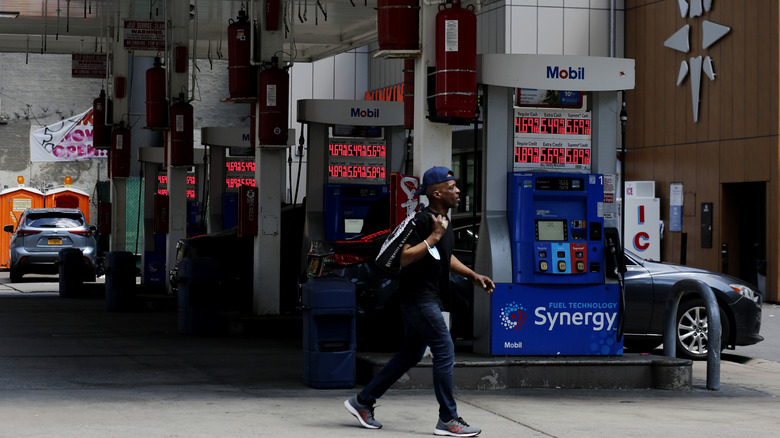
Living in New York City is expensive. Driving in New York City is even more expensive, and as it turns out, folks aren't even getting what they pay for most of the time. Apparently, gas stations all over the five boroughs have a nasty habit of mislabeling the octane level of the gas they're selling, and it's far from an isolated issue. As it turns out, just about every gas station in the city failed at least one inspection in the last two years that was conducted by the city's Department of Consumer and Worker Protection — mostly for not selling the correct grade of octane they were advertising.
Out of the 729 gas stations that were checked by NYC inspectors between mid-2023 and mid-2025, a whopping 702 failed tests for their octane, mid-grade gas blends or signage, according to The City, a local news outlet. That works out to 96.3% of all gas stations failing. Wowza. Data looked over by The City shows that failed octane samples led the list with 1,135 condemnations. When that happens, the individual pump is shut down until the problem is fixed. There were other violations as well for things like incorrect blends, bad diesel or displaying the wrong price, but those were small potatoes in comparison.
Why is this happening?
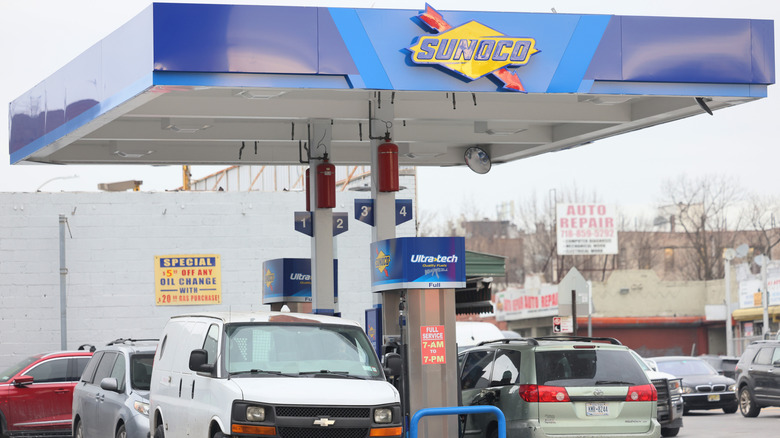
It's hard to know exactly what is leading to this wild phenomenon, because it's clearly more widespread than a few bad apples. It's more likely than not caused by station owners, either accidentally or intentionally, filling their unground tanks with the wrong products, but most seem to think it's more likely the latter, as The City explains:
"My theory is that whoever's operating this station is cheating and putting a lower-grade gas in the high-priced tank," said Porcelli, who has 63 Automotive Service Excellence certifications.
Robert Sinclair, Jr., senior public affairs manager for AAA Northeast, was unaware of the number of stations in the city receiving citations for incorrect octane levels. When informed by NYCity News Service, he said, "I think people should be getting what they pay for. That's why various government services exist — to make sure consumers aren't getting ripped off."
After all, it's not like octane levels change over time when they sit in those underground tanks, and there's a lot more money to be made from premium gas than regular. Currently, the average price of a gallon of regular gas sits at $2.99, according to AAA. Meanwhile, a gallon of premium will set a customer back $3.88. There's a lot of money to be made if you're willing to bilk people of their money.
People notice
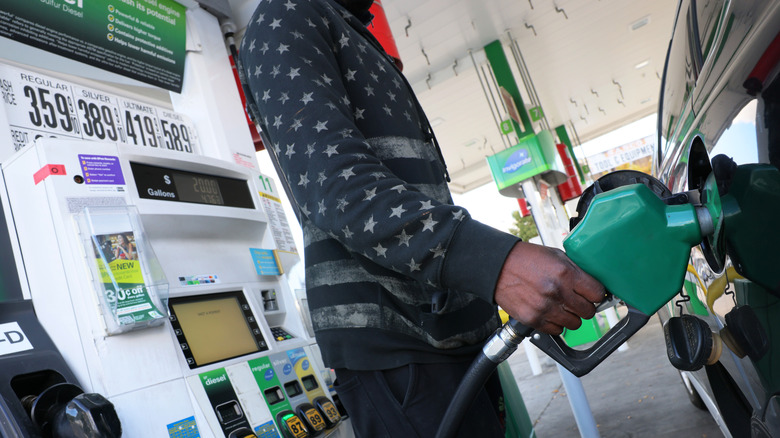
Drivers in the city — especially folks who drive ride-share vehicles and burn through a tank a day — can tell the difference. Drivers from the Independent Drivers Guild, a union of ride-share drivers headquartered in Astoria, Queens, told The City they can tell which stations have better gas than others. Some of them have even gotten check engine lights after filling up at certain stations and alleged that their cars started acting up and knocking.
"For seven years I rent the car. It's a Camry. I'm talking about a very strong car, 2018. It takes any gas for the engine. To tell you there is a problem that means that gas is very bad," said Majed Zegrar, a former driver and advocate for the driver's guild.
It makes sense: turbocharged and high-compression naturally aspirated engines are usually timed to be used with higher-octane fuels, according to Car and Driver. That means, when they get low-octane fuel, there's a greater possibility for detonation and knocking.