

Why This Microfiber Towel Shortcut Could Derail Your Detailing
We may receive a commission on purchases made from links.
You might not think highly of something as straightforward as a microfiber towel, but its efficiency in absorbing dust, dirt, wax residue, and water has made an incredible impact in automotive detailing. There are many types of microfiber towels for washing, drying, polishing, buffing, and general cleaning, but they all share a polyester and polyamide blend of synthetic fibers that are have a smaller size than the diameter of human hair. The ultra-fine strands are both highly absorbent and ultra-soft, making them a no-brainer for scratch-free washing, waxing, and detailing.
However, the highly absorbent and magnetic nature of microfiber makes it somewhat sensitive to poor handling and improper washing. For instance, we highly recommend grabbing a new towel after the one you're using to dry or buff the paint hits the ground, and you should repurpose the towel after using it to wipe off ceramic coatings. Insisting on not doing so isn't the end of the world, but it's good advice to prevent ruining and scratching the finish that you took hours to restore.
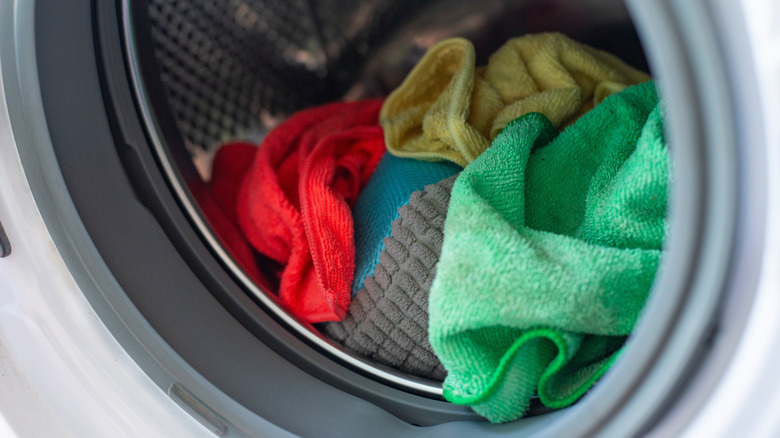
When it comes to washing your microfiber towels, there are two obvious choices: hand-washing or a machine wash. The latter is a shortcut that could be slowly ruining the strands of microfibers, which eventually will cause the towel to shed lint. If you're into waxing and detailing cars, those specks of lint on glass and paint can cause streaking and make a clean car look like it isn't clean at all.
Machine washing microfiber towels? Do it the right way
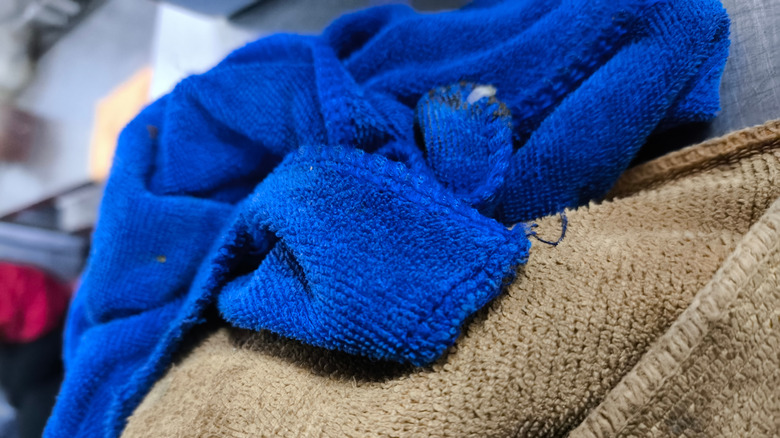
Understandably, not everyone is comfortable with hand-washing, since throwing towels in the machine and fiddling with buttons and knobs is easier. The trick is to use the right cleaning detergent and to only use cold or warm water. Just remember that polyester and polyamide fibers are thermoplastics and can melt in hot water.
When it comes to the cleaning agent, a concentrated pH-neutral and unscented laundry soap like the Whole Foods Market Unscented Laundry Detergent is preferable over dish soap or conventional laundry detergent. Those may contain dyes, bleach, or other harsh chemicals that can compromise or destroy the microfiber strands. Another good option is the Malco Microfiber Refresh, a heavy-duty cleaner that's also gentle — and made specifically for microfiber towels.
Regardless of which soap you choose, you should never wash microfiber towels together with other cotton fabrics or cloths to avoid lint. This might sound excessive, but you should also segregate dirty towels from the not-too-dirty ones and wash them in separate loads. Finally, avoid using fabric softener that will coat the fibers in a waxy substance and induce shedding or linting.
Air drying is best for microfiber towels
It's quite tempting to throw the towels in the dryer after washing, but there are a few precautions to consider. First, check the lint trap and get rid of whatever is stuck in there before drying. It's also a good idea to wipe the drum clean to remove any traces of cloth, lint, or contaminants from the previous load. Again, you should only dry microfiber with microfiber and avoid mixing in other fabrics.
Make sure you select the lowest heat possible, preferably a no-heat or air fluff setting if your machine has it. Once everything is set, put your microfiber towels inside and dry the load. Throwing your freshly washed towels in the dryer is easy as pie, but air drying is preferred to preserve the integrity of the fibers and prevent lint.
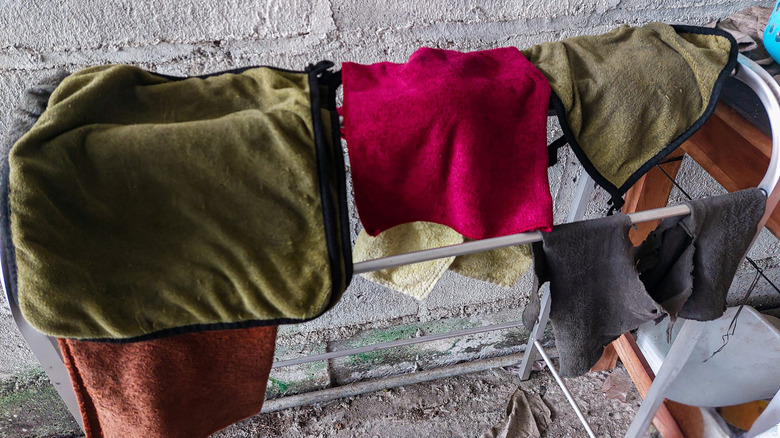
Hang each towel to dry on separate hangers, a clothesline, or a drying rack, preferably away from direct sunlight or dusty environments. Once they're all dry, place the towels in a zip lock bag and store them in a cool, dry place. At that point, they're all ready to go for the next waxing or cleaning session.