

What Is A Salvage Title Car And Why Is Buying One Essentially Gambling?
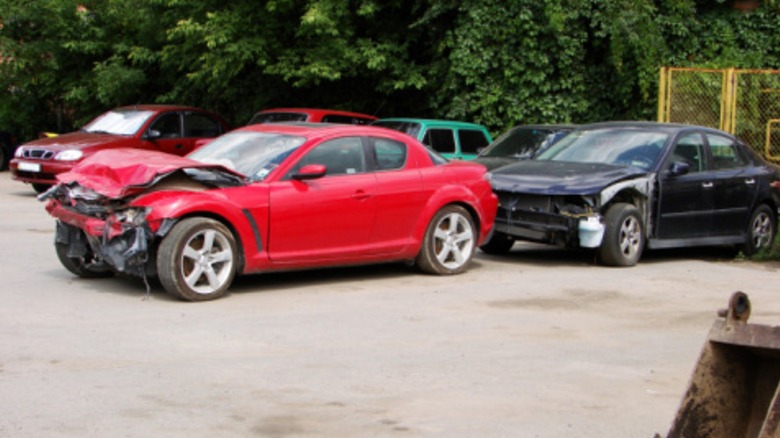
In the pre-pandemic days of early 2020, the average second-hand vehicle sold for about $20,500. Fast forward six years, and the number is closer to $27,000, per CarGurus. That 25% increase has led used-car shoppers to look for bargains, including salvage-title cars. The appeal is obvious. A title brand can result in a 20% to 40% lower resale value than a clean-title equivalent. Plus, many salvage-title cars can look perfect on the outside. Even car dealers are starting to get in on the action.
But there's a reason these vehicles have salvage status. Insurance companies have declared them a total loss due to accidents, floods, theft, or other damage. Buying one of these cars means dealing with a questionable history. It's also worth noting that salvage titles vary by state and the type of damage or incident. There's also a rebuilt salvage title indicating the vehicle has been restored and is legal to drive on public roads.
Regardless, the underlying issue with any salvage vehicle is uncertainty. You're betting that the trouble can be identified and repaired or that the damage has been fully corrected. This risk can affect safety, drivability, and resale value. You may also find difficulty financing or insuring the car.
What is a salvage title?
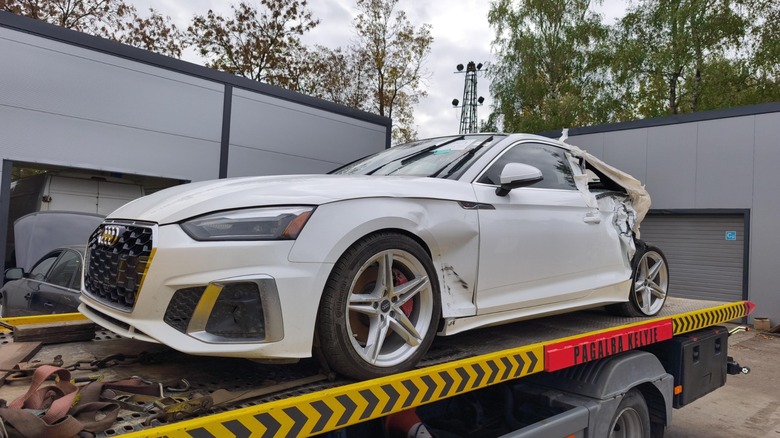
A salvage title is a designation issued by a state motor vehicle agency that a car has been damaged to the point where repairs are above a certain threshold related to the vehicle's value. That benchmark, typically around 75%, is set by the state. In practice, something happens to the car (like an accident) and the owner files an insurance claim. The insurance company determines that repairs cross that threshold and declares the vehicle a total loss. The company then pays the owner (or lender) for the car and takes possession. A salvage title is issued by the DMV, and the vehicle is often sold at auction (like Copart or IAA) to help the insurer recoup some of its losses.
Each state handles the salvage process differently, so it's not unusual for the precise terminology to vary. While some DMVs use the term "Salvage," others are more detailed about the cause behind the salvage designation. For example, Florida uses "Salvage Stolen." Unsurprisingly, Florida (and other states) also has a "Flood Damage" title brand that doesn't fall under the salvage banner, but requires equal caution. Some states use a "Totaled" category. Again, not a salvage classification, but just as serious. There's also a separate title category for rebuilt vehicles. Here's a breakdown of rebuilt and salvage titles.
There's no federal law that requires states to use the same terminology. However, the American Association of Motor Vehicle Administrators (AAMVA) publishes a list of standardized title brand codes as a guideline. These codes are also used by the National Motor Vehicle Title Information System (NMVTIS). NMVTIS is a federal clearinghouse run by the Department of Justice that collects state-level title information. When you run a Carfax report, title brand details are pulled from the NMVTIS database.
The risks of buying a salvage title car
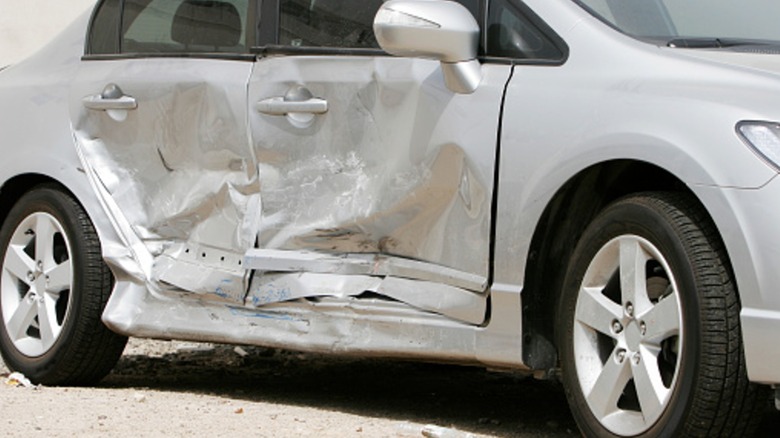
It's not that difficult to come across a wrecked car. A LexisNexis Risk Solutions report found that, in 2022, 27% of vehicles involved in accidents with a collision claim were declared totaled. Precise statistics on salvage cars are hard to pin down, but older data from the National Salvage Vehicle Reporting Program (NSVRP) indicates that 3.5 million vehicles annually make their way to salvage auctions (and some get a new life in overseas markets). While many of those cars are sold for parts, others end up back in consumers' hands. Copart, IAA, and other auctions are open to private buyers in some states (or buyers can go through a broker). Some are rebuilt, some are sold as-is or with minor fixes. A Facebook Marketplace search shows no shortage of opportunities.
The trade-off with a salvage-title car is not knowing the full extent of the damage. A clean-looking vehicle with a salvage title could have powertrain or electrical issues. An unrepaired car could have hidden damage that's only discovered midway through the restoration process. Even though rebuilt salvage title cars usually have to go through a specialized state inspection process before getting retitled and becoming street legal, there's still a possibility of some problems being overlooked or not repaired properly.
Then there are real-world considerations. It's common for banks to avoid financing a salvage-title vehicle because determining the collateral value can be difficult. Also, some insurance companies won't cover these cars or offer only basic liability coverage (no comprehensive or collision coverage). Finally, the upfront discount reduces resale value later—not everyone wants to buy a salvage-title car.