

Who Gets To Name New Roads?
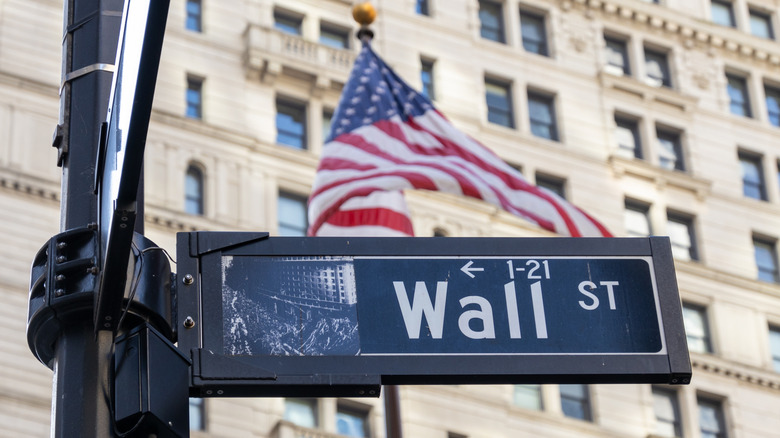
This is one of those questions you might get thrown your way one day by a young and curious child: who gets to decide our street names? There are plenty of practicalities to consider when deciding upon street names, so it's not something to be taken lightly. Ultimately, on top of street names needing to avoid offense and ridicule, they have to be clear and not confusing for emergency services. Seven "Smith Streets" in one neighborhood, for example, would be a nightmare. Ideally, the names should also serve a positive community purpose.
So, you want your street names being decided by someone — or a group — with some great common sense. As it happens, the folks who choose our road names are developers and officials with the neighborhood's best interests at heart, and that's why you rarely see a street name that's offensive, easily ridiculed, or confusing for road users. (Granted, America does still have its fair share of terrible road names, but they're far from common.) But just because officials decide upon the best road name, that doesn't necessarily mean that they're the ones brainstorming them. The rules aren't always the same from area to area, and the regulations aren't set in stone, either.
Local governments get the final say

There's no secret road-naming squad traveling the country and coming up with the perfect names for each street or avenue. Instead, your local government will typically have the final say, particularly local councils and city planning departments. The road names those groups decide upon will be different enough from those surrounding it, allowing road users and emergency services to navigate them with ease. They can also select names which celebrate outstanding members of society on a local or national level.
For example, there are a good number of streets named after Martin Luther King Jr. all over the U.S., and for good reason, as he was a prominent civil rights figure known throughout the country. There's also a street in New York City named after the celebrated news anchor Peter Jennings; he was a well-respected news anchor within NYC. Decisions like this bring a sense of community and positivity to the area, which stands as a great example of local government departments acting to put their area first. These departments will also have access to all the information at hand to ensure the name being picked isn't also used numerous times in a neighboring block, whereas developers or citizens might not have this knowledge at hand.
Government approves the names, but developers suggest them
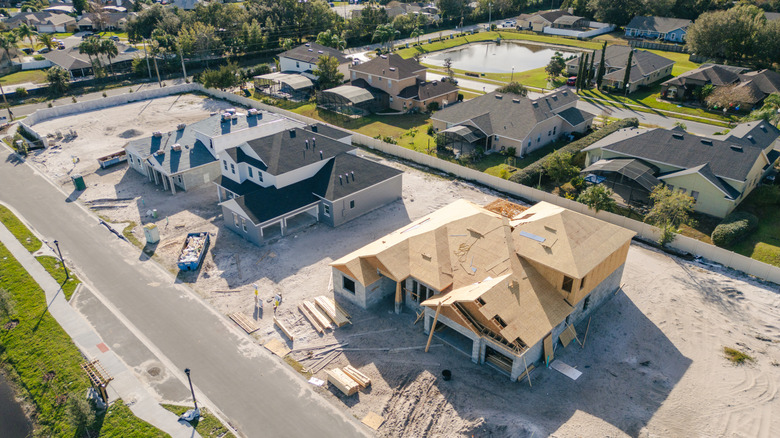
While the officials of the city have the last say on which road names will be put into use, they aren't the ones actually suggesting the names in the first place. Instead, real estate developers are the ones coming up with the names and putting them forward for approval.
Those developers might find themselves limited in which names they can suggest. Generally, street names have to fit in with guidelines provided by the local government. Some will want names to fit within a certain theme, such as nature, or they'll want road names that celebrate the local area. One instance over in the U.K. can be found in the roads surrounding the old Standard Triumph factory in Coventry. The road names there celebrate past Triumph models, such as Herald Avenue and Toledo Close.
Developers may have more freedom of choice if they are building in a fairly new area, rather than slotting a site within an older existing city. They may even have the choice to name the street after themselves or loved ones, but in more established areas, the available freedoms are slimmer.
Veto power goes to the emergency services
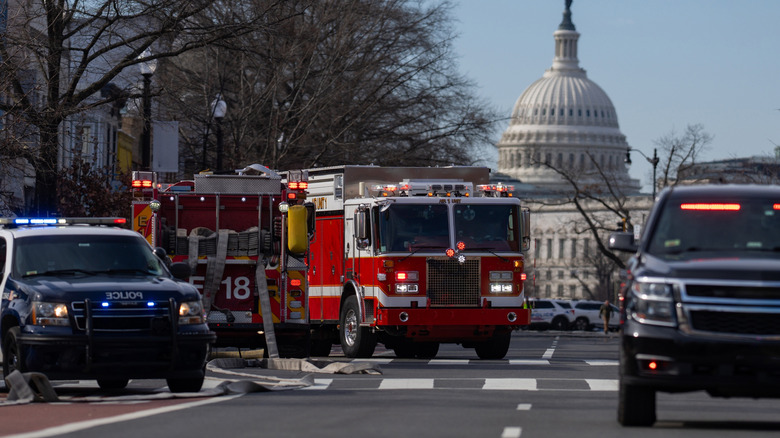
So, developers submit their desired names and local councils or city planning departments will approve them. But there are other groups with the power to veto names. These are the emergency services and the post office. If fire or police departments feel like a street name may be confusing or too similar to a nearby street, they can force an alternate submission to be made. These services also need to consider how complex the road names are; if the name is packed full of syllables, it's more likely to be mispronounced by a caller in a high-stress situation. As such, the names are made to be simple, yet distinct, ensuring clear communication and a lack of confusion. Post offices are also allowed to make such confusion-fueled calls.
Residents are free to refuse certain names in some scenarios, too. If officials propose renaming streets — such as to commemorate a controversial political activist – locals are able to voice their concerns and lobby for such names to be rejected. They might not have the authority to name streets, but they certainly have the power to reject change.
On the other hand, some residents might also try to convince officials to rename streets — or even the longest suspension bridges in America — through petitions. As of yet, though, no such petition has found any sort of success in that regard. Besides, some might argue that any name chosen through that method could be a solid candidate for America's worst street name.