

These Are 9 Of The Most Common RV Repairs (And What They Cost)
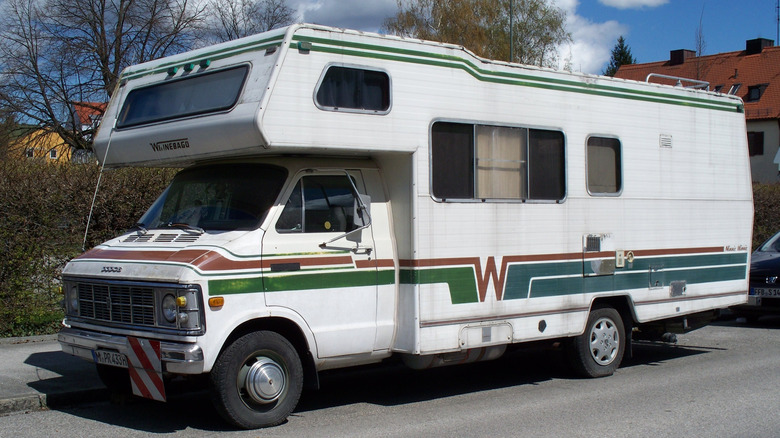
Some people can't bring themselves to settle down in one place but still want some of the amenities of home. Others, like Nick Offerman, simply enjoy the freedom of traveling for extended periods and want to be cozy when it's time for bed without having to rely on motels. For those people, their mode of choice is a recreational vehicle (RV). These days, the more expensive RV models can be just as comfortable as a house, but there's a catch. There's always a catch.
If you thought regular cars were high maintenance – check out the 10 hardest cars to work on — just wait until you start regular upkeep on an RV. Basically, take all the regular maintenance you do for a car and a house and combine them. That's about what you should expect if you want to get into the RV game. Even so, if you live a life on the move and love being on the road and exploring the great outdoors, investing in a good RV can be highly rewarding in the end. Here are nine of the most common RV repairs you may end up running into in the nomad life (and what they cost).
Generator replacement
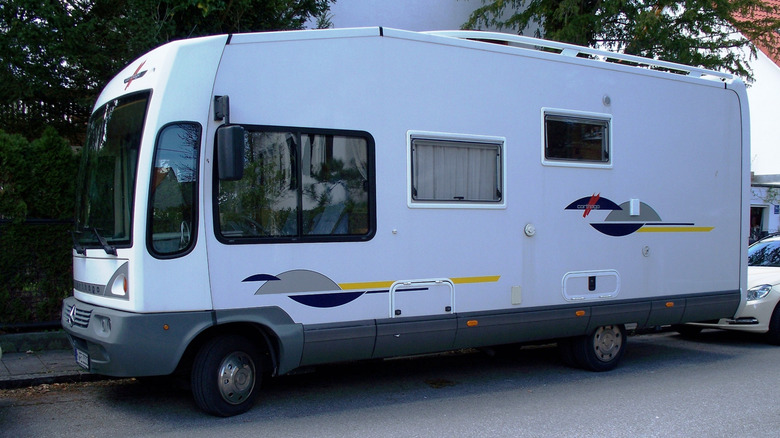
An RV combines the roadworthiness of a car with the coziness of a home. But when it comes to air-conditioning, refrigerators, stoves, and other amenities and appliances, you need an onboard power source to keep it all running. RVs can be plugged into the local power grid, but that's not really an option on the road or when parked out in the middle of nowhere. For that, you need a generator, which is the central power source for everything on your RV outside of running the engine.
Some RVs have built-in generators, while others require separate units that can be plugged in outside to provide power to the RV at night or during extended rest periods. Generators require periodic maintenance and even replacement. Some generators might cost only a couple of hundred dollars, but others can cost upwards of $10,000, not including installation fees. That might sound like a lot, but, as the old adage goes, you get what you pay for. It might be better to pay more upfront for a reliable unit than get a cheap generator that will require constant repair and replacement parts. Spark plugs, air filters, and fuel filters are all consumables that need to be regularly replaced. These parts can be bought for less than $50 apiece, and you can replace them yourself with proper know-how, but if you're not confident in your handyman skills, it might be better to spend a couple of hundred more dollars to get a professional to do the difficult work.
If your built-in generator goes kaput and you're out of warranty, replacing it will be more expensive than if you have a portable, external unit. If it's raining, you can also purchase a generator cover, which is basically a tent for your generator to protect it from the elements. This will set you back around $150, though more expensive options exist if you're a big spender.
Fresh water system
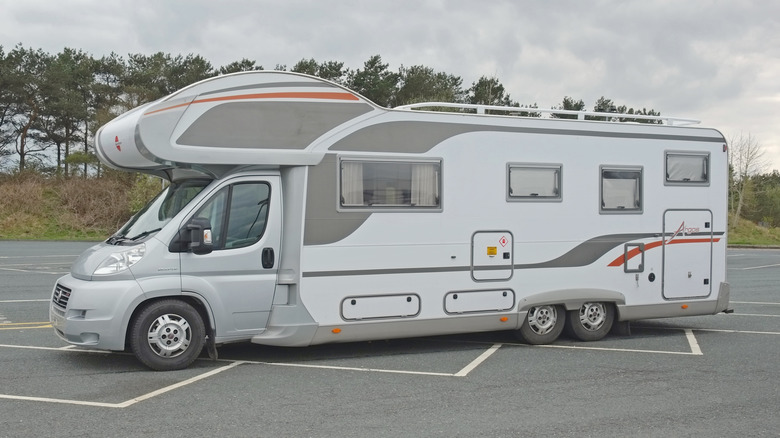
Most non-wheeled homes have running water and indoor plumbing. That also extends to RVs, which can come equipped with showers, toilets, sinks, and even dishwashers. Running water is a great addition to any house or RV, but it can also have costly drawbacks if something goes wrong. And with more and more people bailing on houses and moving into RVs, having a reliable water source is important for sanitation and comfort.
For example, if you don't properly winterize your RV, all it takes is one cold night for your pipes to freeze and burst. Winterization doesn't have to be expensive (affordable professional packages can start as low as $100), and an ounce of prevention is worth a pound of cure, as they say. Even so, there's always a chance a pipe can break due to the cold or some other factor. If that happens, it's possible a broken water line can be sealed for just a couple of hundred bucks or so, but if the damage is extensive, you may need to hire outside help. Professional service for large repairs like tank and plumbing replacements may cost $3,500 or more.
More commonly, you'll need to service your water tank, which is a bit of a project, but not too bad, and really not expensive at all. It's more of a day project than something to throw money at, but if you don't want to bother with it yourself, you can always get a plumber to do it for you. A final protip: get a water pressure regulatorfor your RV. It will go a long way towards preventing cracks and leaks, and cheaper models only cost $20 or so.
Waste system
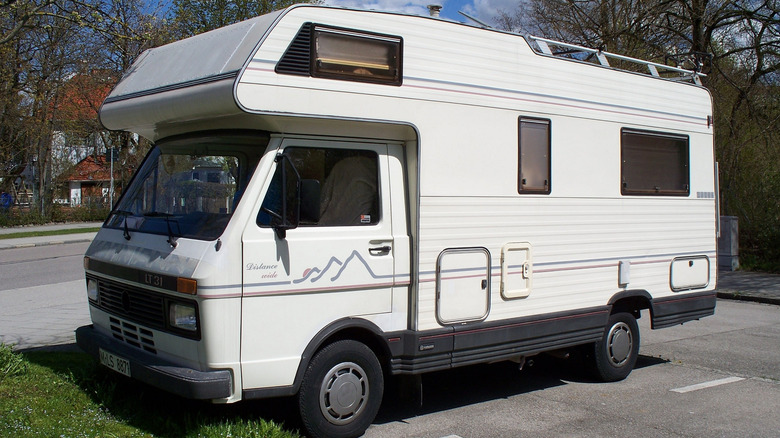
This one is particularly important. Like most homes with indoor plumbing, RVs have toilets, which are essential. If SpaceX's Dragon Capsule has a toilet, why not your RV? Being so critical to health and comfort, if they develop a problem, you need to get it fixed ASAP. The last thing you want is for your bathroom to turn into a fountain of human excrement. It's hard to say this is a benefit, but if you have a problem with your RV's waste/septic system, you're going to find out right away, due to ... How to put this? Due to the new and exciting aromas in the cabin.
You'll need to empty your RV's septic tank regularly. Thankfully, there's not much to it, and anyone can dump their tank's load with no trouble at designated disposal sites. Winterization can go a long way toward preventing issues with your waste system, from leaky pipes to leaks in the onboard septic tank. Leaks can be fixed with a little bit of sealant. Keeping your water tanks in good repair is critical. Depending on the nature of the issue, repair or replacement could cost between $400 and $3,400. Like the fresh water system detailed in the above entry, you may have to hire a professional – for $1,000 or more – to repair or replace the busted pipes. The price is worth it to prevent the terrible consequences of ignoring the problem.
Brakes
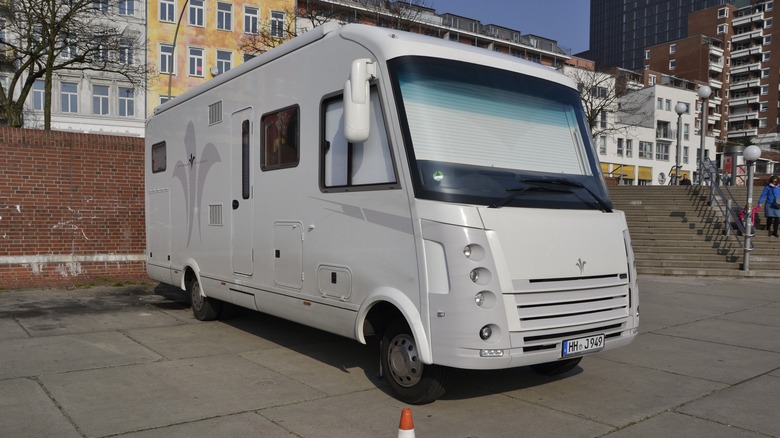
You know how traffic lights work. Green means go, and red means stop. However, if the brakes are shot on a fully loaded multi-ton RV, that's easier said than done. If you have shoddy brakes, your RV has the potential to turn into the equivalent of an errant hockey puck sliding across the ice ... Except instead of ice, it's a busy street full of cars and pedestrians. To prevent this locked-and-loaded tragedy, you'll want to make sure your brakes are regularly inspected, maintained, and repaired. All told, you don't want to exceed 30,000 miles without getting your brakes checked.
Unless you're a trained mechanic, you shouldn't try to fix your brakes yourself. If you make a mistake, you don't want to find out by slamming into the car in front of you or cruising straight through a busy intersection. Simple repairs like bearings or brake seals can be reasonably affordable, in the $500 range. Getting a professional to look at your brake axles will cost about $400 per axle. But more complex repairs or replacements can run you back $1,000 or more. Combined with labor and the inevitable unforeseen additional expenses, that number can easily climb, but it depends on the repair shop, the RV model, the brake type, and the specifics of the repairs. There's also the matter of upgrading from a hydraulic to an electric braking system, which can cost $3,000 or more.
Slide out repair
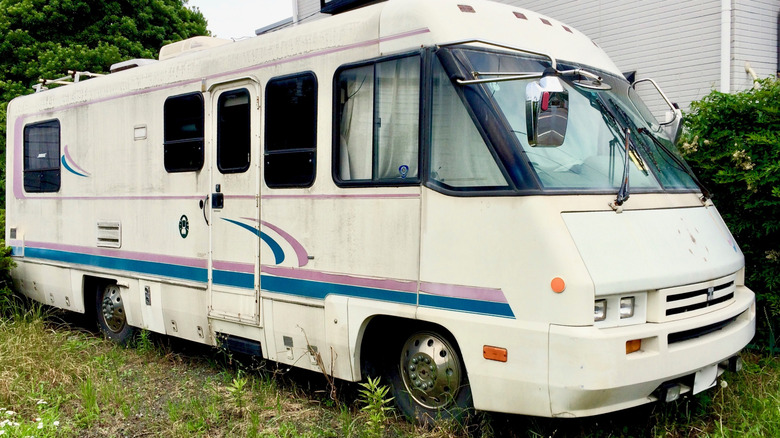
RVs are pretty big for a car, but on the inside, they're actually quite small. Like, smaller than a studio apartment in New York City, but also far cheaper, which may be why van life is more accessible than ever. When you add appliances, beds, and other amenities, there's not much space left. Granted, the point of an RV is the ability to stop and go outside, but if it's raining or snowing, you don't want to go out into the elements.
To resolve this issue, many RVs, especially high-end models, have what they call "slide out" systems, which essentially turn your RV into a Transformer robot. Okay, not quite, but they do cause parts of the vehicle to literally slide out, making the interior a bit more spacious. While cool and effective, slide-outs are also an accident waiting to happen. Eventually, it'll come off the rails and refuse to slide back and forth. Slide-outs are pretty complex mechanisms with motors, actuators, hydraulics, and other components that can all give out in one way or another.
Due to the variety of issues that can plague a slide-out system, repairs can be cheap, like a couple of hundred dollars to fix corroded wires, leaky seals. However, they can also be expensive, like $1,000 to fix misaligned tracks or replace an overloaded motor, $200 to $600 to repair gear assemblies, and $30 to $300 electronics and seals. Slide-outs are cool, but you have to decide whether the risk and cost of a malfunction are worth the extra interior space during rest periods.
Tire maintenance and replacement
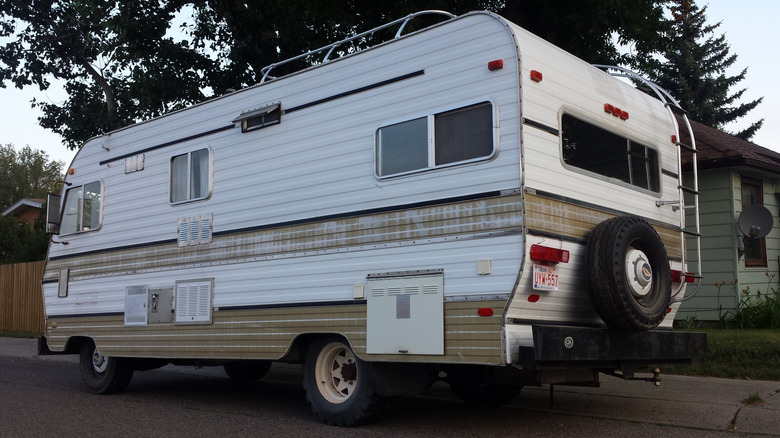
RVs are heavy vehicles. At the end of it all, the entire weight of the vehicle, from the chassis to the massive engine, to the generators, to the passengers, everything, it all rests on the tires. That's a lot of weight to be supported on just four points, which is why you need to be careful to make sure your tires are always ready for the unpredictable nature of road travel. There are different classes of tires based on the weight of the vehicle.
RV tires are supposed to be replaced every six or so years, but if you spend a significant amount of time on the road, they probably won't last that long. If you're rocking heavy-duty tires, you can look forward to shelling out around $300 per tire when it's time to replace them. On top of that, if you are, in fact, someone who is often on the road with your RV, you'll want to apply sealant or 303 aerospace protectant to shield your tires from the elements and the harmful effects of UV rays. You'll also want to keep an eye on your tire pressure to make sure they're always operating at maximum efficiency. On top of that, there are tons of extra potential costs like balancing and rotating tires, valve stem installation, and a tire pressure monitoring system, or TPMS. Altogether, that can add another $60 or more per tire.
It might seem like a lot, but if the alternative is having a blowout while driving along the California coast or an Appalachian mountainside, it's a price worth paying to keep your RV road-worthy. Without tires, your RV is just a shed that you might not even be able to live in, depending on local laws.
Suspension overhaul
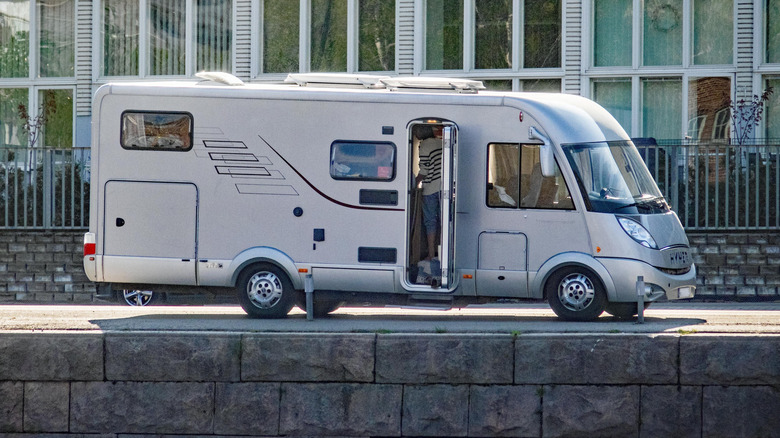
RVs are not particularly aerodynamic vehicles. That's not what they're designed for. Paradoxically, they're also ostensibly off-road vehicles, since people drive them on camping trips to get away from the world, out in the woods, up in the mountains, or by other scenic overlooks. A new RV delivers a relatively smooth ride, all things considered, but when your suspension starts to go, you need to get it fixed, or else you're going to have all sorts of problems. An uncomfortable ride can quickly escalate into something that can seriously threaten the health of everyone on board. If you've ever taken a ride on an old beater with busted shocks, you know exactly how much a simple ride can hurt. The heavier the car, the worse the damage can be, and RVs are pretty heavy.
Suspension overhauls are particularly pricey because you'll almost certainly need to have it professionally installed. It's simply too complex for the average car enthusiast to handle on their own. For a Class A motorhome, a full suspension overhaul, including airbags, shocks, and complete installation, can cost big bucks, anywhere between $1,500 and $15,000. That's not cheap, but I reckon it's a lot cheaper than your medical bills if you suffer a herniated disk after going over a particularly egregious bump.
Roof repair and replacement
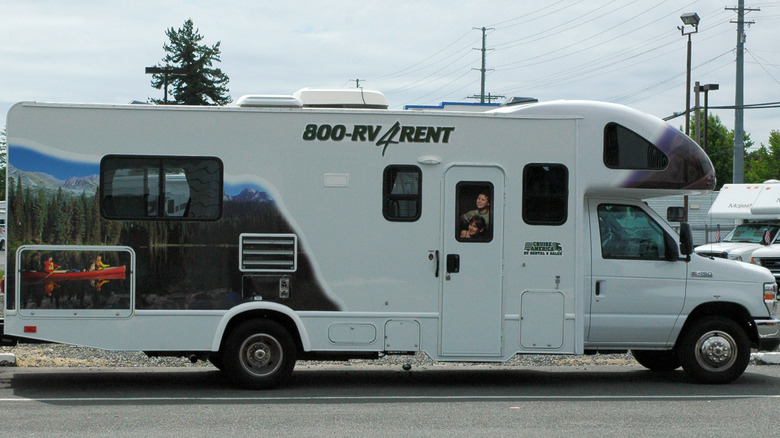
The Elvis Presley song, "We're Gonna Move," is about a poor family living in squalor in a broken-down home with "a hole in the roof where the rain gets in." Indeed, RVs frequently fall victim to roof damage. If you don't properly winterize every year, or if you just get a bit of bad luck, you're eventually gonna have outside water making its way inside. And not just water. Roof trouble also compromises your RV's insulation, letting heat out and letting the outside weather in. Wet and cold are not pleasant ways to spend the night.
If you've only got a minor crack or two, you can seal them with caulk or another type of sealant. You can have this done for between $200 and $800. If you have the skill and know-how, you can also do it yourself without paying someone else's labor costs. However, if the damage is extensive, you might have to replace the roof entirely. This cost will usually be calculated per square foot. If you've got a husky RV, you're looking at an investment that could be upwards of $15,000, which can be a tough pill to swallow. But it needs to be done. Basically, if you don't fix a problem cheaply while it's small, it'll escalate into a much larger, more expensive one.
Appliance repair and replacement
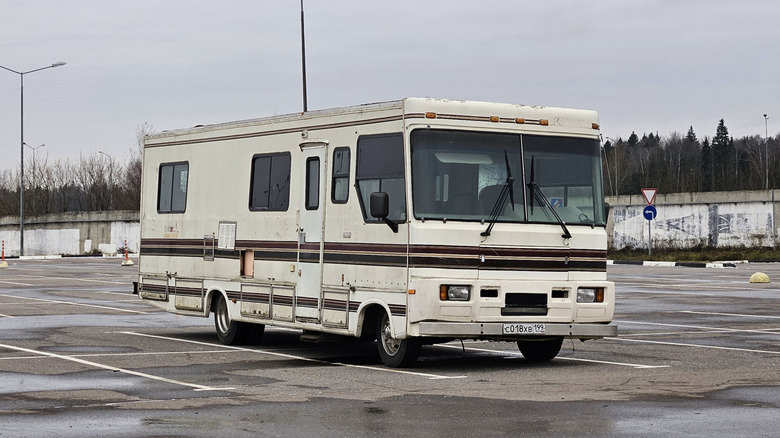
Ideally, an RV should have all the amenities of home, and that means appliances. Refrigerator, oven/stove, and even a washer/dryer unit for dirty clothes, water heater, and air conditioner units, all of which are commonly found on RVs, especially the higher-end models. Just like the ones at home, these appliances don't last forever.
While RVs have suspension, everything inside gets shaken, rattled, and rocked more than in the average home. As such, wires come loose, components wear down, and, ultimately, stuff gets broken. When that happens, your options are to either do nothing, replace it, or look inside for a way to fix it. Air conditioner repairs can cost a couple of hundred dollars, or a couple of thousand if it needs to be fully replaced. Refrigerator units can cost between $400 and multiple thousands of dollars, depending on how high-end you're looking to go.