

Here's What Contaminated Diesel Fuel Can Do To Your Engine
Diesel engines have a steadfast reputation for reliability, longevity, and pumping out gobs of grin-inducing, low-end torque. The latter makes diesels preferable over gas engines for hauling, towing, and heavy-duty work, while the durability part has to do with a diesel mill's solid and equally heavy-duty construction. Some diesels are so well built that they're still running today despite being decades older than their contemporaries.
With their workhorse reputation, diesels need maintenance as much as any other engine. They can malfunction and succumb to airflow restrictions, exhaust faults, and problems with the cooling system, which are among the common issues suffered by diesel engines. Above all, diesel engines need clean air and fuel to survive, and forcing them to operate with congested air filters and contaminated fuel could be a death sentence for your rig.
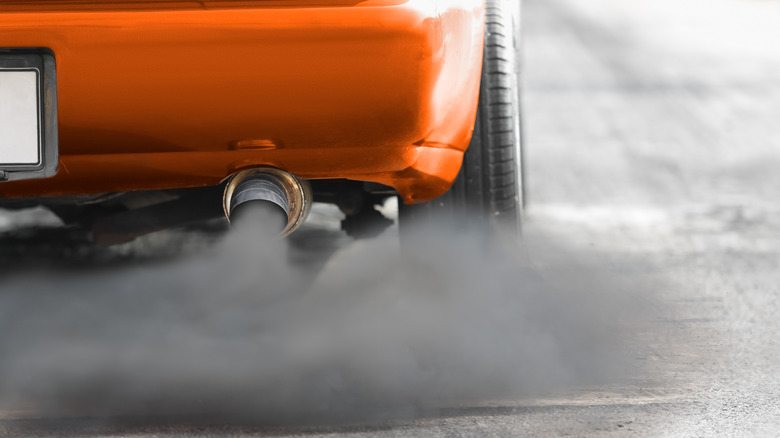
Most important is the cleanliness and quality of the fuel. Dirty fuel is bad news for any diesel (especially common-rail direct-injected, or CRDI) engine, as about 80% of engine failures are commonly associated with contaminated fuel. The primary symptoms are mediocre performance, excessive blue, black, or white smoke from the tailpipe, clogged fuel filters, noticeable water in the tank and fuel delivery system, and annoying starting issues.
The problems caused by dirty diesel don't stop there
Since diesels operate mainly on higher compression and timed fuel injection, contaminants in the fuel can alter those parameters and make the engine feel weak and lackluster. For instance, dirty diesel can clog the injectors, which are highly precise, sensitive, and costly to diagnose and replace. Injectors could potentially cost $450 to $900 each for an OEM part. If you have a V8 diesel, that amounts to thousands in parts alone (since experts recommend replacing all injectors instead of just one or two), so it's critical to stay on top of things when refueling your truck and to ensure the fuel quality to prevent costly damage.
Unsurprisingly, it doesn't take much for diesel fuel to degrade. Although modern diesel fuels have a shelf life of up to two years when treated and stored properly, contaminants like dirt, rust, grime, and other foreign materials can accumulate as the fuel migrates from the refinery, tankers, and the pumps. And since diesel fuel is hygroscopic, it has no trouble absorbing water and moisture from the air. Too much water is bad news, since it can affect the diesel's freezing point, diminish the fuel's energy content, and promote the growth of microbes, also called algae or diesel bugs.
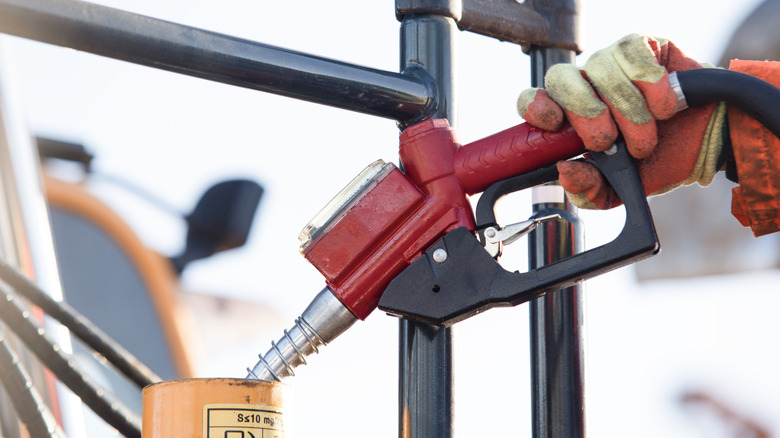
Of course, it's a different type of contamination if you accidentally fill your diesel tank with gasoline, or when suppliers inadvertently put diesel fuel into gas pumps. The key to avoiding the effects of contaminated diesel fuel is to fill up at reputable sources, drain the water separators regularly, periodically replace the fuel filters, and use stabilizers or additives to prevent the fuel from oxidizing during storage.