

Open The Windows All You Want, These Smells Can Still Make Your Car Hard To Sell

We may receive a commission on purchases made from links.
Few things are as unpleasant as a strange vehicle funk. We're not talking a mechanical odor that could be an indication of a problem, such as a burning smell from your car. No, it's something else, like stale cigarette smoke, rotting organic matter, or ripe pet odors. Why is it so bad? Perhaps it's the fact that you're trapped with it until you reach your destination. Or maybe it's all the effort exerted pretending not to smell anything foul, in order to be polite to the car's owner.
One classic "Seinfeld" episode, "The Smelly Car," captures the situation perfectly, as Jerry's vehicle picks up a mysterious odor. After attempting and failing to freshen up his car, he explains the severity of his predicament to friend George: "You don't understand what I'm up against! This is a force more powerful than anything you can imagine! Even Superman would be helpless against this kind of stench!"
Not only is a stinking vehicle unpleasant, selling it becomes challenging. Per Auto Success, car-auction company Manheim found that smelly interiors typically dropped $300 off a car's price. It's common sense, really; the first impression of a vehicle you're selling should be a positive one. This is why dealerships sometimes sink hundreds of dollars into removing used-car smells so buyers aren't scared away the moment they open the door. But why do vehicles hold onto these odors so fervently, and how can you eliminate them?
Why vehicle interiors can become pungent, and how to tackle the problem
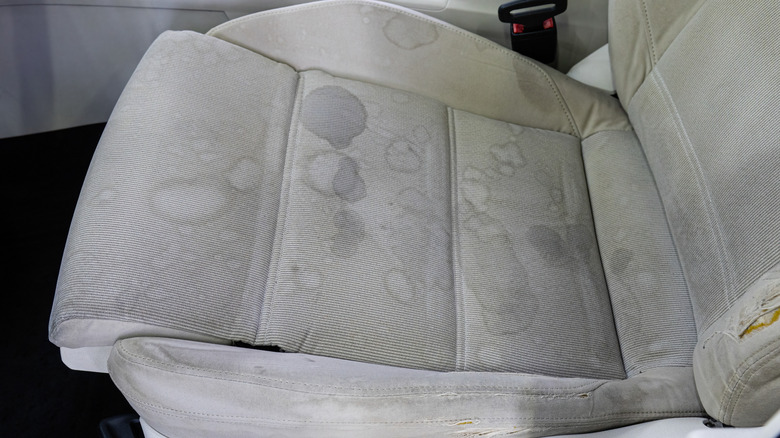
According to Fibre2Fashion.com, 90% of vehicle interiors' fabrics use polyester, which provides the best balance of price and durability. But textiles can also hold moisture, leading to the growth of bacteria. The fabric used in your life-saving seat belts can also become a source of mold, coating the cabin in an unbearable aroma. Add in that people using heat or air conditioning drive with their windows rolled up, which restricts airflow, creating an environment that combines bacteria, mold, and poor ventilation. The stink isn't always the owner's fault, either, as Hyundai figured out why its Palisades smelled and pointed to a manufacturing issue with its headrests.
Other, more obvious factors can contribute to the smell, too, like food crumbs, trash, and dirty clothes. These are the easiest issues to deal with, involving simply keeping the interior neat and vacuumed. (Note: Your car cleaning tips and tricks include using a robust shop vac instead of less-powerful handheld stick models.) Before vacuuming, some recommend sprinkling baking soda along the carpeted floors, as baking soda is known to neutralize acidic compounds, which often are the ones emitting the foul smells. Wait at least 24 hours, then vacuum.
To tackle surfaces like floor mats and seats, you can purchase a vehicle upholstery shampoo like Autoglym Interior Shampoo. Just ensure it's designed for the type of material in your cabin. These shampoos can extract stains and help eliminate odors, too.
If there's still a smell, seek professional help
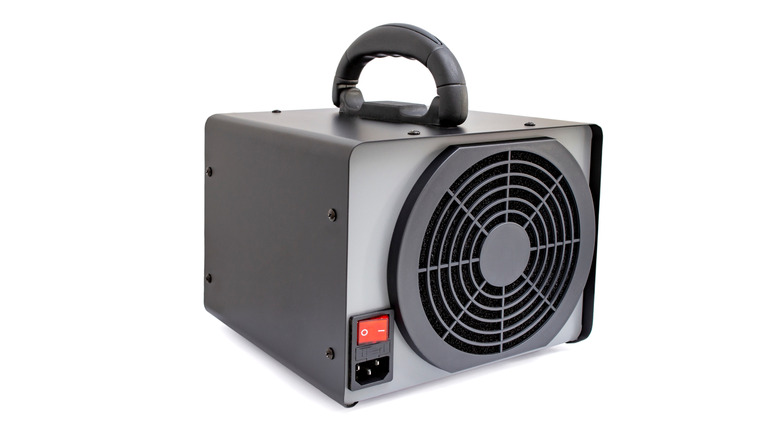
If you've exhausted the do-it-yourself options and are still struggling to deodorize your interior, it might be time to contact a professional detailer. Those in the car cleaning business may have access to a powerful ozone generator, a tool many hotels use in their rooms between guest stays. This tool essentially turns oxygen into a gas that oxidizes odor molecules, eliminating deeply embedded smells. Ozone generators can also be dangerous if not used properly, causing or exacerbating a number of respiratory issues, which is why they're best left to an experienced detailing crew.
Finally, the problem could be tied to your climate control system. Mechanic Rodney Schield explained to ABC 7 New York, "A lot of it stems from leafy debris. You can wind up with a musty refrigerator smell." This situation can be handled by a service shop, which can take steps such as replacing the cabin filter, cleaning the evaporator core, and ensuring the system drain isn't stopped up.