

Do Rubber Bushings Need Grease? Here's What You Need To Know
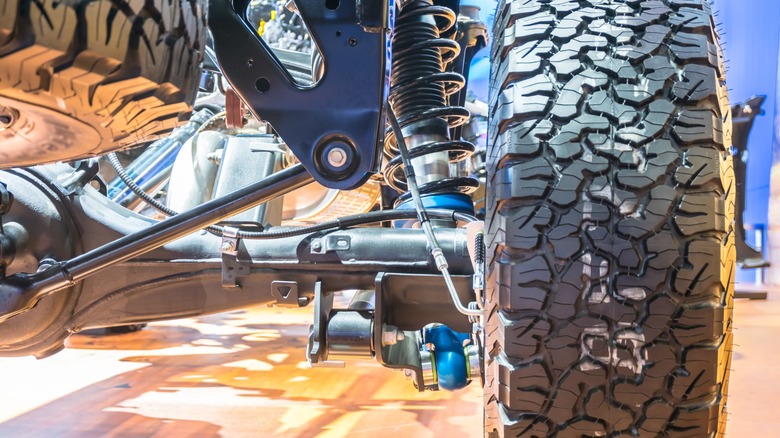
If your car maintenance skills cover changing engine oil and replacing spark plugs, you should be maintaining your car's rubber bushings by periodically cleaning them and applying a light coating of grease. Rubber bushings often go unnoticed since they're typically a part of your car's suspension system, staying hidden from view. The simple design and hidden nature of rubber bushings make them easy to forget. However, they play an important role in your vehicle's stability on the road, making them an important car maintenance item you should check on before there's a problem.
Rubber bushings need grease for its use as lubrication. With an insufficient supply of it, the bushings can wear more quickly, which might result in a squeaking noise that occurs when driving over bumps. Advanced bushing wear can be especially problematic, as it could potentially cause reduced steering control.
With their location on the undercarriage of the vehicle, bushings are subject to normal wear and tear as part of the suspension system. They also encounter severe environmental conditions, like temperature extremes, road grime, and winter road salts. The best way to combat these assaults on your car's rubber bushings is periodic maintenance. Steps to properly maintain your rubber bushings include cleaning away any old grease and grime with a degreaser before applying new grease — but not every type of grease is safe to use on every type of rubber.
Selecting a grease to maintain rubber bushings
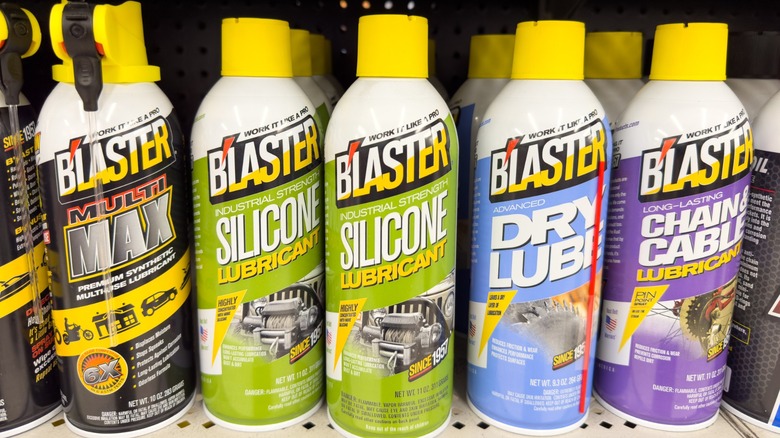
In the past, we've warned you to stop using WD-40 on your wiper blades. That's because of the adverse chemical reaction between rubber and the petroleum compounds found in WD-40. While it's still useful for a number of maintenance tasks around the garage, applications that involve rubber — including rubber bushings — aren't one of them.
When selecting a rubber bushing grease, it's best to consult your vehicle manufacturer's specifications for guidance. Silicone and PTFE (Teflon) greases are often the best choices for natural rubber bushings, while polyurethane bushings work best with silicone grease or lithium soap. Spray applicators are readily available, but many of them can contain concentrations of petroleum-based products. Combinations that include petroleum products can harm rubber bushings.
Regardless of the type of grease used to lubricate and protect rubber bushings, it's important to avoid applying too much. Grease that's piled onto bushings doesn't provide additional protection. Instead, it collects dirt and grime which can infiltrate the bushing, causing excessive wear.