

The Electric Future Will Come From China

Happy Tuesday! It's December 29, 2025, and this is The Morning Shift — your daily roundup of the top automotive headlines from around the world, in one place. This is where you'll find the most important stories that are shaping the way Americans drive and get around.
In this morning's edition, we're looking at Western automakers ceding the EV market to China, as well as a fiery Toyota recall. We'll also look at Hyundai and the former Russian factory it wants back, and the last days of the MetroCard.
1st Gear: Western automakers aren't even trying on EVs any more
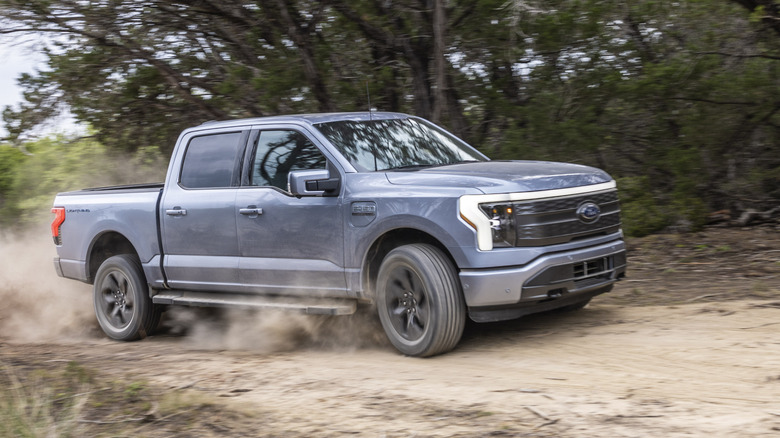
The United States is practically done with this whole "electric car" thing, and Europe isn't far behind. That means that China basically has free reign over the market, a head start that could well guarantee the nation's companies success moving forward. Sure, American and European brands own much of the automotive market today, but will that continue on as the effects of climate change get ever harder to ignore? From Automotive News:
Cooling demand and high costs have undercut the ambitious electrification targets of western automakers, yielding much of the market to China with its hyper-efficient and subsidized supply chain churning out low-cost electric vehicles.
The past 12 months highlight the global pullback from several decades of EV investments in the West. Political shifts aligned with uncertain market conditions, turning cautious strategic changes into a full-blown retreat.
Ford Motor Co. is walking back its EV plans and refocusing on hybrid and gasoline vehicle manufacturing. The automaker said Dec. 15 that the change in focus will result in special charges totaling about $19.5 billion, mostly in the fourth quarter.
Ford has indicated it is willing to take a short-term hit to get out of its costly longer-term EV strategy.
In September, Stellantis decided to cancel a fully electric Ram pickup and instead focus on an extended-range version.
General Motors said in May that it would shift the Tonawanda propulsion plant in Buffalo, N.Y., from EV drive unit manufacturing to engines for gasoline-powered vehicles.
We're at a bit of a crossroads here, as a global society. On the one road, there's a planet that remains habitable — the only planet we know to be capable of supporting life. On the other, there are profits for the immediate fiscal quarter. Unfortunately for all of us, "the continued survival of the human species" doesn't fit neatly into an MBA's spreadsheet.
2nd Gear: Toyota recalls 55,000 hybrids for risk of fire

2025 has been a big year for recalls, but they've mostly been from Ford. It seems Toyota doesn't want to be left out, though, because the company is calling back 55,000 Camry and Corolla Cross Hybrids for a risk of "loss of motive power or ... fire." That's what we in the industry call "not great." From Toyota:
Toyota is conducting a safety recall involving certain model year 2025-2026 Toyota Camry and 2026 Corolla Cross Hybrid vehicles. Approximately 55,000 Toyota vehicles are involved in this recall in the U.S.
A bolt inside the inverter in the hybrid powertrain can become loose and could lead to a loss of motive power or could lead to a fire when the vehicle is on. A loss of motive power while driving at higher speeds or a vehicle fire could increase the risk of a crash or an injury.
Owners will hear about the recall "by mid-February," but you're getting the inside scoop here. If you own one of these cars, get in touch with your dealer sooner rather than later. Car fires are, and this is personal opinion here, generally not a situation you want to find yourself in.
3rd Gear: Hyundai isn't getting its Russian factory back
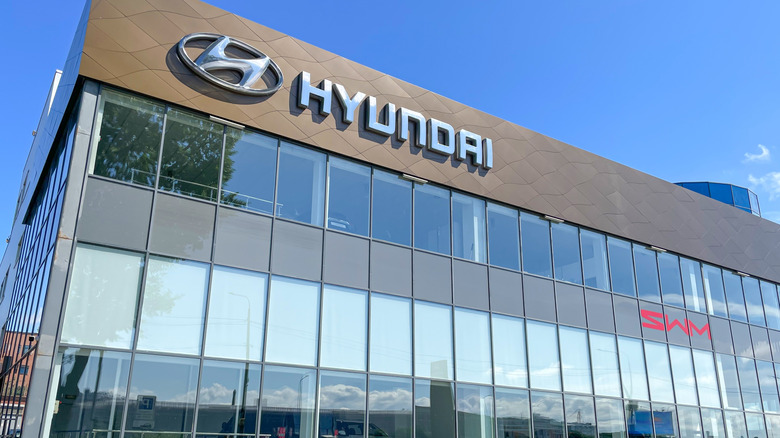
When Russia invaded Ukraine back in 2022, many global automakers pulled out of the country. That list included Hyundai, but the brand had a stipulation on its exit — it wanted the ability to buy back its factory in St. Petersburg within a few years, should this whole "war" thing blow over. It has not, in fact, blown over, and now Hyundai's running out of time to exercise that buyback. From Reuters:
South Korean automaker Hyundai is not in a position to repurchase its former manufacturing plant in Russia due to the continuing war in Ukraine, a source familiar with the matter told Reuters, as a buyback option appears set to expire next month.
Along with its affiliate Kia, Hyundai was once the biggest foreign carmaker in Russia. But it sold its plant in St. Petersburg in 2024. Operations at the facility had been suspended since March 2022, a month after Moscow's invasion of its smaller neighbour, which provoked a backlash of Western sanctions that disrupted supply chains and payments.
The deal, which saw Hyundai sell 100% of the facility to Russia's AGR Automotive Group for a symbolic 140,000 won ($97), included a two-year buyback option. That clause expires in January.
"It is not a situation where we can buy back the shares," said the source, who is familiar with Hyundai's internal deliberations but asked not to be named due to the sensitivity of the matter.
Hyundai told Reuters in a statement that a final decision has not yet been made on the buyback option. AGR Automotive Group did not respond to a request for comment.
Obviously, losing a major factory is a blow to any automaker. The PR hit from continuing to manufacture in a nation globally seen as an aggressor in the deadliest European conflict since World War II, however, would probably be worse. Even Ural managed to get out of Russia.
4th Gear: You have just three days to refill your MetroCard
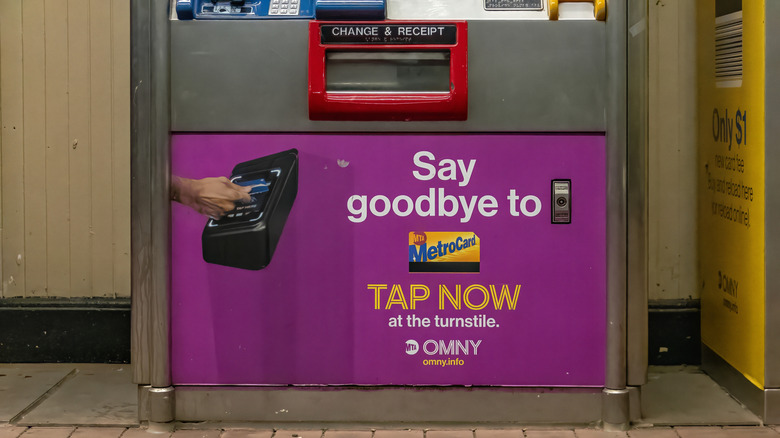
The MetroCard is very nearly dead. That paper-thin card, your former ticket to New York City's transit system, has almost been fully supplanted by the tap-to-pay OMNY system — a supplantment that will go one step further on New Years' Eve, when MetroCard machines spit out their final cards and reloads. From the Associated Press:
When the MetroCard replaced the New York City subway token in 1994, the swipeable plastic card infused much-needed modernity into one of the world's oldest and largest transit systems.
Now, more than three decades later, the gold-hued fare card and its notoriously finicky magnetic strip are following the token into retirement.
The last day to buy or refill a MetroCard is Dec. 31, 2025, as the transit system fully transitions to OMNY, a contactless payment system that allows riders to tap their credit card, phone or other smart device to pay fares, much like they do for other everyday purchases.
Transit officials say more than 90% of subway and bus trips are now paid using the tap-and-go system, introduced in 2019.
I have a small collection of subway tokens that I've wanted to turn into jewelry, but I've also been thinking about making a new 3D-printed subway token that includes the tap-to-pay chip from an OMNY card. I could be the only person still paying for subway fares with a token in 2026! Would that be any more convenient than, or even as convenient as, tapping my phone? Absolutely not. Would it be cool to anyone but me? Also no.
Reverse: And they've been trying to leave ever since
Now that Texas state officials are in lockstep with the federal government, are there still folks down there intent on seceding?
On The Radio: VÉRITÉ - 'love you forever'
I'll love pretty much anything VÉRITÉ puts out. I get she's technically some genre of nepo baby, but she's got the skills to back it up.