

How Often Should You Replace Your Wiper Blades? (Many Drivers Push It Way Too Far)

We're conditioned to keep our cars maintained with regular oil changes, proper tire pressure, and routine fluid checks. But when was the last time you inspected the wiper blades? Probably not until streaks that wouldn't go away started appearing on the windshield, or until the rain and snow wasn't clearing away as it should. At best, residue on the front glass is a distraction. At worst, it can become a safety hazard if it impairs the driver's visibility.
The government may seem to track just about everything, but there's no available research on wiper blade replacement. One older study by Safelite AutoGlass shows that about ⅔ of car owners install new blades annually, while almost ¼ delay the task for 2 to 3 years. Manufacturers usually recommend swapping out wiper blades at least every 12 months, but few motorists drive only in ideal conditions.
Throw the blazing summer sun or heavy precipitation into the equation, and wiper blades may need to be replaced more frequently. The rubber that clears the windshield so effectively at first can quickly degrade. That means replacing blades yearly may not be enough. Let's break down why that is and what you can do to stretch out your wiper blades' longevity.
How long wiper blades actually last
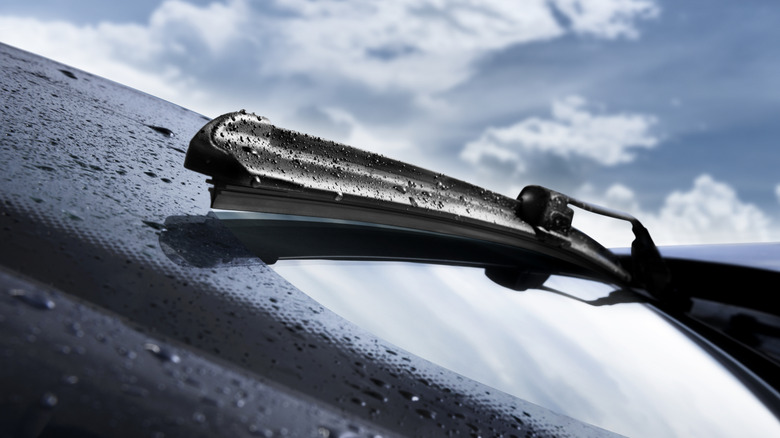
While 12 months appears to be the benchmark for wiper blade replacement, some manufacturers are more aggressive, recommending a new pair every 6 months. Whether that's genuine advice or a subtle sales tactic comes down to what's going on with the wiper blades on your car. If there's streaking or smearing when the blades are in use, or if vertical lines are left on the glass, then the blades are past their prime.
Many factors shorten wiper blade lifespan. Exposure to ozone, UV radiation, and temperature swings causes the rubber compound to break down. In addition, grit build-up on the windshield can cut into the blade's surface, and every pass of the wipers can remove tiny amounts of rubber. So, someone living in Seattle, which sees an annual average of 152 rainy days, is more likely to need a blade replacement sooner than a driver in Los Angeles, which gets 36 days of rain in a typical year. In addition, certain materials (basic rubber versus silicone wiper blades) age at different rates.
Once deterioration starts, the blades can't maintain complete contact with the windshield, leading to streaking, skipping, and other ill effects. At this point, safety is potentially an issue, due to smearing and blind spots. The trick is replacing the blades before you run into these problems, which doesn't necessarily mean following a precise schedule.
How to tell when it's time to replace wiper blades
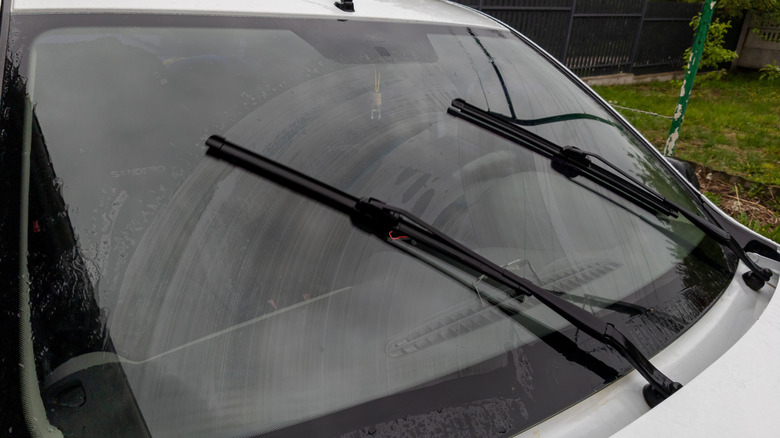
You've seen it before: fine streaks, light hazing, and patches of uncleared glass. These are the early warning signs of wiper deterioration, along with blades that chatter, skip, or screech. More advanced wear can include small cracks or missing chunks along the blade edge. It all adds up to wiper blades that can't do their job properly.
Stay ahead of any problems by regularly inspecting the blades. You'll want to be alert to any surface breakdown that prevents clean and even contact with the windshield. At the same time, check that the blade assembly is firm and securely attached to the wiper arm. Maintaining the blades is simple — periodically run a soapy sponge or a soft towel soaked with washer fluid along the blade edge. Other preventive measures include first cleaning any windshield buildup or debris with a squeegee and not using the wipers when the windshield is dry. During winter, let any icy accumulation melt before engaging the wipers to prevent tearing a frozen rubber edge. Alternatively, it's okay to raise the wiper arms when it snows.
When the time comes to replace wiper blades, it's among the cheapest and most accessible DIY maintenance tasks. A basic pair of rubber blades will set you back $20 or less, while a high-end silicone set is about $50. Just make sure to buy blades compatible with your car. Review the owner's manual for specific replacement instructions, but you'll need to raise the wiper arms off the windshield and press a tab to slide off the old blade assemblies. The new units should click into place.