

Is Fuel Injection Service Worth It Or Just A Rip-Off? Here's When You Actually Need It

You know the drill by now. You're sitting in the purgatory of the service center waiting room. Precisely 63 minutes into your wait, the service adviser walks out with a clipboard and calls your name — he wants to speak to you about some things the mechanic "found." He drops a list in your lap and tells you your car needs fuel injection service because your engine is basically choking on its own filth. It's $200 and your B.S. detector starts screaming, because this feels like a classic wallet flush.
For a long time, this service was mostly nonsense. If you're driving basically anything with standard Port Fuel Injection (PFI), the gasoline itself is doing most of the cleaning. Modern Top Tier gasoline is loaded with detergents that help clean your intake valves every time you drive, so paying extra to clean them is redundant. But then engineers got obsessed with fuel economy numbers and ruined everything by switching to carbon-piling Gasoline Direct Injection (GDI). This created a confusing mess that a cynic might say service shops are exploiting, though Hanlon's razor would remind you: "Never attribute to malice that which is adequately explained by stupidity."
A specific type of induction cleaning is actually required for millions of modern engines from most major automakers, with many automakers recommending the service at set mileage intervals. Always check your owner's manual for the actual maintenance schedule, but 15,000 to 30,000 miles seems standard. If you don't know the difference between a $15 tank additive and a proper pressurized induction spray, you're either throwing money into a hole or letting your engine turn into a carbon-crusted paperweight.
Why your direct injection engine is actually disgusting
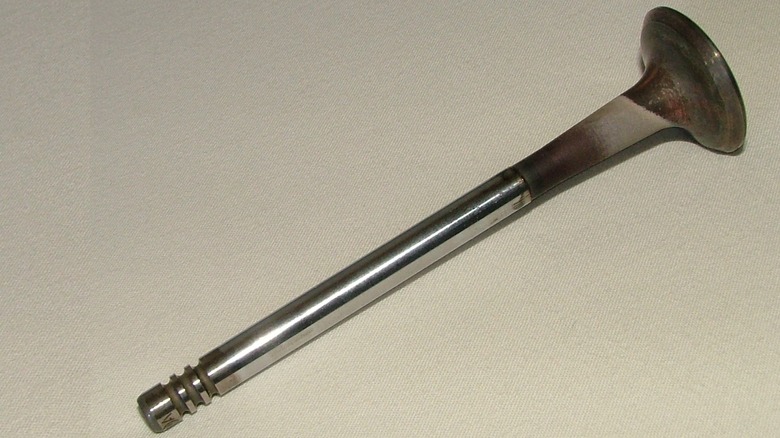
To understand why your engine is gross, look at where the gas goes into the combustion chamber. With a PFI system, the injector lived in the intake runner and sprayed fuel from behind the intake valve. Since gas is a solvent, this was like Pine-Sol shooting out of your showerhead — maybe not enough to replace a real scrub-down, but more than enough to keep everything fresh and clean in the meantime.
Then came GDI. Recent data shows that 73% of recent vehicles produced were equipped with GDI engines. To squeeze more horsepower out of engines, engineers moved the injector inside the combustion chamber. Great for power and efficiency, terrible for hygiene. Having the injector in the chamber, not behind the valve, nullified the cleaning effect PFI systems enjoyed.
So if the stuff moved to the combustion chamber, why would the valves still get dirty? That's thanks to the Positive Crankcase Ventilation (PCV) system. It's the engine's own redigestive system, sucking crankcase vapors into the intake so they can be burned off instead of vented to the atmosphere. If you have installed and changed the filter of an oil catch can, you know how filthy PCV vapor can be.
Without the fuel bath to rinse it off, that sticky sludge bakes onto the valves, forming hard carbon deposits. This buildup can affect the airflow, causing rough idles or misfires that a simple bottle of fuel tank additive simply can't touch. It's basically a tax on efficiency. And though automakers rarely admit they're wrong, companies like Toyota and Ford eventually started using dual injection systems that use both types of injectors. If you drive a Tacoma with a D-4S engine, you're good.
How do they do this?
Not all fuel injection services are the same. Be sure to ask what the service entails — if you own a GDI car, a tank additive is chemically useless for cleaning valves because the fluid bypasses them entirely. You are paying $150 labor for someone to pour a $12 bottle of Techron into your tank — which you can do yourself in the AutoZone parking lot.
If you drive a GDI vehicle — think early Ford EcoBoosts, most Hyundais, or most modern BMWs — the service you actually need may usually be more accurately called an induction cleaning. This involves a mechanic spraying a pressurized solvent mist through the intake while the engine runs, physically soaking those crusty valves to keep the deposits soft. This is a legitimate maintenance item and should follow your car's maintenance recommendation for mileage between services.
But if you've ignored this for too long and your "check engine" light is flashing, chemicals won't cut it. You have entered the territory of the "walnut blast." This is exactly what it sounds like: a mechanic blasts crushed walnut shells at your valves to chip off the carbon rock. So yes, that service the advisor brought up — you were right to be cautious, but now you can recognize when it's genuinely necessary.