

Side Pipes Made Muscle Cars Iconic – Here's Why They Faded Away
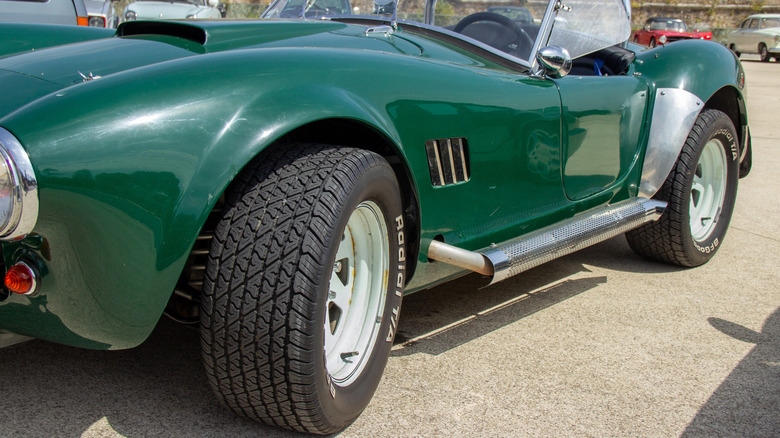
While they're undoubtedly cool on the right car, side pipe exhausts disappeared for a few reasons. Some models with them, like select Chevy Corvette Stingrays, had questionably effective mufflers. These side pipe systems prioritized aesthetics and performance, not soundproofing or emissions. Once cars were mandated to meet certain government regulations, finding space for required exhaust components — like a suitable muffler and a catalytic converter – became much more challenging when the pipes don't run the length of the car.
In addition, any buildings or people along the sidewalk would become inundated with their exhaust note thanks of the lateral direction of the pipes. This isn't helped by how some pipes are able to crest 120 decibels during idling, making them extremely loud. For reference, that's as loud as a jet taking off, and prolonged exposure to sounds at 85 decibels begins to damage hearing. While it might be music to a car enthusiast's ears, the loud exhaust note also makes everyday activities more challenging. For example, good luck ordering at a drive-thru if you don't shut off the engine first.
There's also the matter of safety. The problem is that exhaust pipes can reach temperatures of several hundred degrees Fahrenheit or more. They could radiate heat into places like the door, potentially compromising some of the modern collision protection systems — like airbags, which are sensitive to heat. These hot pipes can also affect cabin temperatures, making things uncomfortably warm. They could also burn your leg getting out of the car, and it could take up to an hour after the car's been off before they cool down to safer temperatures. That being said, a side exhaust that glows red does make for a great look.
Which muscle cars had side pipes?
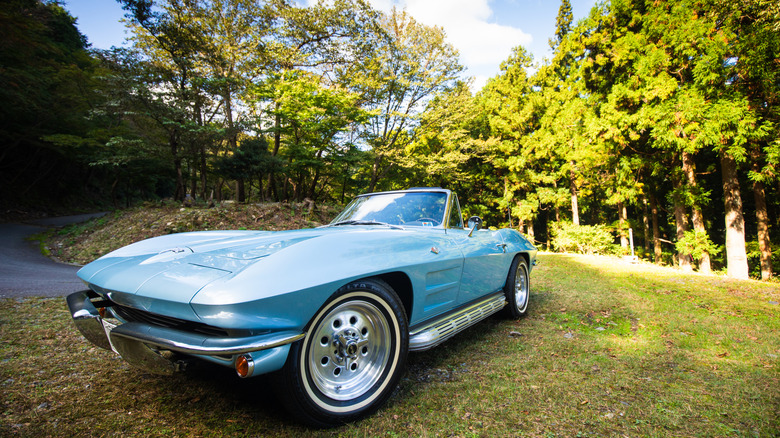
The '60s and early '70s gave rise to muscle cars. These iconic rides are primarily known for large displacement engines and explosive acceleration off the line. However, some of them included another eye-catching feature borrowed from hot rods: side pipe exhaust, which is one of your favorite factory exhaust designs. Cars like the Shelby 427 Cobra (particularly its competition model) and certain Chevrolet Corvette Stingrays had them, and it helped make these vehicles stand out. You could also get them from custom shops, like Baldwin-Motion, which offered a Chevelle and Phase III Camaro equipped with thick silver pipes running under the doors — though very few of these cars were made.
A few decades later, and side pipes would make another notable appearance. They could be found on an American car sporting a massive engine (one the biggest ever in a production model), the Dodge Viper, which ran from 1992 to 2017. While perhaps not completely qualifying as a muscle car, its focus on brute power embodied some of the classic spirit from the famous era. These striking exhaust systems weren't widely adopted across the industry, though they remained popular in the hot-rodding scene. However, in a bit of good news for side exhaust fans, Ferrari just filed a patent for side-dump exhausts, so we could see them making a return.