

How A Waterless Car Wash Works (And When You Should Use One)
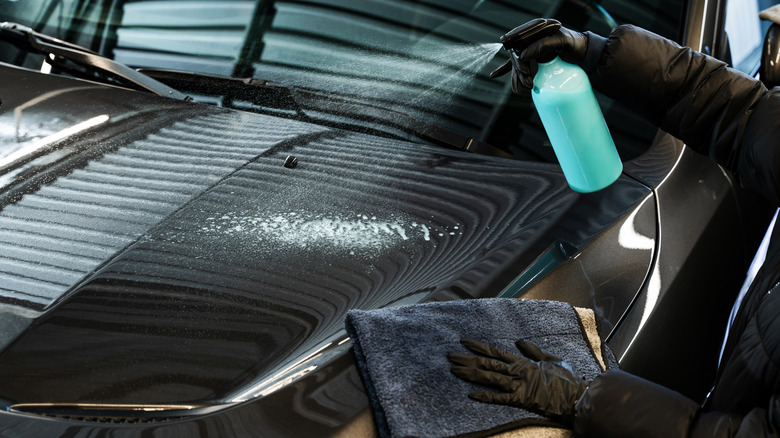
You just spent half your weekend hosing down, scrubbing, rinsing, and drying your ride. And by Tuesday, it already looks like it hosted another desert sandstorm party. When that happens, you might start thinking about a waterless car wash and wonder if it's a legitimate shortcut or just another gimmick. Good news: it's the real deal — but only for certain situations.
A waterless car wash is exactly what it sounds like: a way to clean your precious car without a hose. Instead of gallons of water and buckets, you use a spray-on detailing solution that contains lubricants, surfactants, and other compounds. These ingredients help lift dirt, allowing it to be safely wiped off with microfiber towels without affecting your vehicle's paint. The key is lubrication; the formula creates a slick layer between the dirt and your finish to let grime slide off instead of getting ground in. At the same time, surfactants help break up oils and light contaminants so they come off more easily. This process is called emulsification.
Types of waterless car wash products vary widely, ranging from quick-detail sprays for light dust and pollen to foam formulas that are more suited to clean tires and wheels. There are also waterless car wash wipes available for quick touch-ups when something gruesome happens. They're great for light contamination when your car's already mostly clean, but they aren't designed to replace a full wash when it's caked in mud or stuck-on grime.
When a waterless car wash is useful and how to do it

A waterless wash is perfect for simple mid-week touch-ups. It's also a life-saver if you live somewhere with water restrictions or no hose hookup, or you just don't feel like setting up a brigade of buckets.
Start with the right tools. Microfiber towels are essential because they trap dirt without dragging it across the surface. Spray the waterless wash liberally on a small panel; it's better to start from the top. Let it do its thing for a few seconds, then gently wipe in one direction. Avoid circular action as you'll just be circling dirt back in and causing swirl marks, risking your paint job. Change to clean towel faces often to avoid reintroducing grit as you wipe it down dry.
The benefits are obvious. You'll save water, time, and money. Waterless washes are usually formulated with biodegradable materials, minimizing the negative impact to aquatic ecosystems. You can also use them to clean mirrors, windows, or the car's interior (just don't use those glass cleaners, please). Waterless car washes are great, but they don't replace a real wash when your car needs a thorough cleaning. Use them smartly, and your car can stay looking good without wasting gallons of water.