

New York City's Congestion Pricing Is Increasing Foot Traffic And Helping Businesses
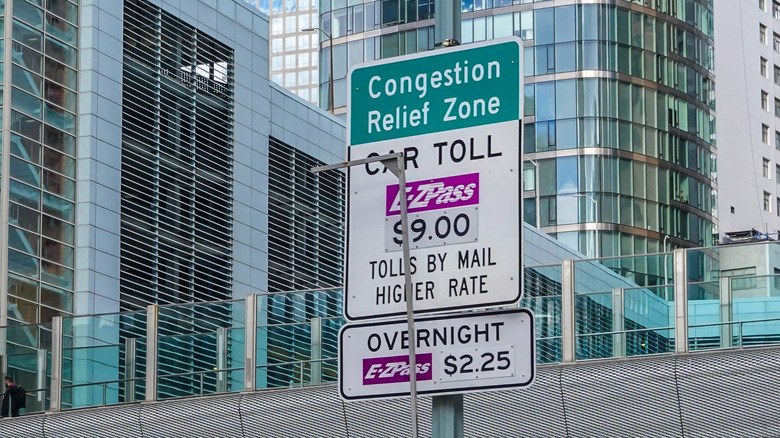
When New York City implemented congestion pricing earlier this year, critics whipped themselves into a white-hot rage almost immediately. They said that the new fee — a full nine dollars a day, a sum that could bankrupt the billionaires that make up the loudest complainers — would hurt low-income New Yorkers, ruin the prospects of mom and pop businesses, and lead us directly into an era of unending crime and trash on the ground. But, as is so often the case, it turns out those fears were overestimated: Congestion pricing has led to an increase in foot traffic for lower Manhattan businesses.
A new report from the New York City Economic Development Corporation shows that congestion pricing cut car traffic into lower Manhattan by 11%, which the EDC estimates to mean about 10 million vehicles that didn't enter the area. Yet, when car traffic dropped, pedestrian traffic increased: The same report shows that 1.3% more workers entered the area than in 2024, and that "leisure visitation" jumped by 2.8%.
Good for everyone

Looking specifically at businesses within the congestion pricing zone, the numbers get even better. EDC claims a 4.8% increase in foot traffic throughout business areas of lower Manhattan, compared to a 1% increase for business areas not affected by congestion pricing. And, as any mom or pop will tell you, foot traffic is absolutely crucial for small businesses. Unless you run a gas station, you're much more likely to make a customer out of someone strolling by than someone in a car out on the street.
While we don't have direct before-and-after comparisons of the exact dollar amounts each business in lower Manhattan made, the numbers we do have are clear: Congestion pricing is good for New York. It's rare that a policy so directly benefits workers, business owners, transit riders, and car drivers all at the same time, but that little nine-dollar fee has manages to be a net good on all sides. And, as far as I've been able to tell, the amount of trash on the ground as remained exactly the same.