

Why You Should Stop Letting Your Fuel Tank Run Low
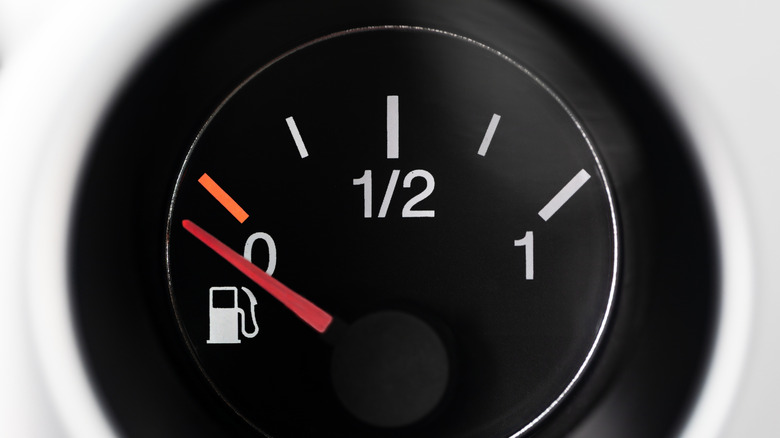
Most of us have at let the fuel tank in our cars run low, but it's a nasty habit you should probably break. It might not cause immediately catastrophic damage to your vehicle if you drive with low fuel levels, but over time, this habit could cause premature wear and tear. And if you run out of fuel entirely, it could cause thousands of dollars worth of damage to your engine or fuel system. Plus, running low fuel levels means you'll have to deal with the anxiety and stress of potentially running dry in an unknown location, miles away from the nearest fuel station.
A good rule to go by when it comes to your fuel level is to never let the indicated level drop below one quarter of the tank. If you can help it, maintaining more than half a tank is ideal to keep the fuel pump cool and in good working order, to prevent sediments from being sucked in, and keep you better prepared for emergencies. Doing so also means you're more likely to have enough fuel to make it through unpredictable weather, long traffic jams, or unexpected re-routing that adds extra mileage to your journey. And if those benefits aren't enough to keep you running higher fuel levels, then the imminent repair costs might change your mind.
How debris can cause damage
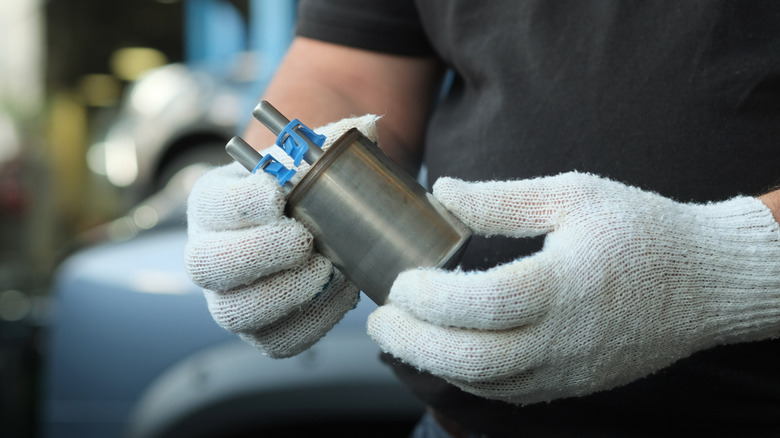
One of the biggest concerns when running a low fuel level is the potential for debris to get sucked into the fuel pump from the bottom of the tank. Unwanted debris from poor-quality fuel often settles at the bottom of your car's fuel tank. Fuel filters are used to keep that debris out of the engine itself, but too much debris can clog a filter. Carbureted engines will typically have the fuel filter in the engine bay, which makes them a bit easier to access and repair/replace, but fuel-injected engines generally have the pump and filter assembly inside the tank, making it much harder to access.
When the fuel filter becomes clogged, the fuel pressure can drop, causing your engine will idle erratically, misfire, and often result in a related check engine light. Regularly driving with a low level of fuel could also overheat the fuel pump and shorten its lifespan. Depending on the make and model of car you own, a fuel pump will cost around $400 to $900 (before factoring in labor), and replacing the injectors could cost between $500 and $2,500.
Risks associated with cold weather
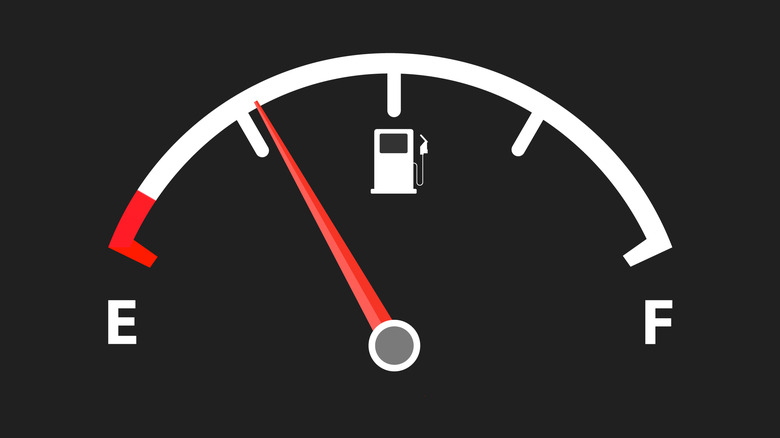
The risks associated with a low fuel level increase when driving in cold weather. Generally, when the fuel warning light turns on, you'll likely have between 2 and 4 gallons of fuel remaining. Depending on the vehicle you drive and your driving style, that fuel could be enough to get home, especially in normal conditions. The unpredictable nature of winter driving could change that, though. When there's a potential snow storm, and roads are closed, you may need to rely on your car's heater overnight. If staying warm and safe depends on the fuel level in your vehicle, you'll want to have as much gas as possible, so check the forecast, and drive prepared.
What's more, low fuel in the gas tank during cold weather increases the chances for condensation to enter the fuel lines. If condensation makes its way into the fuel lines, it could eventually freeze and expand enough to clog the lines. And clogged fuel lines means no gasoline will make it to your engine, preventing the car from running at all.