

Driving With Worn Shocks Or Struts Is A Bad Idea: Here's What Can Happen
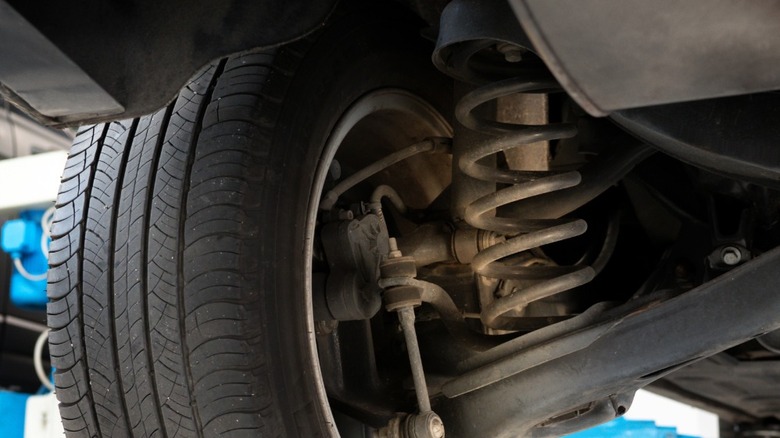
Is your car giving you a rougher ride than usual? Does it seem to bounce more after you hit a bump? Do you hear a creaking noise as you drive down the road? Then you should probably get your shocks or struts inspected by a mechanic (here's the difference between shocks and struts if you're curious). However, that's easier said than done if cash is tight. If you've been squandering your money on frivolous things like food and shelter, you may be tempted to drive on those worn shocks just a little bit longer until you can get the funds together. We get it, but there are multiple reasons why you shouldn't put this repair off for too long.
For one thing, driving on worn shocks or struts can cost you a lot more down the road. When shocks stop absorbing the jolt of bumps, potholes, and rough pavement, other parts have to bear the brunt of those impacts. That means you can expect to replace your tires, brakes, and suspension parts a lot sooner than you would have to otherwise. Your tires are especially vulnerable, since worn shocks or struts can cause your wheels to misalign, and that can lead to uneven tire wear.
Then there's the safety aspect to consider. Misaligned wheels can cause your car to pull to one direction, even into another lane. An extra bouncy ride or reduced traction can make your vehicle hard to control. Worn shocks and struts can even cause your car to take longer to come to a complete stop. A vehicle that has worn-out shocks or struts just isn't safe or even roadworthy in many cases.
It can ruin your tires and suspension
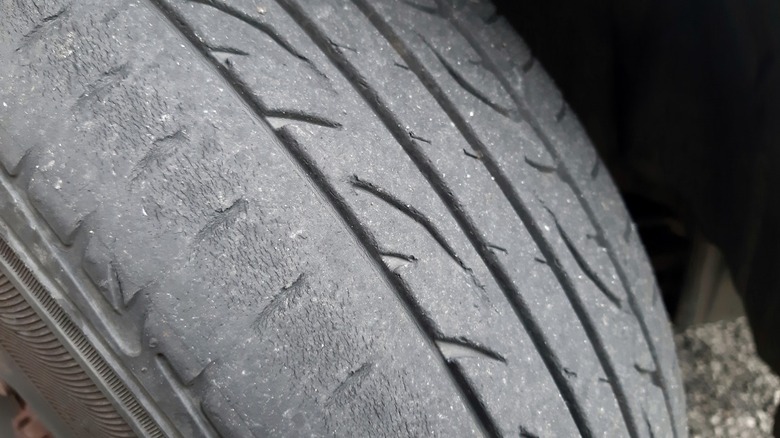
New tires aren't cheap, especially when you factor in the cost to have them installed, balanced, and aligned. We wouldn't want to have to replace them any more frequently than we already do. However, that is exactly the risk you take when you drive on worn shocks or struts. The extra bouncy ride caused by bad shocks means your tires aren't all on the road at the same time or as much as they should be. That causes uneven wear and tear on the tires, sometimes called cupping or scalloping. Suddenly, those 60,000-mile tires need to be replaced at half that distance.
But tires aren't the only victims of shock and strut neglect. Most car parts aren't designed to take the brunt of all of the impacts from bumpy roads and other terrain. That's what shocks and struts are for –- they absorb all of that energy so that the other parts of the car don't have to do so. However, when the shocks and struts can no longer do that because of age and wear, several other components will wear out faster or even break and need to be replaced. The first to take the hit are other parts of the suspension, like the springs, control arms, and bushings. Malfunctioning shocks can also cause wheels to go out of alignment, which can, in turn, cause premature wear on the tires and steering system components. Putting off replacing your shocks or struts can lead to even more costly repairs down the road.
It can take longer to come to a stop
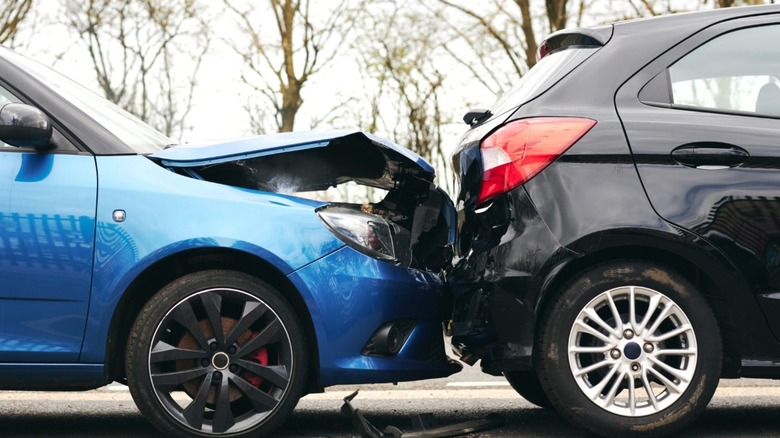
Brakes, wheels, tires, shocks, struts, and the rest of your suspension are all a part of an ecosystem that resides under your car. When one of these components goes down, it affects all of the others. That means when your shocks are worn, it can have a dire effect on how well your vehicle's brakes work. In fact, it can take your car 20 to 30% longer to come to a stop, even when you have new brakes. One of the reasons for that is how your vehicle will tend to nose dive when you try to come to a stop. Your car may lurch forward, shifting weight to the front of the vehicle, making it more difficult to stop completely.
You may think you can mitigate that risk. You'll drive slowly. You'll give vehicles ahead of you plenty of space. You'll be extra vigilant for times when you may need to stop suddenly. You'll do all the things your parent yelled at you for not doing when they were trying to teach you how to drive. You'll be so cautious that if they handed out safe driving awards, you're sure you'd win. However, imagine you're rolling down the street, and a child comes out from in front of a parked car right in front of you. That 20 to 30% is going to make a big difference. You cannot anticipate every scenario in which you may need to stop suddenly, so you need the shortest stopping distance you can get out of your car's brakes. That's why getting your shocks and struts replaced when they are worn is the responsible thing to do.
It can mess up your alignment and steering

Those inflatable bouncy houses they put up at kids' parties seem like fun. We wouldn't know, since some people get kind of funny about random strangers entering their kid's birthday party just to try out the bouncy house. But as fun as bouncy houses look, we wouldn't want to drive one down the road. That's basically what you're doing, however, when you continue to drive on worn shocks or struts. The more your car bounces, the less time your tires spend gripping the road. And the less grip your tires have on the pavement, the less control you have over the vehicle. One really big bump or pothole could take your car right off the road or, worse, over into the opposite lane.
However, worn shocks and struts can also mess up your car's alignment. Suddenly, your wheels are pointing in different directions, or maybe your car is pulling to one side or another. This all makes your vehicle hard to control. Furthermore, cars with worn shocks or struts don't handle curves and turns very well either. When the shocks or struts don't work properly, the vehicle has a tendency to sway or roll a little when going around a curve or taking a turn. This can cause the steering to get sluggish or less responsive when you need it the most. It also increases your chances of rolling over when taking sharp turns.
It is really unsafe

We've already talked about several different ways that worn shocks and struts can make your car dangerous to drive. They mess with brake performance, causing it to take you longer to come to a complete stop. They can ruin the traction on your tires, which also interferes with your ability to come to a quick stop or to control the car effectively. The bouncy ride can also make the car hard to control, especially around turns and curves.
However, did you know that worn shocks or struts can lead to hydroplaning? When worn-out shocks or struts cause uneven wear and prevent your tires from gripping the pavement properly, your tires can't displace the water on a wet road. This can lead to loss of control, and you can easily find yourself in the opposite lane facing oncoming traffic, in a ditch, or fishtailing out of control.
There's also the indirect danger caused by driver fatigue. A bumpy ride is rough on your body overall, which can make you more tired over time. This is especially dangerous on a long road trip, when it can normally be a challenge to stay alert and focused on the road. The danger from driving while tired is real. One study released in 2023 found that fatigued driving is at least partially responsible for around 20% of car accidents. Fatigue can impair a driver much like alcohol, and many motorists are probably more tired than they think they are while driving. We know that times are tough, and it's not easy for a lot of folks to come up with the cash for a repair like replacing shocks. But driving a car with worn shocks or struts is like driving one that has malfunctioning brakes. It's just not worth the risk.
How to tell if you have worn shocks or struts
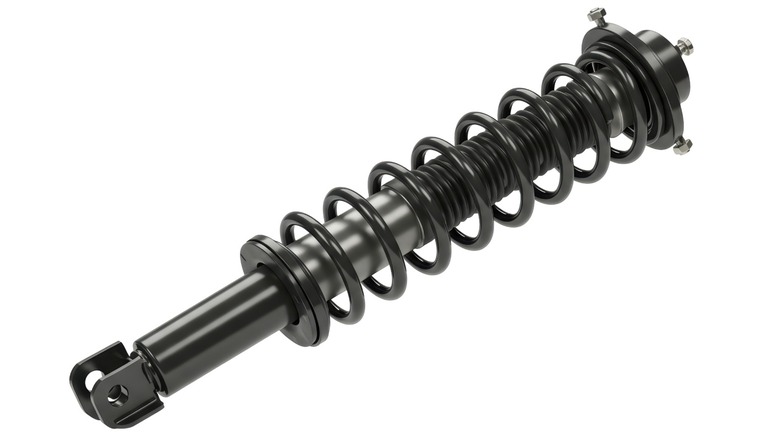
So, how can you tell if it's time to replace those shocks or struts? There are several telltale signs that they are wearing out, and you don't have to be Mr. Goodwrench to see them. For example, does your steering wheel vibrate as you drive? That can be a sign that your shocks or struts are no longer absorbing the impact of the road. Does your car ride rougher or bounce more than usual after hitting a bump? It should only bump once or twice — more than that, and your shocks may be going out. Does your vehicle tend to pull to one side? It could just be an alignment problem, but remember, alignment problems are sometimes caused by worn shocks or struts. Does your car dive or lurch forward when you come to a stop? Does it take longer than usual to come to a stop? Does your vehicle tend to tip or lean more when you make a turn or take a curve, even at a reasonable speed? Does the rear end of the car squat or dip during hard acceleration?
It's wise to listen to your vehicle as well. Worn shocks or struts can sound squeaky, especially on bumpy roads. Sometimes, you'll hear a loud thump or a clunk after hitting a bump or pothole. That can indicate a loose or broken shock absorber. Furthermore, inspect the tread on your tires from time to time. Tread on tires should wear evenly. If the wear is uneven, you may be looking at the effects of worn-out shocks or struts.
Don't put off getting your shocks or struts inspected if you think there may be a problem. Driving on worn shocks or struts can get expensive and dangerous.