

Here's How Much A 2020 Tesla Model Y Has Depreciated In 5 Years
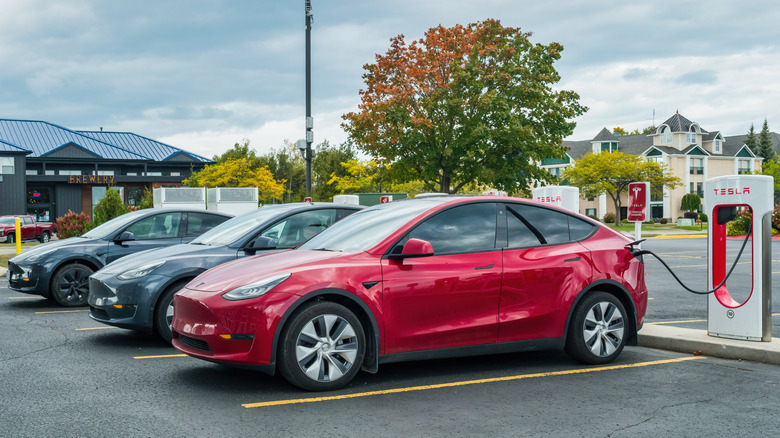
The Tesla Model Y (along with the Model 3) helped bring electric vehicles to the mainstream. In 2020, Tesla sold over 440,000 Model Y and Model 3 units globally combined (the company didn't break out sales by nameplate). That represented over 88% of the automaker's deliveries that year. So, to call the 2020 Model Y popular is an understatement.
Yet, with a five-year depreciation rate of about 60%, the 2020 Model Y proves that sales success doesn't translate into better resale value. To put that number in perspective, iSeeCars estimates a 49.0% depreciation rate for all SUVs over the same period and a 45.5% loss in value across all vehicle types. We're not here to debate what caused plunging prices: questions about reliability, aggressive Tesla price increases, a soft EV market, or Elon Musk's political leanings — take your pick. We're just here to report the facts, ma'am, and it's not a pretty sight.
While 2020 is the Model Y's debut year, it represents another key milestone: a five-year-old automobile that balances pricing and age in the used-car market. For some, this is the sweet spot for buying second-hand vehicles. We'll look at what iSeeCars and CarEdge have to say about depreciation for the 2020 Tesla Model Y and other EVs from the same year.
Five-year depreciation for the 2020 Tesla Model Y
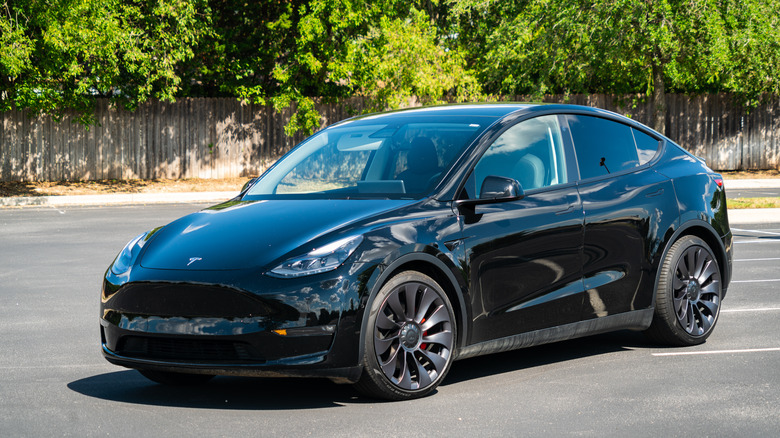
iSeeCars reports a 60.8% depreciation rate for the 2020 Tesla Model Y over five years. In real-world terms, this means a $36,499 loss in value over this term. That works out to about $20 per day, leaving a resale value of $23,491. The data reveal that most of the loss occurs during the first three years, with depreciation reaching 56.1% or $33,653 (about $31 per day). The depreciation forecasts for seven and ten years are 72.3% and 80.1%, respectively. There's no information on whether the refreshed Tesla Model Y changes any of these valuations.
CarEdge shows a near-identical five-year depreciation rate of 61.1%, reaffirming that the Model Y's loss of value isn't a fluke. Meanwhile, the calculations are even worse for three years (58.1%) and seven years (76.2%), but almost match for ten years (80.4%). The CarEdge assessments are based on a good-condition vehicle with an average annual mileage of 13,500. iSeeCars compares marketplace listings to original MSRPs, but doesn't disclose vehicle condition requirements.
How Tesla Model Y depreciation compares to rivals
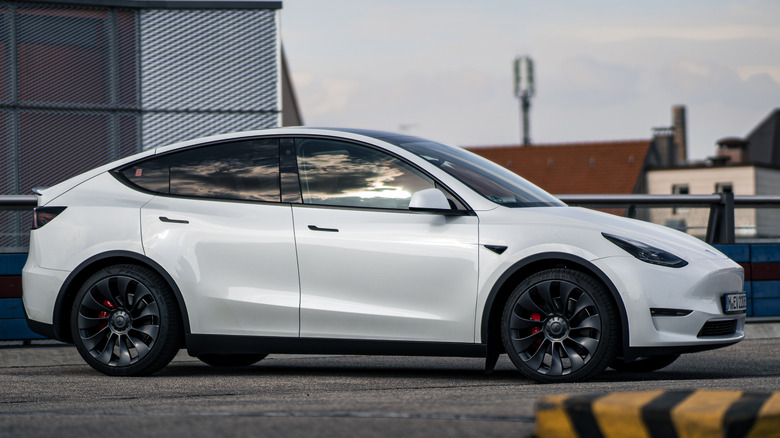
Rewind to 2020, and the EV market was much less crowded than it is today. In terms of range and price, the only real competition to the Model Y was the Model 3 (let's put aside the SUV-versus-sedan debate). According to iSeeCars, a 2020 Tesla Model 3 had 57.0% depreciation over five years, retaining 3.8% more of its original value than the Model Y.
Expanding the definition of EV competition for the 2020 model year, the Jaguar I-Pace has even worse depreciation over five years: 71.9%, per iSeeCars. In 2024, Jalopnik called out that Jaguar's oddball EV could be had for Toyota Camry money. Meanwhile, the Hyundai Kona Electric has a 57.8% depreciation rate, about the same as the Model 3. The Nissan Leaf's five-year decline in value is 64.5%. Neither iSeeCars nor CarEdge tracks depreciation for the Kia Niro EV, but Kelley Blue Book estimates a 64% depreciation rate over just three years.