

Can DIY Oil Changes Void Your Car's Warranty?
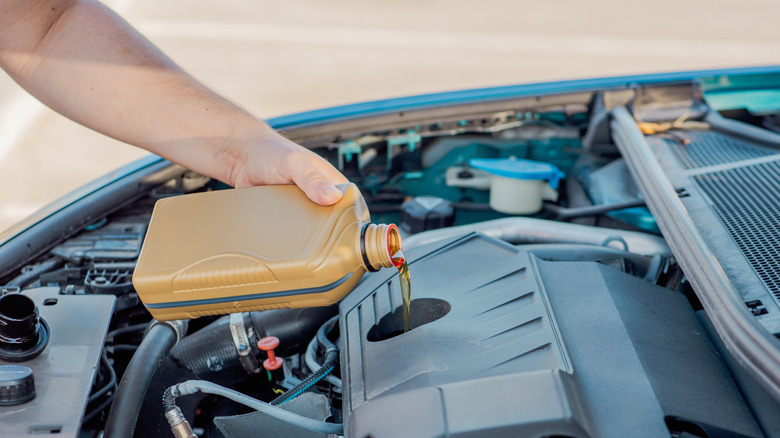
You're in your driveway on a warm Saturday morning, socket wrench in hand, feeling the smug satisfaction of knowing you've outsmarted the dealership's $200 "oil service special." Then comes the warning — maybe a dealership rep, maybe your overconfident uncle — saying that topping off your engine oil could void your warranty. Fortunately, that's not entirely true.
The Magnuson-Moss Warranty Act, a federal law protecting U.S. consumers, states that car manufacturers can't void your warranty just because you didn't use their service department or brand of oil. They can only deny coverage if they prove your handiwork caused the problem. So, if you cross-threaded your oil filter or forgot to tighten the drain plug, yeah, they're off the hook. But a properly done oil change? That's your right as an owner.
Still, the dealership service myth persists. Service advisers love to imply that any wrenching outside their bay is risky business, and that "factory-trained technicians" are the only ones who truly understand 5W-30. And, of course, that shop rates between $130 and $145 mean "peace of mind." Not for your wallet, though. In reality, many DIYers are more careful than the overworked kid behind the dealer's oil gun. The issue isn't competence — it's a matter of having proof. Missing a receipt or can't show when you changed your oil? That's when things get messy.
The fine print (and how not to get burned)

DIY oil changes don't void warranties. Poor recordkeeping can, however. The manufacturer doesn't need to prove you never changed your oil — and oil can go bad from just sitting in your engine — they just need to see a gap wide enough to cast doubt. That's exactly what happened to an Ontario woman after a paperwork mix-up with her oil receipts, as CTV News reported.
To stay protected, you've got to think like a lawyer with a torque wrench. The golden rule is, always use the correct oil and parts in accordance with the owner's manual. Stray from that, and goodbye warranty.
Keep your receipts for oil and filters, write down dates and mileage, note the oil brand, type and quantity, and take videos or photos while you work. Build a maintenance trail so airtight it could survive an audit. That can mean the difference between "responsible owner" and "warranty voided due to negligence."
And let's be real — dealers don't love DIYers. They can't upsell you an air filter replacement if you're changing your own oil. But that tension between independence and control is the heart of modern car ownership. DIYers aren't rebels without a clue; they're enthusiasts refusing to hand over the keys to their own maintenance schedules.
So yes, do your oil changes. Top off that oil. Just keep your paperwork clean and secure, your oil filter tighter than your lawyer's briefcase, and your receipts ready for the day the warranty officers come knocking.