

These Driving Habits Could Cause More Transmission Damage Than You Think
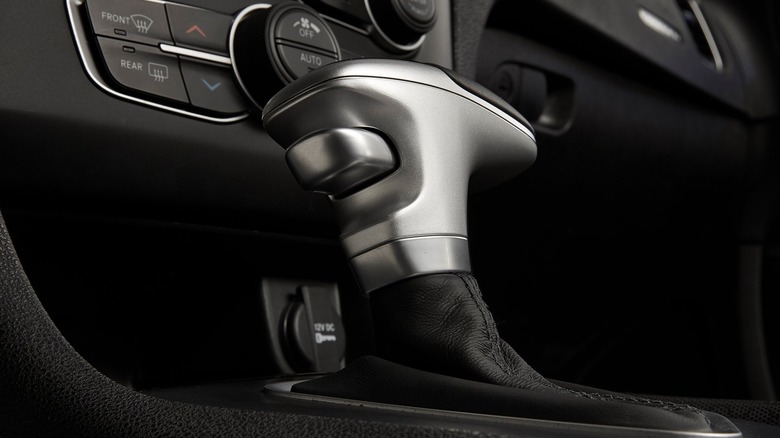
Manual transmissions are wonderful, but these days, they're a rounding error compared to the number of automatic transmissions on the road. And while automatics used to be slower and less fuel-efficient than their three-pedal alternatives, that's no longer the case. As a result, even a lot of performance cars have dropped the manual transmission as an option in favor of traditional torque-converter automatics, dual-clutch automatics or continuously variable transmissions.
Since transmission work is expensive, it's understandable that you'd want to avoid damaging yours, especially unintentionally. The good news is, our old friend Jason Fenske at Engineering Explained made a video a while ago that covers five things you shouldn't do if you want your automatic transmission to last as long as possible. And Jason's an engineer, so you know you can trust him not to steer you wrong. Plus, we have a few more sources to back him up, too.
Coasting in neutral
You might think that by putting your transmission in neutral while going down a long hill, you're saving gas. That may have been true with early automatics, but times change and technology improves. These days, everything is computer, and your car can automatically cut fuel to the engine while going downhill. If one of the screens shows instantaneous fuel economy, you can actually watch your gas mileage skyrocket in real time, too.
Coasting in neutral may not save you any fuel, but it's also slightly more dangerous, since you have to put the car back into drive if you have to accelerate for any reason. Perhaps more importantly, though, depending on the state you live in, there's a good chance it's also illegal. Odds are, you probably won't pass a cop paying close enough attention to ticket you for coasting in neutral, but if you do, that's an extra ticket you'll be on the hook for paying.
Shifting without stopping
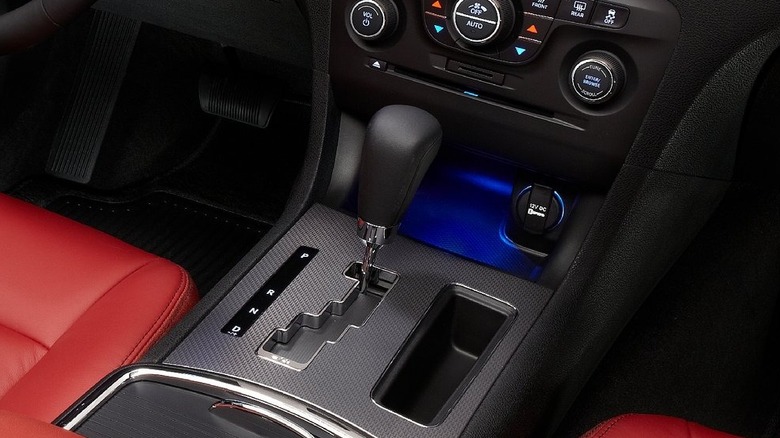
If you've ever been in a hurry before, there's a good chance you've backed out of a parking space and put your car in drive without coming to a complete stop. As long as you're going slow enough, your transmission probably didn't explode on the spot, but that doesn't mean it didn't add unnecessary wear to one expensive-to-replace component. The automatic transmission band is designed to change gears, not stop your vehicle, and while the part itself shouldn't be too expensive, actually swapping the old one out for a new one is far more time-intensive than you might think.
After all, brakes are designed to be changed regularly, and it's a pretty simple process. Transmission work, on the other hand, is more complicated. You'll either spend a lot of time fixing your transmission yourself, or your mechanic will charge you a lot of money to do the work for you. Either way, you're creating a future headache for yourself every time you shift an automatic transmission while the car is still in motion.
Neutral launch
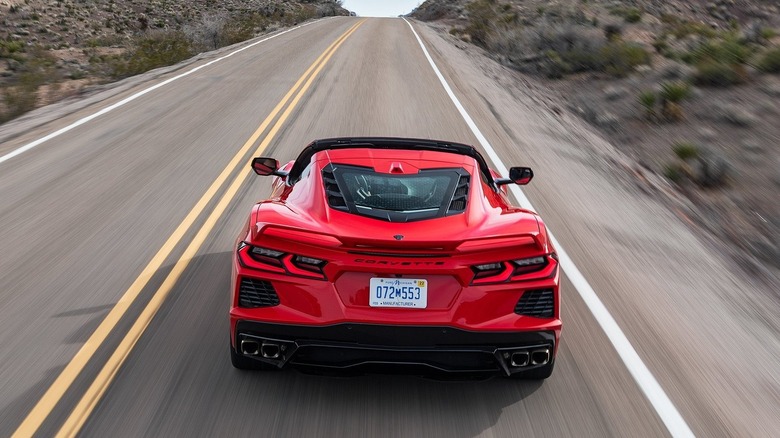
Any time you accelerate hard, you're putting stress on your transmission, but not all hard launches are equally bad for your transmission. In an attempt to launch as hard as possible, some people will put their cars into neutral first, allowing them to rev the engine higher before slamming it into drive. In a modern car with a modern automatic, that's going to cause more slip, not less, while also wearing out your transmission faster.
Instead, if you want to launch your car hard, it's significantly better for the transmission if you hold the brake pedal, press the accelerator and then let your foot off the brake. It still won't be great for your transmission's longevity, but at least that way you're using the transmission the way it was meant to be used. Eventually, on a long enough timeline, all transmissions will need work, but launching from neutral is a great way to make that happen way faster.
Neutral while idling
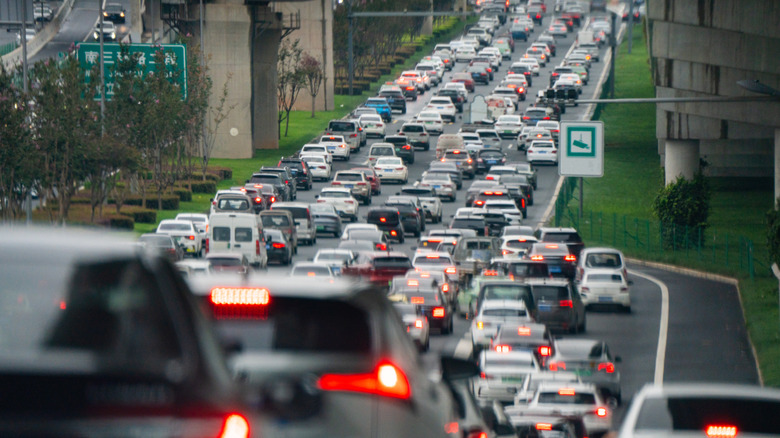
Much like coasting in neutral, some people still insist that shifting their car into neutral while stopped in traffic saves gas and reduces wear on the transmission. It is true that there may be some stress on the transmission while stopped, but it pales in comparison to the amount of stress from any amount of acceleration. So that argument doesn't really hold up.
As for saving gas, good luck measuring anything approaching noticeable fuel savings, much less saving enough fuel to change how much money you spend on gas, even if you spend a lot of time in stop-and-go traffic. Odds are, at least if you drive something modern, your car actually idles at a slightly higher rpm in neutral. Even if that wasn't the case, we're only talking about a difference of a few hundred rpm, and complete stops are typically pretty short. But if you're going to be sitting for a while, and it's safe to do so, you'll save even more money by just turning your car off.
Parking without stopping completely
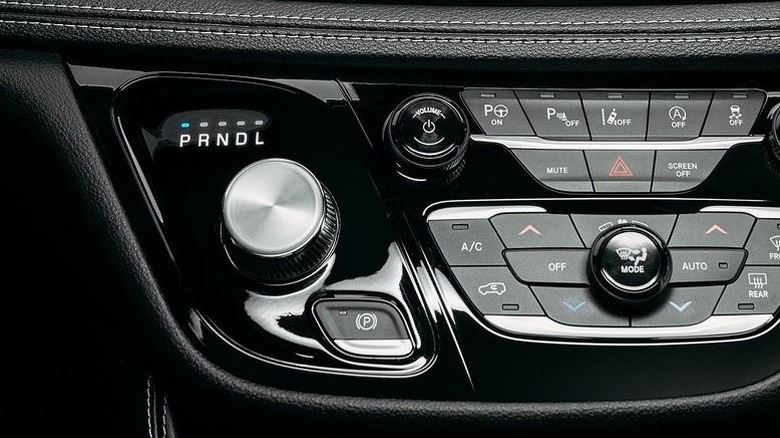
When you put a car in park, it slides a pin into a gear connected to the output shaft that stops it from rotating. That helps keep your wheels from moving, which is something you usually want when you park your car. If the car is moving when you shift into park, you put a lot of stress on that pin and could crack or even break it off.
This forces you to rely on your emergency brake to keep the car parked until you can get it to a shop for an expensive repair. The good news is, unless you have an extremely old car, the computer probably won't let you do this. Automakers have added safeguards that prevent it from happening, so you don't have to worry about blowing up your Chrysler Pacifica's transmission on the highway if you ever accidentally mistake the shift knob for the volume knob.