

What Seam Sealer Does And Why Every Car Needs It
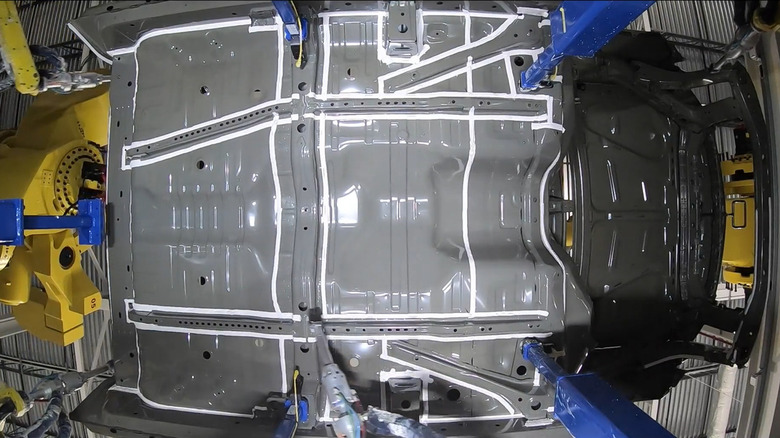
Nobody rolls up to a car meet and brags about seam sealer. Yet without it, your beloved project car would turn into a rolling tetanus shot before you even finished the build. Seam sealer is the quiet workhorse hiding in every modern car, slathered on by factory robots or a body shop tech with a brush. It doesn't sparkle, roar, or add horsepower. You never see it, but seam sealer is keeping your shiny new ride from rotting away faster than a steel bumper in a Michigan winter.
Seam sealer is basically the unsung caulk of the automotive world. It's applied anywhere two panels meet, say, where your rocker panel kisses the floor pan, to close up gaps that welding can't cover. In the old days, shops leaned on tar-like goops or other sealants that were crude at best. Today, manufacturers use advanced urethane polymers and epoxy-based formulas that flex with the car and cling like glue, without cracking as panels expand and contract.
Although seam sealer won't save your chassis in a crash, it will isolate noise and prevent water and salt from creeping into the seams where rust loves to start. It also comes in types and textures: brushable for small fixes, sprayable for wide panels, and even two-part epoxies for long-term durability. Think of it as the invisible shield protecting every weld and seam that makes up your car's body. Admit it, you don't want to deal with cleaning the nasty messes out of a car caused by leaks or gaps that seam sealer was designed to protect.
How much does seam sealer matter?
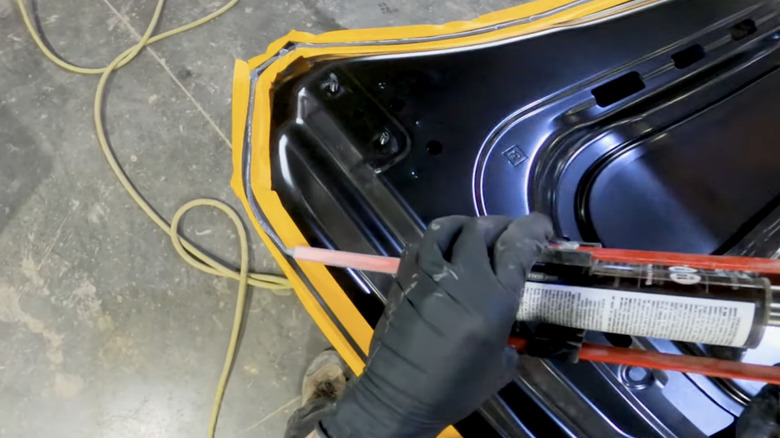
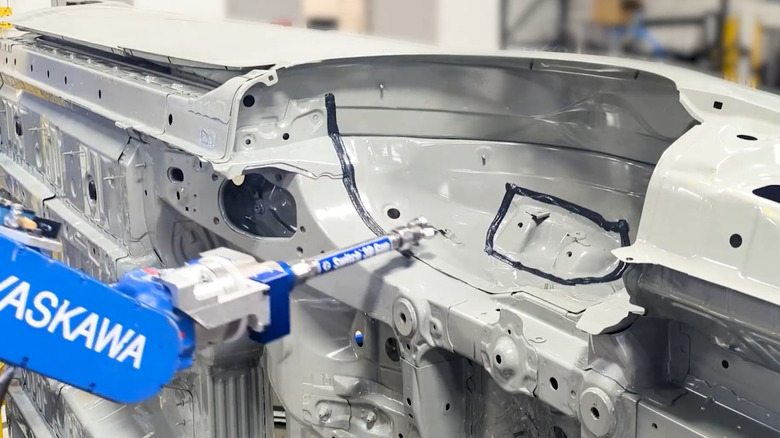
If you've ever seen a stripped-down car shell, you know it's basically a puzzle of stamped metal sheets welded together. Every one of those seams -– roofs, trunks, door frames, wheel wells, and floor pans — needs sealing. That's where seam sealer comes in. Factories don't leave this to chance; they use robotic applicators that lay down perfect beads or smooth spray coats along thousands of cars on an assembly line.
The payoff? Rust prevention, for starters. A car that isn't treated with seam sealer or has unevenly sealed seams is a car that will rot from the inside out, especially in wet or salty regions. It also blocks fumes and smoke, keeping your cabin from smelling like exhaust or cooking your feet like asphalt in the summer. Seam sealer even helps with NVH (industry-speak for noise, vibration, and harshness) by tightening gaps that would otherwise buzz and rattle.
It's a bit like weatherproofing your house: You may never notice it when it's working, but you'll definitely know when it fails. And when it does, you're not just looking at rust — you could be looking at compromised safety and car repairs that are just too much.
The future of seam sealer
Seam sealer is one of those auto-related items you'll never brag about, but it's quietly essential to long-term car ownership. Skip it during a repair, and the corrosion clock starts ticking, damaging seams faster than you think. Check if your car is wet inside after it rains. If the seam sealer isn't where it needs to be, you might have an indoor pool in the cabin. Body shops know this well. A proper reseal after panel replacement is as critical as the paint itself. Leaving your car's skeleton exposed to the elements will lead to more damage and additional costly repairs.
Manufacturers, meanwhile, are pushing seam sealing tech forward. Epoxy-based compounds are now tougher and longer-lasting than traditional materials, while automated application ensures every seam is covered with precision. Innovations like seam sealing tapes are catching on. There's even a sustainability angle. New formulas are being designed to reduce Volatile Organic Compounds (VOCs) and improve recyclability in the global push toward greener manufacturing.
Seam sealer isn't glamorous. You'll never see it on a spec sheet or a marketing brochure, but forgo it, and your car will creak, leak, stink, and dissolve around you. It's the invisible safety net keeping modern cars quiet, airtight, and most importantly, alive long enough for their owners to gripe about the infotainment system instead of body rust.