

Should You Lift Your Truck? Pros, Cons, And What To Expect
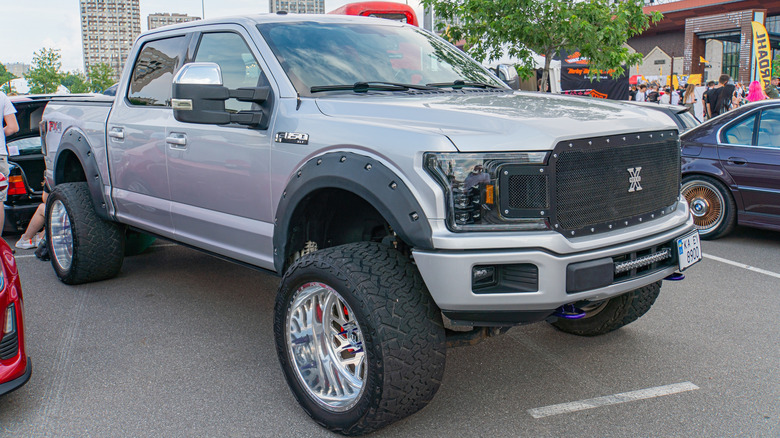
If you own a truck, there's a good chance that you've thought about lifting it. After all, who doesn't like the coolness that a lifted truck exudes? That thought is often followed by a lot of questions, though. Is it safe? Will it mess up the truck's handling? Is it expensive? We will answer these questions starting with a simple one: Why lift your truck at all? In a nutshell, you lift your truck to improve its ground clearance. That extra clearance helps if you drive off road often, by allowing your truck to clear large obstacles like logs and rocks without damaging its undercarriage.
While lift height can vary greatly, there are two main ways to lift your truck. You can either go with a body lift or a suspension lift. Body lift kits are only available for body-on-frame vehicles. These kits involve adding spacers between the body and the frame to boost the vehicle's height. While body lifts are simple and relatively inexpensive, they do not increase ground clearance without also adding larger tires, and there is a limit to how much they can increase your ride height. Body lifts also raise your vehicle's center of gravity, which can affect the truck's dynamics.
On the other hand, suspension lifts improve your truck's ground clearance because they raise the truck from the axles, which means your body and frame are lifted as well. They also allows you to install larger tires without worrying about clearance issues. That said, suspension lift kits are expensive, as you have to replace most of your suspension components.
Benefits of lifting your truck
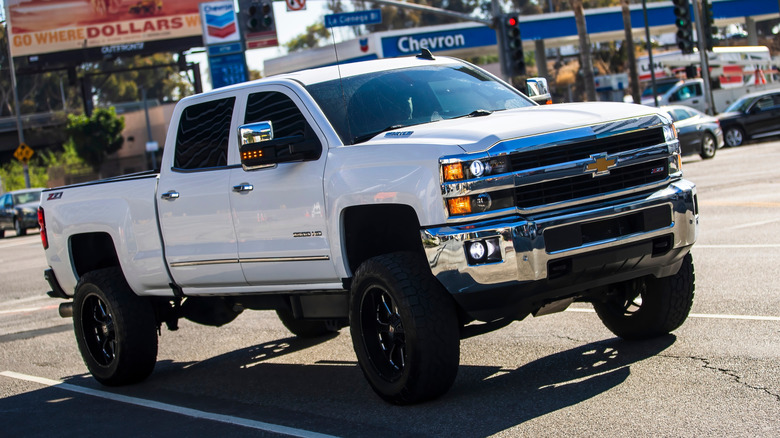
Lifting your truck can provide a few benefits. Higher ground clearance means your truck is more capable while off-roading. It can also help your ride tackle harsh weather conditions. A lift can be especially beneficial if you live somewhere with severe snowstorms or lots of sand. That said, you may still need winter tires to tackle snowstorms.
Suspension lifts give you better suspension travel and articulation, leading to better performance in off-road terrain. The improved suspension travel allows your truck to handle ruts and potholes without transferring shocks to the occupants. A lift lets you sit higher up, giving you a better view of your surroundings and making for a clearer and safer drive. Another small advantage of a lifted vehicle is easy access to the undercarriage, making it simple to inspect, wash, or even perform repairs beneath your truck.
Lifting your truck opens it up to customization options, too. You can opt for better-looking, bigger wheels that transform your ride's appearance. It also helps while towing. Towing a heavy load with your stock suspension could cause the truck to bottom out in the rear end. With a lift kit, there is more space for your truck's body to sag before it bottoms out, helping you maintain control and prevent undercarriage damage. Using a high-quality suspension lift kit with heavy-duty shocks can also improve your truck's hauling and towing capabilities. Overall, lifting your truck improves its aesthetics, capabilities, and practicality, which, consequently, can increase its resale value.
Cons of lifting your truck
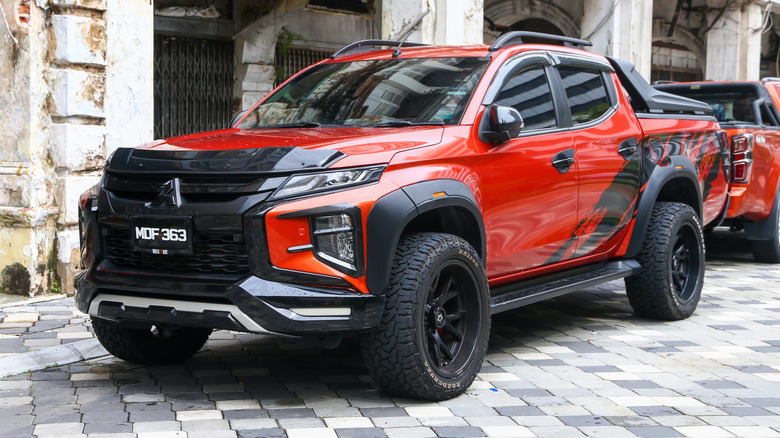
While there are good reasons to lift your truck, there are also reasons why you shouldn't. One of the major drawbacks of a lift kit is its effect on handling. Lifting a truck raises its center of gravity. This makes it less stable at highway speeds and also increases the chances of a rollover. Another negative is the reduced fuel economy. Lifting your truck entails adding components to it, which often adds weight. If you are going for larger, wider tires, they increase drag. Together, these factors negatively influence your truck's gas mileage.
You also have to worry about regulations. Some states have a bumper and headlight height limit, and exceeding that limit could attract a fine. Another thing to worry about is enclosed spaces. Some enclosed parking lots have height restrictions that limit where you can park your vehicle. If you have a newer truck, lifting it could void your warranty. A lift can put extra strain on certain suspension and driveline components, which can lead to increased wear over time. Also, the higher you lift your truck, the more difficult it will be to climb into the cab.
While lifting your truck can improve your view of the road, it can also create large blind spots. Lifting your ride can make it difficult to see vehicles and pedestrians directly in front of or behind you, or even right beside you. In the case of towing, a suspension lift helps with sag but also boosts the frame height, increasing the height of the tow hitch. This necessitates a drop hitch, which can affect your truck's maximum towing capacity.
Why lift your truck?
People lift their trucks for various reasons, ranging from cool looks to practical needs. A lifted truck — or even a lifted Miata — makes a lot of sense if you work or travel in challenging terrains that require a capable vehicle. These places include farms, hunting grounds, construction sites, and off-road trails.
If you are an adventurer who loves driving and camping in remote places, or an outdoor enthusiast heading to your favorite hunting and fishing spots in the forest, it helps to have a lifted truck. A lift also helps if you live somewhere that's prone to floods and landslides, as the truck's extra ground clearance can help you get out of a sticky mess.
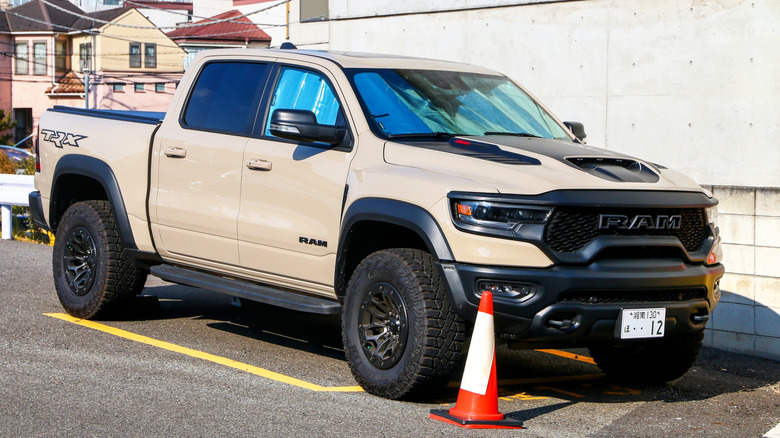
Having a lifted work truck can help you get to remote job sites that are normally accessible only by larger, industrial vehicles. You can also haul your tools and workplace supplies in your truck, saving transportation costs. The applications of a lifted truck are so diverse that some automakers even offer factory-fitted lift kits. For example, the Chevrolet Colorado ZR2, Ford F-150 Raptor, Dodge Ram TRX, and Toyota Tacoma TRD Pro all come lifted from the factory.
What to expect with a lifted truck?
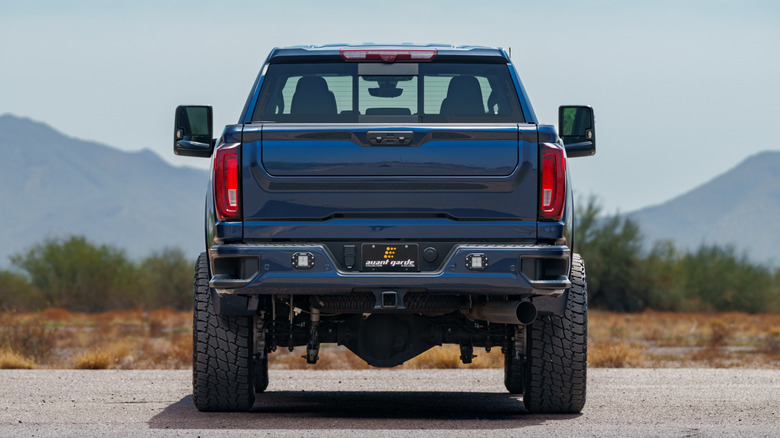
So, you decided to take the leap and lift your truck. However, before you dive into the modifications, there are some factors to consider. First, you need to establish a budget. Depending on the lift you have in mind, your costs can be anywhere from $400 to $20,000. Going for a factory-lifted truck saves you from worrying about warranty, but it limits your options. There are a lot of aftermarket lift specialists that offer their own warranties for lift components. That said, lifting your vehicle counts as a modification and comes with risks of wear and tear. It is a good idea to keep money aside for potential suspension and driveline repairs. Also, check to see if lifting your truck affects your insurance costs, as owning a lifted vehicle could affect your premiums.
Next, you need to decide how much you want to lift your truck. A 3-inch lift is pretty standard. On the other hand, a 6 to 8-inch lift looks cool, but it can compromise your truck's dynamics, while also greatly amplifying your vehicle's blind spots. Furthermore, a taller stance means your lifted truck will handle differently from your stock ride, and you may also notice reduced gas mileage.
Check for regulations in your area that limit the bumper and headlight height limits. Also, check if your parking space can accommodate a lifted truck, especially if it's a covered one. A lifted truck isn't just a truck — it's a lifestyle.