

McLaren's Ingenious Design For Cooling Its Formula 1 Brakes (And Why It Got Banned)
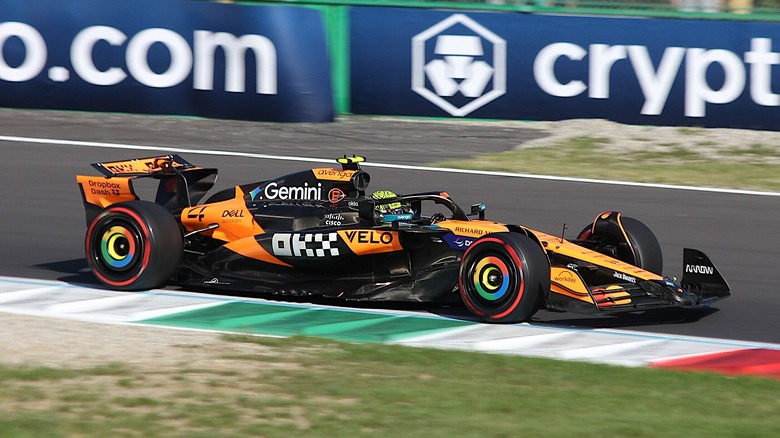
Aside from the competitive element, Formula 1 is regarded by many as the toughest motorsport in the world, due to the extreme combination of g-forces, heat, and noise the drivers are subject to. And then there's the mental capacity required to drive at the absolute limit for anywhere from one and a half to two hours — or sometimes even longer.
Beyond the hardship, the main reason Formula 1 is thought of as the absolute zenith is because of the innovations it brings. Teams have to constantly think of new and better ways to extract speed, grip, and efficiency from their cars, especially because periodic downsizing means that Formula 1 engines went from V12s to V6s.
A good example is the ingenious brake-cooling system McLaren used on its MCL39. In essence, the manufacturer found a way to feed an extra layer of cool air through to the rear brakes, which not only keeps the discs cooler, but helps extend rear tire life. It is just one of the reasons Lando Norris became an F1 champion in 2025.
However, the design also came under intense scrutiny from rival teams, who called foul play. The FIA did intervene and launch an investigation, eventually ruling McLaren's work legal. However, it also tweaked the regulations around cooling slightly, which means that teams looking to develop any nifty tricks to keep components cool — e.g., what McLaren invented — may find it more difficult to do so from 2026 onward.
How did the brakes work?
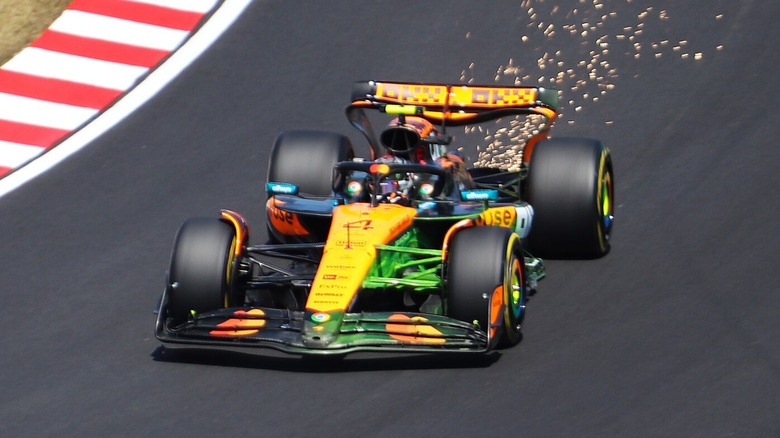
If you didn't know, the brakes on a Formula 1 car can get pretty warm, like over 1,800 degrees Fahrenheit warm. That's hot enough to melt bronze. So, keeping them cool is imperative for many reasons: stopping the loss of tire grip, preventing the deterioration of vital brake components, and even avoiding a total brake system failure, any of which could be catastrophic.
But more than just ensuring safety, Formula 1 teams see this as a window of opportunity. Many try to experiment with their brake disc and caliper setup by adjusting the level of exposure they have, optimizing airflow routes to the sections that get hottest. With the MCL39, McLaren almost completely enveloped the brakes with ceramic-coated carbon fiber and devised intelligent circular airflow routes through the brake ducts.
The result? Well, Red Bull managed to get hold of some images of the MCL39's brakes at the 2025 Japanese Grand Prix and found its brakes were significantly cooler than rivals'. This is what eventually led to the FIA's investigation and subsequent regulation change. It's a shame, because such ingenuity should really be championed, not tamped down.
What notable Formula 1 inventions have been banned before?
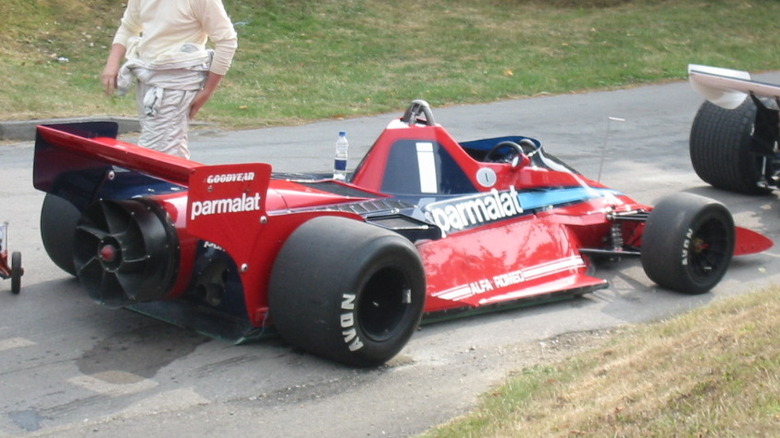
The MCL39's brakes are cool and all (no pun intended), but Formula 1 has seen far more outrageous developments before. Just take the Brabham BT46B. In a similar vein to the GMA T.50s Niki Lauda with its absurdly big diffuser, the BT46B deployed a huge rear-mounted fan to suction the car to the ground. It raced just once, at the 1978 Swedish Grand Prix, and stormed to victory at the masterful hands of, ironically, the late Niki Lauda. The BT46B was then retired from duties, as Brabham felt the design would eventually be outlawed.
Or, how about the Williams FW14B? It was one of the most advanced cars on the grid during the early '90s and featured many intelligent systems like a semi-automatic gearbox and traction control, but the crown jewel was its active suspension. It allowed the car to constantly shuffle its ride height, maximizing downforce in response to corners and optimizing drag on long straights. It did, however, pose some problems.
If anything were to go wrong, especially around a complex, high-speed corner, it would be very difficult for the drivers to wrestle the FW14B back. It relied heavily on its complex systems to work, so this raised serious concerns about driver safety. Williams did attempt to engineer a failsafe, but the FIA banned the active suspension in 1993 anyway. So, what are your wildest ideas for innovations that could change Formula 1?