

California Starts New Plate Sequence After 46 Year Run Comes To An End
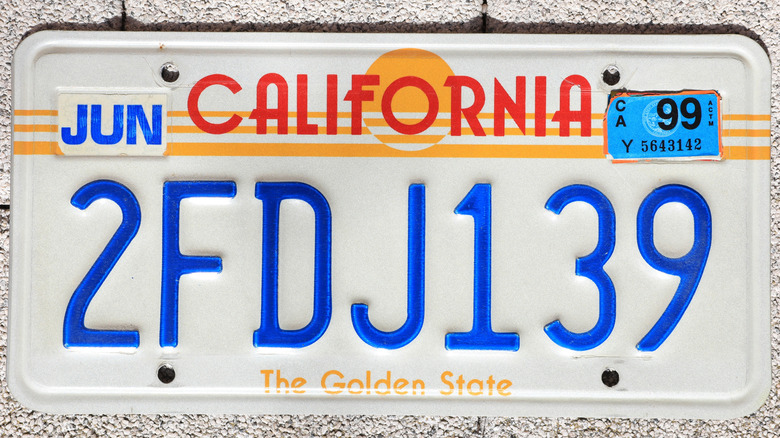
All good things must come to an end, even if it's an unbearable loss like the death of a favorite brand or car. For California's streets this meant an end to the state's iconic license plate sequence as the final possible number and letter combination was stamped earlier this year. As NBCLA reports, changes have come with a new plate already making it onto new California vehicles.
California license plates have started with one number, followed by three letters and three numbers, since 1980. Even with over 100 million plate combinations possible, the state still managed to run out of numbers in that particular sequence after 46 years. Ronald Ongtoaboc, spokesperson for the state Department of Motor Vehicles told the Los Angeles Times that the final plate, 9ZZZ999 was printed earlier this year. Though the plates haven't been printed with the old combination in some time, the department still has about 110,000 plates with the prior sequence left to issue.
The new license plate format has been pressed and distributed to DMVs across the state, consisting of the reverse of the prior sequence, with three numbers, three letters and ending with a number, formatted like 000AAA0. Ongtoaboc says this new combination should also provide more than 100 million plate combinations to last the next 40 years, based on historical data.
A 2 in nearly 2 million chance to get the last or first plate
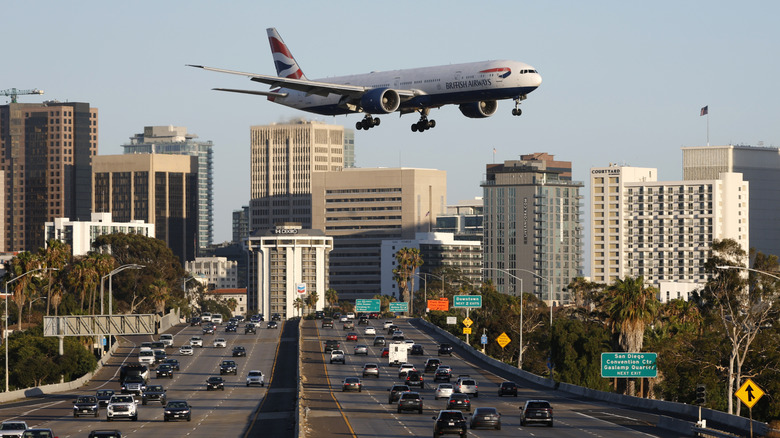
According to the DMV nearly 35 million vehicles (passenger, trucks and trailers) were registered in California in 2025, which all use the same standard 12-inch by 6-inch license plate with the sequence. Not all of these registered vehicles would require a new plate though. California license plates typically remain with the vehicle they were issued to, unless a request is made to keep it (say for personalized plates, etc). California's New Car Dealers Association said approximately 1.8 million new passenger vehicles were purchased and registered in 2025, providing some semblance for how many new plates the state might go through in a given year.
Every one of those license plates is still made by a prisoner at Folsom State Prison through a partnership between the DMV and California's Correctional Training and Rehabilitation Authority. The program provides a work assignment for at least 100 inmates who produce about 45,000-50,000 aluminum plates a day.
Meanwhile, Californians looking to purchase a new car in the next while still have a chance to get the last plate of the iconic sequence, or the very first of the new sequence. Neither have been registered to a new vehicle as of this writing. As to how you'd time it correctly or what DMV you'd have to go to in order to receive either is another thing. But if a lucky Jalop gets it, you should most definitely let us know.