

Trump Tariffs On Canada Will Hit Toyota And Honda Hardest
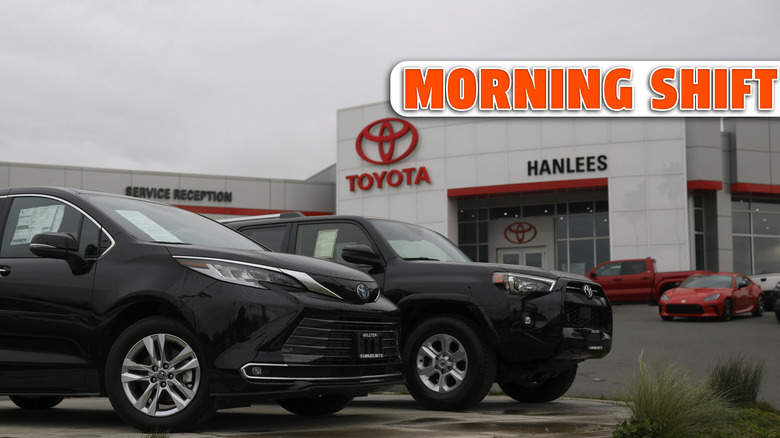
Happy Monday! It's August 31, 2026, and this is The Morning Shift — your daily roundup of the top automotive headlines from around the world, in one place. This is where you'll find the most important stories that are shaping the way Americans drive and get around.
In this morning's edition, we're looking at fallout at Toyota and Honda from tariffs on Canada, and Volkswagen's union workers in Germany putting up a fight against cuts. We'll also look at Nissan and Honda's latest collaboration, and the state of the lithium market.
If you'd like a recap of the latest auto news sent to your inbox each weekday, you can sign up for Jalopnik's free Morning Shift newsletter here.
1st Gear: Toyota and Honda face the brunt of tariffs on Canada
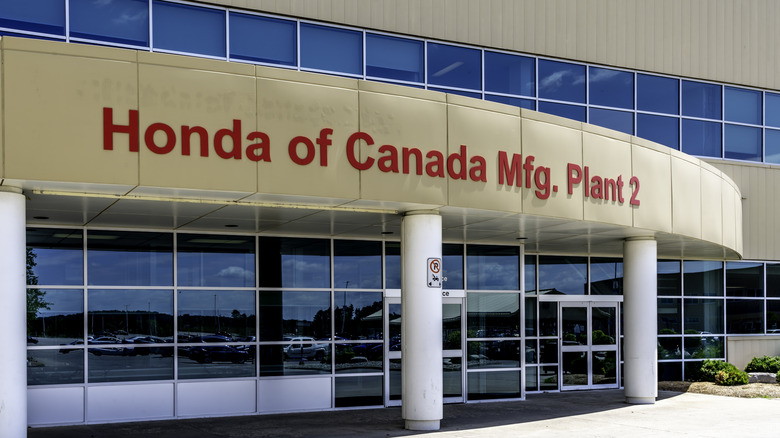
Not content with trade wars against our more distant allies, the Trump administration has now spun up a trade war against our closest neighbors. Unfortunately for that war, years of cooperation between the U.S. and Canada have meant that companies have long set up cross-border shops — and now, those companies will have to reckon with wild pricing swings. From Automotive News:
U.S. President Donald Trump is targeting Ottawa with a proposed 50 percent tariff on Canadian car imports — but Japan's Toyota and Honda may end up footing the bill.
The two Japanese automakers account for more than three-quarters of all cars made in Canada. They could be forced to shutter some production lines if the tariffs go into effect on January 1 as proposed, analysts said.
While a deal could still be reached, the timing of the U.S. tariffs couldn't be worse, as Japanese automakers are being stung by competition from low-cost Chinese EVs in markets such as Southeast Asia, Europe and Latin America.
The United States remains Toyota and Honda's biggest market and, crucially, one where Chinese rivals such as BYD are not allowed in.
Canadian-built cars accounted for almost a quarter of Honda's U.S. sales and 17 percent of Toyota's last year, the most among major automakers, according to Barclays analysts. As a result, the two face the biggest potential hit from Trump's plan to double the levies from the current 25 percent.
"If you really wanted to destroy the Canadian auto industry, you could with these tariffs," said Julie Boote, autos analyst at Pelham Smithers Associates in London.
Both companies would likely have to close some of their Canadian assembly lines, she said.
Remember when Akio Toyoda hosted a NASCAR event at Fuji Speedway while wearing a Trump-Vance shirt? I wonder if he feels that's aged well.
2nd Gear: German Volkswagen workers warn the company against reneging on union deal
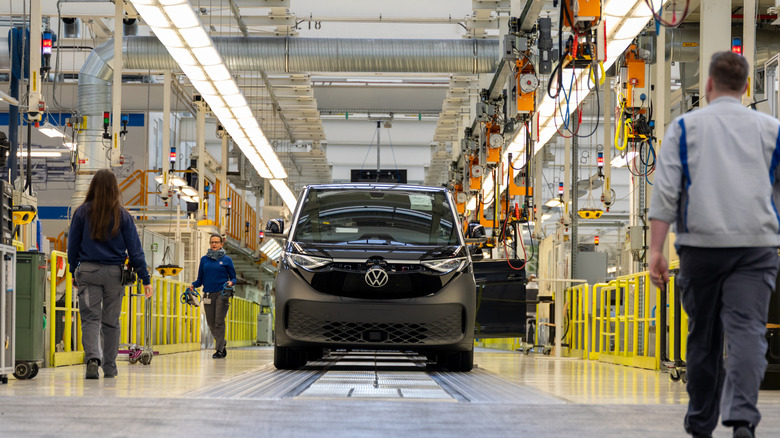
Volkswagen CEO Oliver Blume wants to cut the company's costs, paring down its factories and workers until little remains. The workers are, as one might imagine, not super stoked about this. They're saying such a move would be in conflict with prior agreements between the company and union IG Metall, and they'll pull out all the stops to prevent layoffs. From Reuters:
FRANKFURT, Aug 31 (Reuters) – Germany's largest union, IG Metall, on Monday warned of maximum resistance to any efforts by Volkswagen to unwind a previously agreed restructuring package, stopping short of threatening strikes ahead of a crucial board meeting at the end of the week.
Volkswagen's management and unions have been trading blows since July over what could become the automaker's biggest overhaul to date and include plant closures, the carve-out of some divisions and another 50,000 layoffs.
This would come less than two years after the most recent package was agreed, which followed months of crunch talks as well as warning strikes as Europe's top carmaker tries to tackle tariffs, Asian rivals and a weak Chinese market.
"I can only warn you: If the board tries to call this agreement into question again, then the factory floors will be up in arms at all our sites," Thorsten Groeger told workers at a staff gathering in Hanover, one of the sites that faces closure.
I'm firmly on the side of the workers here. If you promise people a job, work in a restructuring agreement that you're willing to sign off on, you shouldn't pull the rug from under them.
3rd Gear: Nissan and Honda get back in bed together
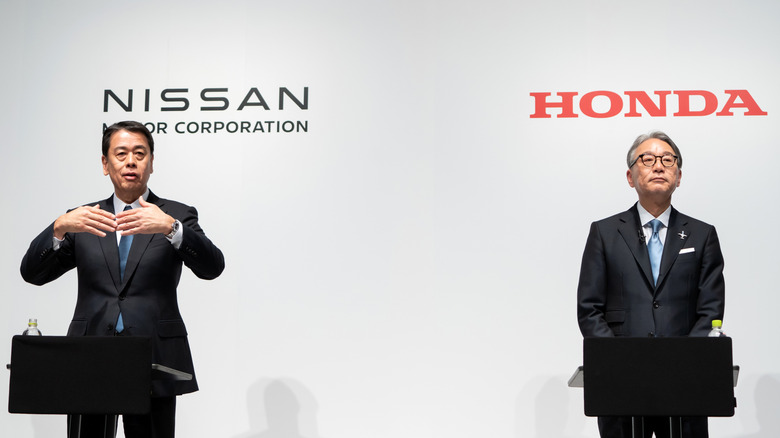
Nissan and Honda may no longer be merging, but the two companies still seem interested in splitting costs. This is especially true for software, which typically isn't the core competency of an automaker. From the Wall Street Journal:
Nissan Motor and Honda Motor have agreed to jointly develop key systems and software that form the core of next-generation vehicles, after a planned merger fell through last year.
The Japanese automakers said Monday that they signed a joint development agreement and aim to adopt the architecture incorporating the jointly developed systems and software in their vehicles from the fiscal year starting in April 2029.
By standardizing these technologies, Nissan and Honda aim to leverage their combined engineering expertise and resources to improve competitiveness through reduced development costs and greater economies of scale, the two companies said.
I know couples like this in Brooklyn, who announce they're getting together before breaking up but never fully leaving each other's lives. Always works out great.
4th Gear: Everyone wants lithium, but not for EVs
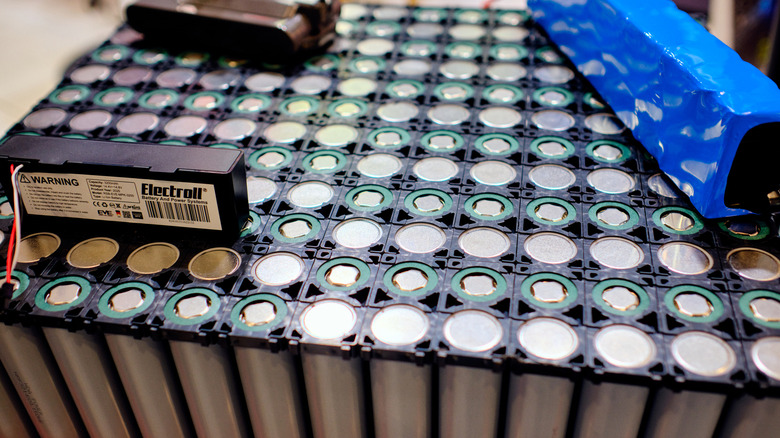
As electric vehicle sales have surged, so has interest in lithium — a core component of batteries. With EV interest tapering off in the huge market that is the United States, one might imagine lithium prices to be dropping, but one would be wrong. Instead, datacenters have driven even further demand. From Bloomberg:
Lithium producers from China to Australia have posted bumper profits as demand from the fast-growing energy storage sector boosted prices for the battery metal.
Major Chinese producers Tianqi Lithium Corp. and Ganfeng Lithium Group Co. each reported their strongest net income in three years for the first half of the year, with the former forecasting a tight market for the rest of 2026 due to increasing demand and "disruptive factors" for supply.
China's globally-watched spot price for the battery material surged 22% over the first half as energy storage emerged as a meaningful demand source due to the growth of data centers and renewable power. This comes after the lithium market had been volatile for several years due to a rapid build-out of supply.
Datacenters need stable power, and stable power can come from batteries in the form of uninterruptible power supplies. Those need lithium like anything else, so here's hoping we don't geta Rampocalypse for EV batteries.
Reverse: The proto-Aptera
The Fuel Up
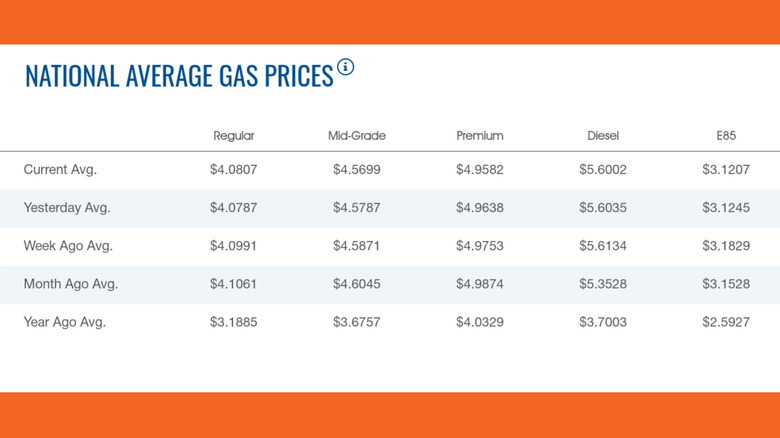
From the high seven cent range to the low eights. Will society ever recover?
On The Radio: Gorillaz - 'The Mountain'
I've been having a great time with this record recently, especially with the first, sort of overture track.