

American Drivers Think Speeding Is Okay Because Everyone Else Is Doing It
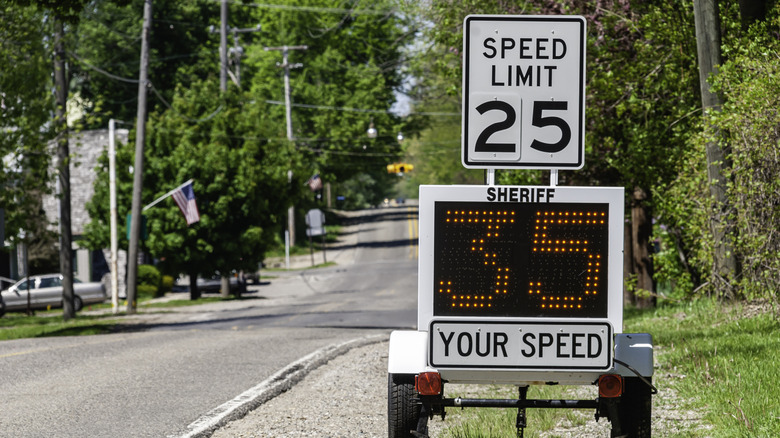
What's a little speeding to you? To the rest of America, and some U.S. officials, it's seemingly not a big deal. According to a new AAA study, three out of ten American drivers said speeding is perfectly normal and no one actually drives the speed limit anymore. Yet additional studies have shown that mentality behind the wheel comes with deadly consequences.
These speedy drivers, surveyed through focus groups and questionnaires conducted by the AAA Foundation for Traffic Safety, said that they tend to drive a little faster because they needed to get around a slower car, don't want to hold up traffic, or an admitted favorite by Jalopnik readers: wanted to beat the estimated travel time on their travel app. Many of these drivers claimed that speeding is just the answer to keeping up with the general flow of traffic as everyone is speeding. A commonplace example where you could find this is city areas where posted speed limits in business loops might be 45-55 mph, but the area's drivers typically run closer to 70-80 mph. That or quiet rural two-lane roads with unposted speeds where everyone seemingly does 60 mph.
Another common reason for drivers overtaking the speed limit was simply because they could get away with it because no one is around to hold them accountable or law enforcement typically won't come after them if their speed is anywhere below 10-12 mph over the speed limit. If you won't be pulled over or punished, what's a little extra 5 or 10 mph on the clock?
With greater speeds come greater dangers, and deaths
Yet studies show that with greater speeds come greater dangers and a steep increase in traffic fatalities. In 2023, the National Highway Traffic Safety Administration found that almost one-third, about 29 percent of traffic deaths, involved excessive speeding. In an Insurance Institute for Highway Safety study, fatalities on rural interstates "increased 25-30 percent when states began increasing speed limits from 55 to 65 in 1987. In 1989, about two-thirds of this increase — 400 deaths — was attributed to increased speed and the rest to increased travel." Another IIHS study found that an additional 37,000 people died in 1998-2017 after states increased the maximum speed limit by only 5 mph.
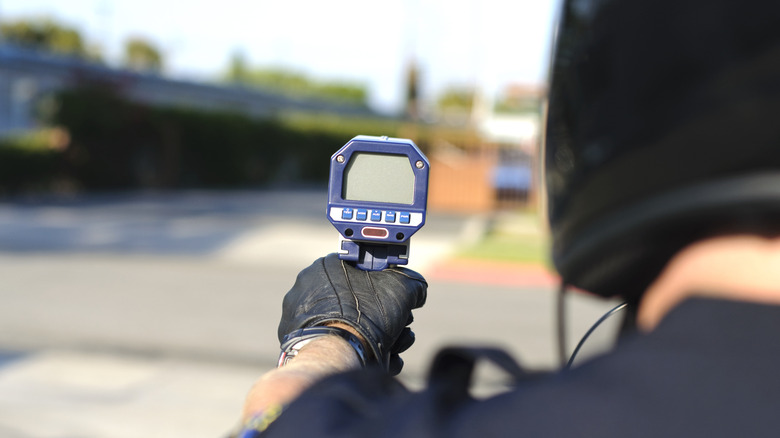
That information doesn't seem to deter drivers from speeding though. And it'll take a lot more to make them stop. The AAA study found that the only things that would get these drivers to slow down is law enforcement presence — as made obvious on the road by the sea of red brake lights when a police vehicle is spotted in the vicinity. They'd also slow down for crashes and in bad weather.
Ironically, 87 percent of surveyed drivers support an increase of law enforcement in areas that have had a history of speed-related crashes and 88 percent said they'd welcome increased enforcement in areas that had the potential for speed-related crashes. This also included speed enforcement cameras. But don't take away their right to speed. You can catch them speeding but drivers were opposed to devices or technology that would actively limit their ability to speed, and installations of things like speed humps that would actively make drivers slow down, lest you feel like destroying your suspension or sending your car into the air like these cars in Fresno.