

Polestar Started As A Volvo Touring Car Team Called Flash Engineering
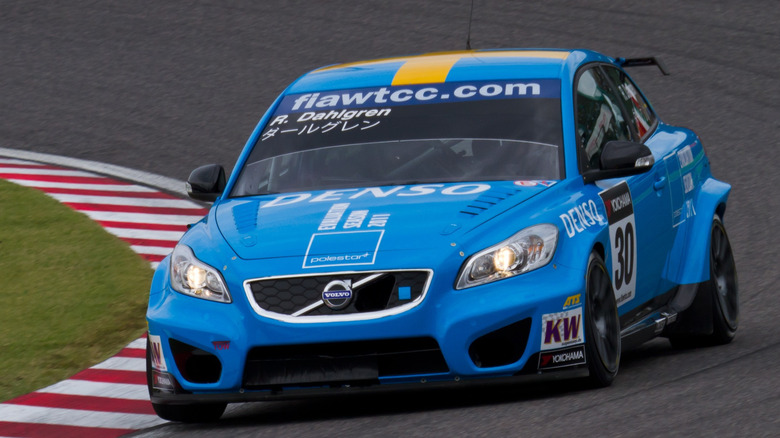
Today, Polestar is an independent electric vehicle brand selling innovative models in over two dozen markets. But twenty-five years ago, Polestar was a one-person Swedish touring car operation with a Volvo 850, a nickname, and a new racing series to conquer.
The Swedish Touring Car Championship ran its inaugural season in 1996. Jan Nilsson — a Formula Ford and Formula 3 vet who earned the nickname "Flash" — saw the opportunity and founded Flash Engineering. Volvo provided factory support and vehicles while Nilsson was the team's sole driver. Jan Nilsson won the championship in the STCC's inaugural season and then again the following year. He also added four runner-up finishes through 2003. With Volvo at the helm, Flash Engineering accumulated over 100 wins across 9 seasons.
In 2004, Nilsson would sell his stake in Flash Engineering to Christian Dahl, who had joined the team as chief mechanic three years earlier. Dahl renamed the company to Polestar the next year — the name represents both Sweden's geography, "the polar star of the frozen north," and the team's pole position ambition.
From racetrack to road
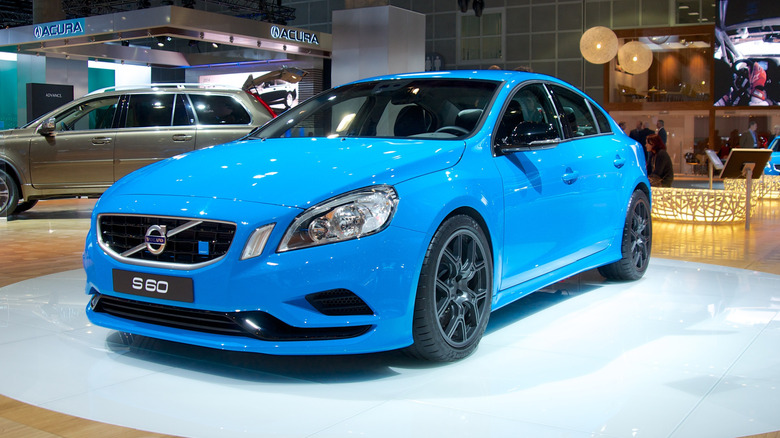
Polestar's pivot toward road cars began in 2009, the same year Robert Dahlgren won the STCC driver's championship in the Volvo C30 while Polestar took home the constructor's title in '10. Off the back of that success, Polestar became Volvo's performance partner, providing tuning and upgrades for production Volvos — the first time the company reached beyond the racetrack. The C30 Polestar Concept — 405 horsepower, 0-60 in 4.6 seconds, all-wheel drive — demonstrated what the company could do with a production platform, while a limited run of 100 tuned Volvo S60s were sold in Australia, marking Polestar's first production vehicle sold to the public.
Volvo would purchase the Polestar performance and road car division outright in 2015, including the Polestar trademarks. In 2017, Polestar became an independent brand under Geely, producing its own vehicles under its own name and evolving away from its Volvo roots. The Polestar 1 hybrid coupe and the all-electric Polestar 2 followed, with the lineup expanding steadily from there.
Dahl retained ownership of the racing ops and renamed it Cyan Racing. While Polestar announced its shift toward standalone electric vehicles, Cyan Racing won the WTCC drivers' and manufacturers' titles with its S60s. Cyan Racing continues to campaign Volvos on track and has even branched out to some beautiful roadgoing restomods. The connection between these two operations, whatever the name above the door may be, has never fully broken.