

Are There Times Where Aftermarket Tires Outshine OEM Tires?
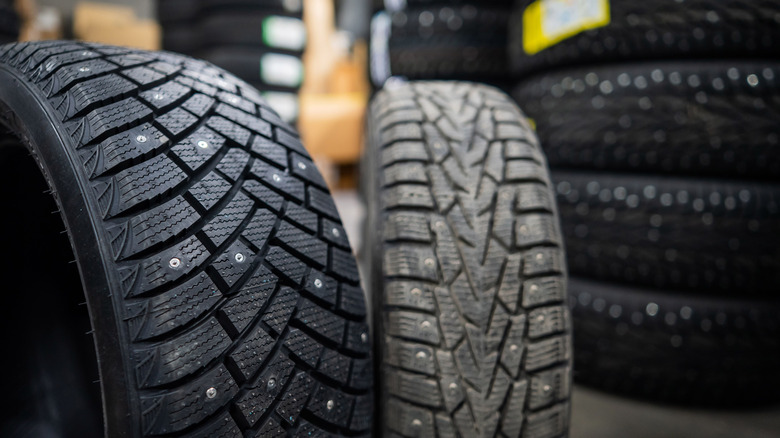
For as many automotive brands, segments, trims, and options out there out there to tickle any consumer's fancy, there are just as many (or more) tire brands. A tire may be selected by a manufacturer to increase fuel economy and wear life, enhance grip in different scenarios, or even maximize ride quality — it all depends on what the manufacturer wants to maximize about the car. But one can always upgrade any of the above with a little research.
Although car manufacturers carefully select and even co-engineer tires for a car's given purpose, but like different stages of aftermarket engine tuning, there's always room left to maximize the experience where the rubber meets the road. Especially when increased grip under cornering and braking is high on a driver's list of wants. Or, they're looking to buy a separate set of wheels for a given scenario, such as winter driving, off-roading, or even ripping laps on track.
Are there times where aftermarket tires outshine OEM tires? There most definitely are. Let's pump up our knowledge and discuss where the factory's intentions can be exceeded.
It's all about intention and compromise
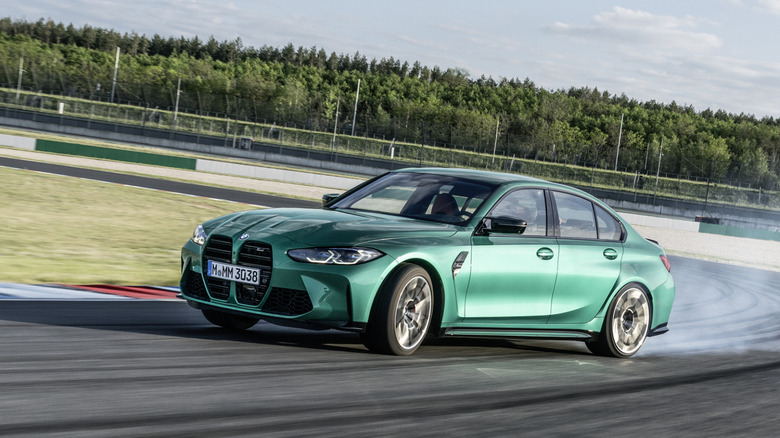
One of the best examples of an OE tire being specially engineered for a vehicle is the latest G80-generation BMW M3 and its special sauce Michelin Pilot Sport 4S tires. As reported by Christopher Smith for Motor1 — summarizing Jonathan Benson of Tyre Reviews — BMW and Michelin worked closely together engineering a special version of the PS4S for the M3. "...It's made of four different compounds versus two, the tread grooves are slightly larger, the belting is tweaked and the sidewall rigidity is different," wrote Smith. Essentially, the PS4S is the foundation to a more track-potent recipe.
This led to the factory tire being two seconds quicker in dry testing over the standard, non-M3-specific PS4S in Benson's testing. However, as he found out, the non-OE (original equipment)-spec PS4S performed better in the wet. This proves that the spider graph of the OE tire's attributes swayed more towards dry performance, whereas the standard PS4S was a more universal tire that's better-suited for a variety of environments. Because the M3 is a high-performance sedan that's engineered for more vigor in dry conditions (especially on track) it compromised on wet performance. Of course, if someone wasn't as keen on maximizing dry performance — especially if they're in a more rainy climate where all-weather performance is preferred — they may find more value in the standard PS4S. Then, if plugging their tire specifications into a retailer's site shows the same tire, without including the make/model, shows a lower price, even better.
The same formula can be applied to any other tire; depending on one's preferences, they can have better fuel economy, ride quality, or any other attribute they prefer to zero in on. If it's outside of what the manufacturer originally specified.
Night and day upgrades
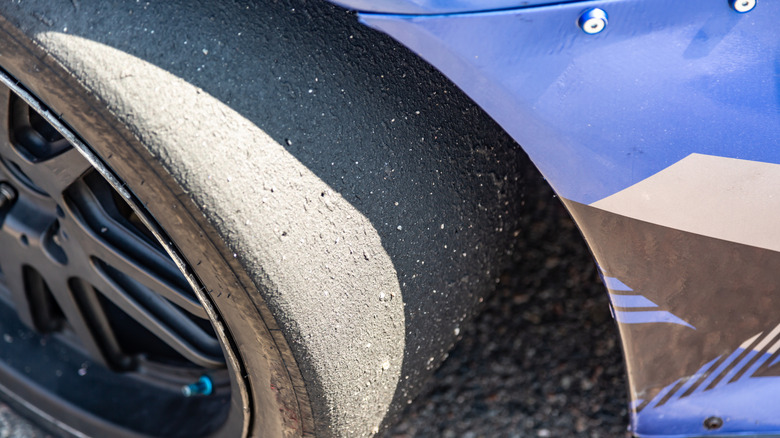
Keeping with the dry performance theme, switching to grippier aftermarket tires is a top upgrade if that's what someone's after. Going from a factory 300 treadwear to an aftermarket 200 treadwear tire almost always means better braking, cornering grip, and more. Though, there are always downsides like increased tire wear, changes in noise, reduced fuel economy, the inability to drive in wet or winter weather, and more. The spider graph will certainly change.
In this author's personal experience, some lower treadwear track-centric tires do just fine in daily temperate-climate driving, and can be cheaper to buy over the factory recommended compound, too. Ideally, having a daily set of wheels with the factory recommendation and a separate, lightweight set with grippier meats is a good way to go, and the former doesn't get burned out when faced with higher cornering forces and increased heat.
Moving back to OE tires, one can always put an OE-specific tire on a different make/model. Like the owner of this B5-generation Audi S4 who mounted up BMW-specific Michelin Pilot Super Sports. While the gentleman doesn't specify why they did so, it's likely that it has a slight edge in cornering and braking performance over a standard Super Sport — it's a grippy tire designed for a BMW, after all. Like the aforementioned PS4s. And, who knows, the OE Super Sports could've been on sale when the non-OE ones weren't.
It's also important to point out that aftermarket tires can often meet or exceed the OE-specified tire in overall performance, don't let the term "aftermarket" be a red flag. There are times when aftermarket tires outshine OEM tires, but it's important to do one's due diligence, consider what's best for their needs, and weigh what works for their budget.