

Diesel Vs Biodiesel Fuel For Your Truck: The Pros And Cons Explained

At this stage, it's looking more and more like only rich people can afford gas, and the situation is even worse if you need to fill up with diesel. The cost of diesel fuel rose above $5 per gallon in March, and the Iran War is, of course, getting a lot of the blame. That means it's hard to know when — or if — the rising tide of fuel costs is ever going to recede. And that, in turn, is leading folks to explore ways to make driving a bit more affordable, like opting for biodiesel instead of the pure stuff.
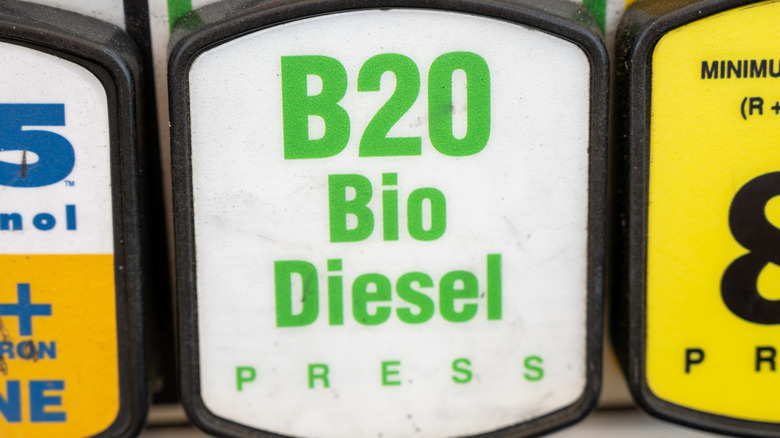
Drilling down to some specifics, the wholesale average cost of a gallon of B20 fuel – one of the most popular blends in the United States, representing a mix of petroleum diesel and up to 20% biodiesel – hit $4.14 in the middle of March 2026. The same month, pure diesel closed at $5.49.
Yet, there are other differences to think about before switching between the fuels, because their different ingredients result in different performance characteristics. Remember, here in the United States, biodiesel is ultimately sourced from oils and fats in vegetables and animals — although sometimes indirectly, as you can get the "bio" parts of biodiesel from recycled restaurant grease, too. So, before you change your fueling habits, you may want to compare the two fuels in terms of factors like emissions, water usage, production costs, cold-weather performance, and food scarcity, among others. Or, you can just read on and let us do some of the heavy lifting for you.
Note that we won't be comparing power outputs, though. B20 does provide slightly less energy per gallon, for slightly worse performance and fuel efficiency, but generally not enough for users to notice.
Both can be bad for emissions
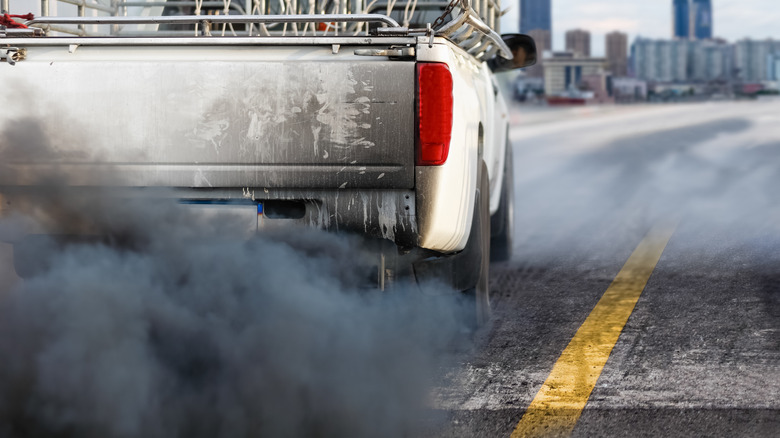
Diesel engines are notorious for their pollution, and while that may not matter much to our current president — who helped make sure rolling coal and emissions cheating are no longer criminal offenses in the U.S. — it's still important to a lot of other folks. That said, the differences between emissions from pure diesel and biodiesel blends are a bit of a mixed bag.
On the one hand, biodiesel fuel has been shown to deliver double-digit percentage reductions in hydrocarbons (-21.1%), carbon monoxide (-11.0%), and particulate matter (-10.1%). The last number is especially worth pointing out. After all, some studies indicate that particulate matter — including microplastics — is the most dangerous of today's air pollutants. Yet, the real-world emissions improvements from biodiesel can depend both on what it's made from, such as soybeans or animal fat, for instance, along with the exact type of pure diesel fuel to which it's added.
Additionally, biodiesel can actually end up producing more of one certain kind of emissions, namely nitrogen oxides. These NOx pollutants are not only directly harmful to human health when you inhale them, they can also contribute to ozone issues — just like dying Starlink satellites could be doing. Again, the overall impact will depend on the proportions of biodiesel and regular diesel in a given blend, with NOx emissions dropping as the amount of biodiesel is reduced.
Looking at the lifecycles of biodiesel and diesel
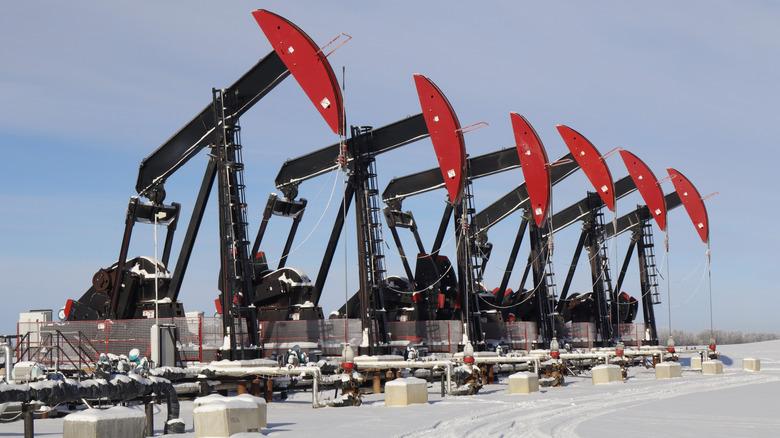
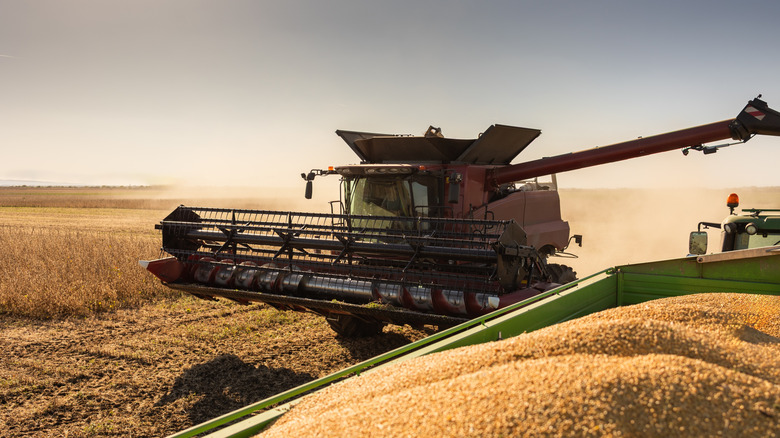
Tailpipe emissions are only one part of the picture, however. We also have to look at the fuels' full lifecycles — including taking into account all steps of how diesel fuel is made — to get a more accurate idea about what they can do to the environment. Keep in mind that a lot of energy goes into both soybean farming and oil extraction, due to their reliance on heavy machinery, which can require a lot of fuel and produce a lot of emissions well before the soybean grows or the oil flows.
Let's focus on carbon dioxide to see how this plays out: The Department of Energy's Argonne National Laboratory has developed an advanced modeling system called "GREET" that's uniquely tailored to life-cycle analysis of energy/transportation systems. And when the lab applied that model to diesel and biodiesel fuel production, the analysis showed that pure B100 biodiesel, made from 100% biomass, is responsible for 74% fewer carbon-dioxide emissions than pure diesel fuel. Do the math, and the number for B20 remains a relatively impressive 14.8% reduction in those pollutants.
As for the finished products, biodiesel has much less of a damaging impact on the environment if there's a spill, and it's safer in the sense that it's less likely to combust: The flash point of petroleum diesel is about 125.6 degrees Fahrenheit, but that of biodiesel is north of 266 degrees.
Dissecting claims about dependence on foreign oil
This is a complicated issue, fraught with political overtones, but we'll try to stick to some of the biodiesel basics. First off, ignoring all that other stuff, making more diesel fuel here in the United States does mean that that much less would come from foreign sources. But it's a bit of a strawman argument, because you know what else would reduce our reliance on foreign sources of oil? Reducing our reliance on oil, period — like by increasing our use of EVs.
In Europe, for instance, the adoption of electric vehicles was projected to cut European oil imports by 46 million barrels in 2025, also representing a savings of more than $3 billion. Meanwhile, in the U.S., Trump's policy changes meant EV registrations fell by 41% in January 2026. It's a similar story with alternative energy sources such as wind and solar power. Further exploring both could reduce how much foreign oil we need, but Trump cut subsidies in these areas as well.
Some folks are concerned about trading food security for energy security, too. Yet, research shows this concern may be exaggerated, with Purdue University, for one, reporting that the growing demand for soybeans for biofuels has practically zero effect on the cost of food. Indeed, influence may go in the other direction, since the extra soy protein can go to feeding livestock — which would make raising the animals less expensive. (Humans eating the soybeans directly would be even better, because consuming, say, tofu results in fewer overall emissions than eating meat.)
Both can affect engine operation
Okay, we did say at the start that a biodiesel such as B20 won't matter much for an engine's performance, but we meant things like how much fuel it drinks and how much power it makes. Biodiesel does have a couple of traits that can influence how — or if — the engine operates. One key difference is what happens to the fuel in frigid temperatures: The more biomass in the fuel, the more likely it is to thicken in the cold, which makes it harder to start the engine. B20, for instance, can often hold up even when temps reach -5 degrees Fahrenheit –- at least if the biomass is mixed with typical No. 2 winter diesel. That, obviously, can make it unsuitable for some northern winters and explains why Minnesota requires B5 when the temperatures fall.
Biodiesel's benefits also extend to its lubricity — that is, how well it can lubricate the engine's components as the fuel goes through the powertrain. Proper lubrication is vital to reducing the wear and tear that comes from even normal driving, and biodiesel does it better than the regular stuff. In fact, one source of biomass, canola oil, was originally designed to lubricate engines in World War II.
Finally, while it's true that many modern diesel engines can run B20 without modifications, you should still check your owner's manual or other manufacturer information. That's the best way to ensure your ride is compatible with a particular grade of biodiesel.