

Should You Ditch Your Concrete Driveway For This Eco-Friendly Alternative?
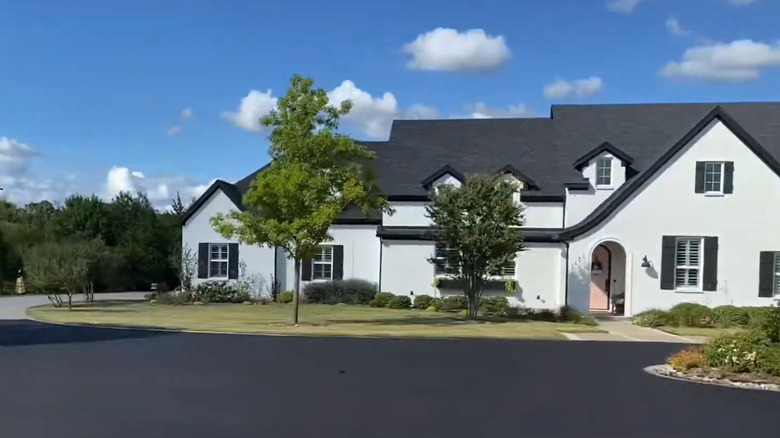
What would you say is the most recycled product in the U.S.? Whatever you guessed, you're probably wrong. It's asphalt. More than 90% of all asphalt recycled from roads goes back into blacktop. And it can be recycled over and over again, without a drop in quality. The environmental benefits of using something that is recycled compared to manufacturing new amounts of the same material, in this case asphalt, is obvious. Old material that isn't recycled winds up clogging landfills, while the manufacturing of new products almost always involves the releasing of pollutants.
But the eco-friendly advantages of recycled asphalt really becomes apparent when comparing it to the pouring of concrete. Eight percent of carbon dioxide emissions around the world comes from the manufacture of concrete. Think about that — making concrete is responsible for one in twelve tons of the globe's CO2 emissions. Even the manufacture of new asphalt is cleaner than that. According to the EPA, asphalt binder retains 99.6% of its carbon, instead of being released as emissions. What about recycling concrete, you ask? Unfortunately, that can't be done. But all sorts of items, including recycled tires, are used for road pavement.
That's not to say there are no downsides to recycled asphalt, but the case for using it is pretty compelling. One downside is that it doesn't last as long as concrete. But since both types of pavement can last decades, that's really a future you problem, or maybe even the next homeowner's problem.
Benefits of using recycled asphalt to pave your driveway
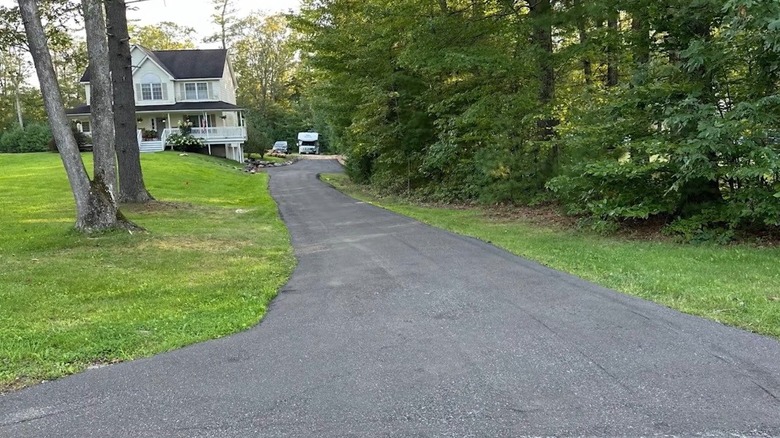
Getting your driveway paved with recycled asphalt can be an economical choice, especially when compared to using new asphalt. Recycled asphalt, by some estimates, cost $6 to $9 per square foot, which includes the cost of getting it installed. By comparison, new asphalt will cost from $7 and $13 per square foot. so we don't really see a financial reason for using new asphalt.
Another advantage is the ease of installation. New asphalt has to be installed hot, between 275°F and 300°F. That means the weather needs to be just right, and special equipment and personnel are required to install it. It also takes 72 hours to finish hardening. Recycled asphalt is a cool mix, making it much easier to install, and it only needs 24 hours to finish hardening. Recycled asphalt also has a courser finish, which affords your vehicles better traction when the pavement is wet. And whether it's recycled or new, asphalt doesn't break up as easily as concrete in extreme temperatures.
Of course, as we already mentioned, recycled asphalt is much better for the environment. Not only is asphalt is 100% recyclable, but completely new asphalt requires oil-based products to be mixed in. There's no need for that with recycled asphalt. This is where recycled asphalt really shines when compared to concrete, which can't be recycled, but only downcycled.
There are some downsides to using recycled asphalt
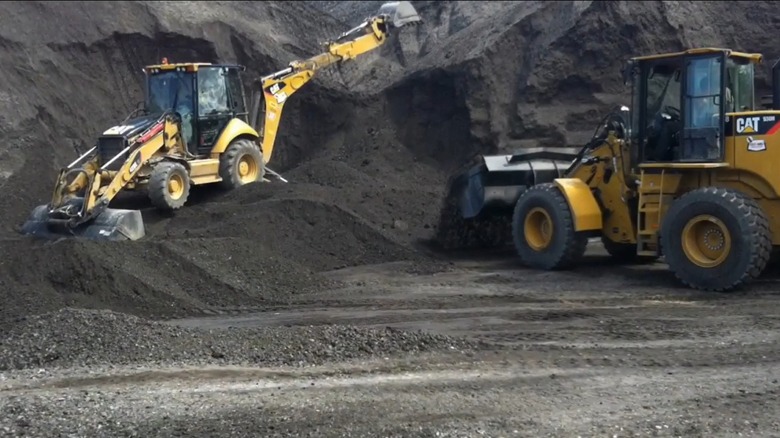
While using recycled asphalt is significantly cheaper than using new asphalt, you may or not save any money compared to using concrete, which run between $3 and $18 per square foot. And when you bring durability into the picture, concrete is actually cheaper. With proper resealing every three to five years, an asphalt driveway will last about 15 to 20 years. Compare that to concrete, which will last 30 to 40 years, and you can see asphalt will need to by replaced twice as often.
Recycle asphalt often comes from different sources, meaning quality isn't always consistent. Contaminants, rocks, or bits of plant life can be left over. There is screening during the milling process to eliminate these kinds of things, but sometimes impurities and even residue from toxic substances can be found in recycled asphalt. The final appearance of recycled asphalt isn't as polished as new asphalt or concrete. You won't get the slick, jet-black color of new asphalt, nor will you get as smooth and even of a finish as you can get with concrete. It's more like very compacted gravel. One source called the look "rustic".
There are trade-offs with most things in life, and getting your driveway covered is no exception. But going with recycled asphalt could be an attractive, eco-friendly pavement solution. Just make sure you don't end up like this lady in Florida, whose entire driveway was stolen.