

In-Car Subscriptions Give Buyers The Ick And Automakers Don't Get Why

According to data by Kelly Blue Book, the average out-the-door cost of a new car shot over $50,000 in 2025, with the typical manufacturer's suggested retail price (MSRP) eclipsing $52,000. However, even as prices continue to rise, automakers have become relentless in their pursuit of recurring monthly revenue in the form of subscription services. More comprehensive navigation apps, Wi-Fi hotspots, and hands-free systems like GM's Super Cruise make up some of the feature's automakers put behind subscription paywalls.
But an aggressive push over recent years has seen brands like Volkswagen demanding a monthly fee to unlock the full power of some of its engines. Meanwhile, BMW keeps pushing subscriptions even though charging customers monthly to use the heated seat function resulted in backlash. And Mazda tried adding the key fob's remote start functions to its Connected Services app, charging drivers $10 a month for the privilege — though the company has since walked back its efforts.
Overall, drivers have shared negative reactions to this overbearing monetization. S&P Global data shows only 35% of Americans are willing to pay for an automotive subscription, and that was the highest figure among eight other countries. In addition to rising prices, the public has grown weary of monthly charges, the increasing number of features becoming paywalled, and privacy concerns surrounding collected data.
Subscription overload and charging for previously included features
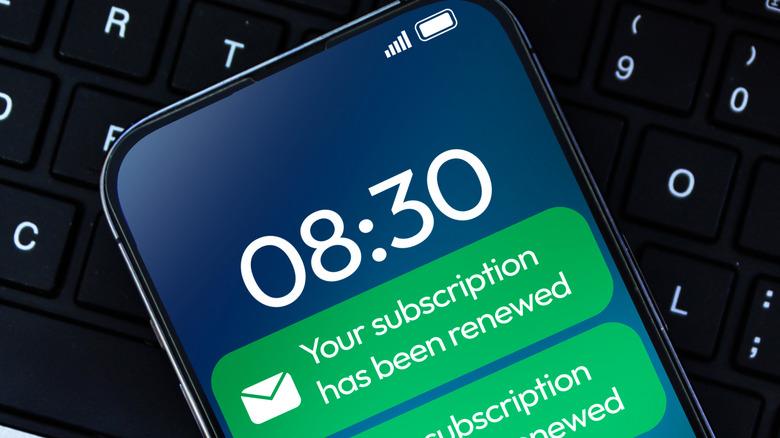
The subscription model has invaded several industries at this point, with major examples covering the movie industry with Netflix, software with Adobe, and fitness with Peloton, among others. Naturally, automakers want to get in on recurring monthly revenue to bolster their position among shareholders. The problem is that people have been overwhelmed with these models. According to data from Bango, 25% of Americans are paying more than $100 monthly for various subscriptions. There are now applications springing up designed to help manage all your subscriptions and even cancel ones you had forgotten about. Drivers don't seem keen on piling on another monthly charge for vehicle features.
Automakers have also not been subtle in their efforts to monetize everything. This is no more evident than when looking at capabilities already present in the car but locked behind a subscription. Take Audi's Q4 E-Tron for instance, which created quit a stir online when one owner tried pressing the physical button to "Sync" their tri-zone climate control system. They were greeted with a message across the media console display asserting that this particular feature hadn't been purchased yet. The vehicle obviously has the capability built-in already, but it was intentionally locked. Worse yet, not even used cars can escape subscriptions, as automakers are working to bring those models into the fold as well.
Data privacy and security
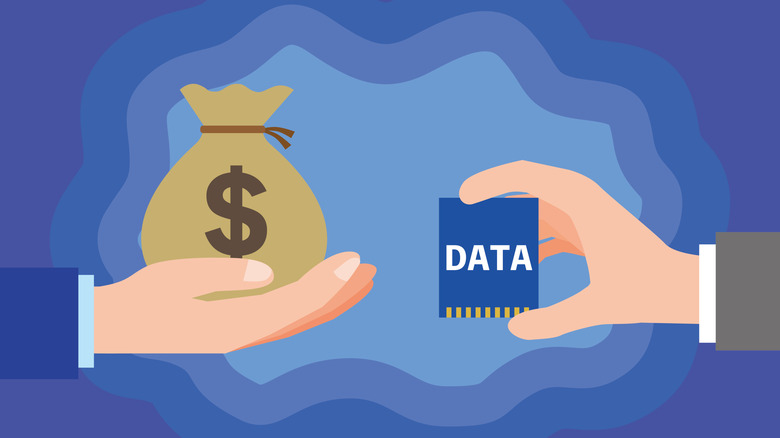
All the connectivity technology that has become part of daily life has a significant downside in terms of privacy. In a poll by Pew Research Center, personal data gathered by both companies and government agencies make most Americans feel a lack of agency over their own information. And unfortunately, your car is 'the worst' at protecting your data, because automakers can sell your information.
On top of these vehicle manufacturers wanting you to pay monthly for various in-car features, they also sell your data, essentially creating two recurring revenue streams. And the party buying the data might also be looking to use it against you. For example, one Chevy Bolt owner learned that their personal habits behind the wheel, such as how the accelerator and brake pedal were operated during travel, were all being documented and then purchased by a data broker. This broker then turned around and sold the information to insurance companies without the driver's consent. The driver's existing insurer then pushed up its premium, and when they began shopping around for alternative quotes, they continued to face higher rates than usual.
Additionally, your modern car get potentially hacked by malicious parties, allowing them to steal data that was provided as part of the subscription service. Law enforcement is also training investigators to exploit subscription-based connectivity features. In other words, you could end up with your data in the hands of both government officials and criminals.