

NASA To Improve Machine Learning With Endurance Racing Data
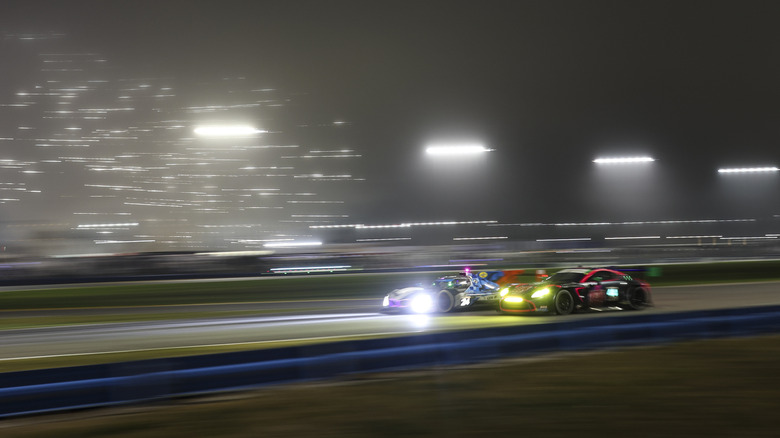
When the general public thinks about someone putting on a helmet and blasting off into the dark in Florida, they don't think of the Rolex 24 at Daytona. IMSA announced a partnership with NASA last week, ahead of this year's edition of the Florida endurance classic. The federal space agency stated it hoped to exchange its technical expertise with its racing counterpart. With testing regimes strictly regulated in modern top-flight racing, teams and championship organizers rely on computer models to analyze collected data and predict outcomes in the next race.
As part of the agreement, both organizations will convene for two technical interchange meetings each year to share publicly available technical insights. IMSA mentioned machine learning for diagnostics, wireless networking and RFID applications as a potential area for discussion. The meeting site will alternate between IMSA races and NASA facilities. IMSA President John Doonan said in a release:
"This partnership represents a unique fusion of aerospace and motorsports innovation. We're proud to collaborate with NASA to explore how our respective approaches to telemetry and diagnostics can inform and elevate each other's missions. The potential for cross-industry learning is immense."
Top-tech racing is a data arms race and companies want to reap the rewards
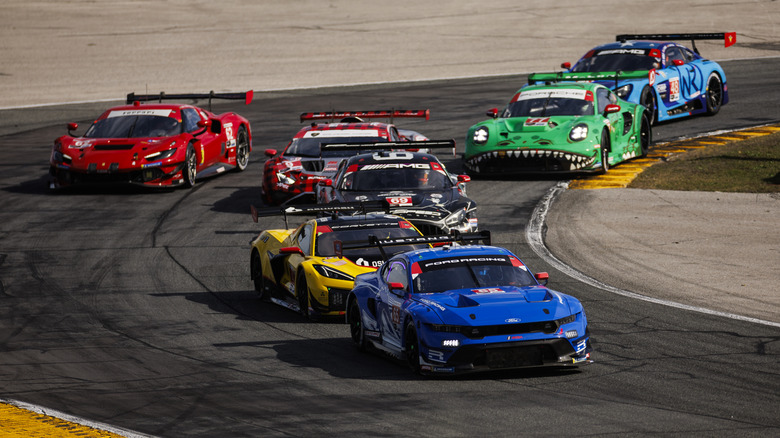
In addition to its partnership with NASA, the sports car racing body also launched IMSA Labs, a collaborative innovation platform. According to Ars Technica, IMSA wants to leverage its expertise to help other companies produce better simulations. The automotive partners involved in IMSA's championships are committed to the venture. Semiconductor producer AMD, cloud-computing giant Amazon Web Services and engineering conglomerate Bosch are also partners on the platform. The non-automaker partner shed light on the platform's focus: implementing more efficient data collection and analysis practices.
With the never-ending technical arms race in top-tier international motorsport, it was a natural environment for improving other industries. Most teams in Formula 1 teams have applied technology arms, which have proved to be profitable ventures. For example, Williams Advanced Engineering helped develop the Jaguar C-X75 concept and won the contract to be Formula E's battery supplier. However, this division is no longer tied to the F1 team as Williams sold the division to Andrew Forrest, Australia's richest man, in 2022.