

The Nickel And Dime Parts That Can Blow Up Your Kit Car Budget
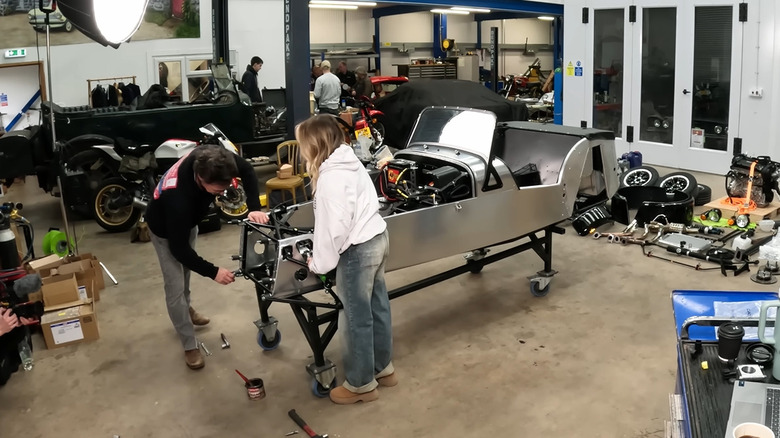
So you've made up your mind to build a kit car. After all, there are quite a few high-performance kit cars that are more affordable than they look. Compared to a million-dollar Shelby Cobra, a good Cobra replica kit would cost you less than $50,000. After getting your hands on the perfect Cobra kit, you might be convinced that this is the smart, budget-friendly way to make your dream car a reality. That reality, though, can easily turn this dream into an expensive nightmare.
Kit cars are brilliant, especially when you have your eye on a car that costs too much. If you look hard enough, you might find a replica kit car that's a fraction of the price. That said, a kit car often turns out to be anything but affordable. The reason for this comes mostly from the nickel and dime parts that you might skimp on to keep your bank balance happy. The culprit could be anything, including hardware, electrical systems, interiors, and even paint. A kit car can bankrupt you if you aren't careful with planning your build budget.
Nuts and bolts
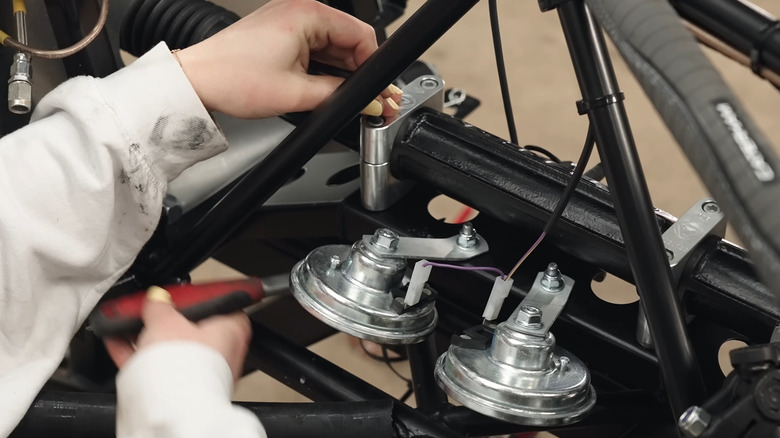
Tiny and seemingly innocuous nuts and bolts might feel like the cheapest parts of your kit car — until you realize how many of these small bits you need to complete your build. Your kit car isn't merely a shell; it's a vast collection of parts that need to be put together. Most of these parts don't even come with the kit, forcing you to source them yourself. While major components like the engine, transmission, chassis, brakes, and tires are factored into the build, nuts and bolts are mostly an afterthought.
Nuts and bolts might cost just a few cents or dollars each, but you'll need thousands of them in the long run. All of them together can put a significant dent in your budget. It's not just nuts and bolts, either. You need spacers, brackets, washers, locking washers, clips, self-tapping screws, threaded inserts, and more specialized parts. These add up, potentially overrunning your budget by hundreds or even thousands of dollars.
While buying these smaller parts, you can't skimp on quantity or quality. Buy just the right amount, and your build could be stuck due to a stripped bolt. Meanwhile, cheap fasteners can corrode and fail, while cheap brackets can twist and mess with the alignment. Avoid skimping on these parts. For load-bearing parts, enthusiasts generally recommend grade 8.8 bolts. Use thread locking compounds and keep an inventory of your parts before you start your build. Buy a few extra parts for backup and avoid anything universal. Stick to specialized parts in key areas.
Electrical wires and connectors
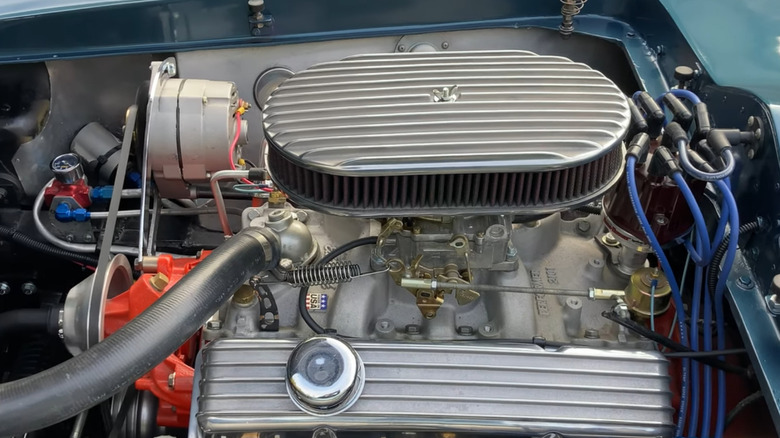
Assembling a kit car is like building a modern car from scratch, and one of the most complicated tasks is getting the wiring system right. A modern car needs wires to run almost everything, including the headlights, tail lights, engine management system, sensors, and even interior lights. Some basic kit cars do not come with a wiring harness, so you need to source it from a donor vehicle, go for a universal alternative, make one, or get one custom-made.
Using cheap electrical components also carries some extra long-term costs. Low-quality wires can overheat and even cause fires. Often, these faults take time to develop, so they're hard to catch during the initial building and testing stages. They're also hard to identify, which means you could spend hours trying to find their source. If you take it to a specialist shop, that's significant money spent on hours of labor.
You end up saving time, money, and frustration by investing in high-quality electrical connections. Always invest in the right gauge alongside properly-insulated wires and locking automotive connectors. A poorly-wired car will be a bigger headache to rectify than one with a faulty engine. This goes for sensors as well; opting for a generic sensor will save you a couple of bucks, but it might not be able to work as it should for your specific car. A temperature sensor with bad calibration can also lead to a lot of harm, potentially causing engine damage.
Suspension parts
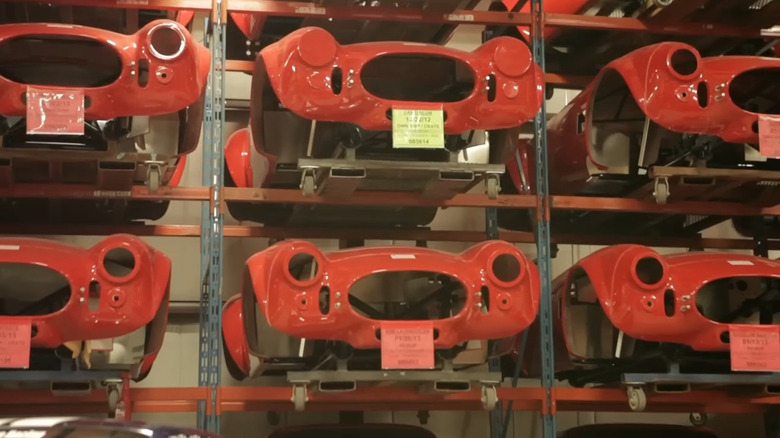
Suspension and steering parts are another area where you shouldn't cut corners, as they can lead to cascading failures. Parts like cheap bushings might save you money upfront, but they will flex more under load and degrade faster. This will lead to your car's alignment going out of whack and causing rapid, uneven tire wear. Cheap and low-quality suspension components like ball joints and tie rods are likely to face the same issues.
You should also watch out for brake components. Cheap rotors will have poor brake fade resistance, and they might warp under hard braking. This can damage your brake pads, calipers, and pistons, and it could even cause caliper brackets to flex. So, in exchange for a cheaper rotor, you might need to replace the rest of your brakes later on. For suspension, go for high-quality polyurethane or manufacturer-spec bushes. Invest in the correct rotor diameter and thickness, and don't skimp on quality calipers and brake pads, either. It isn't wise to take risks with safety; suspension and brakes are two areas you should not compromise on.
The cosmetic bits
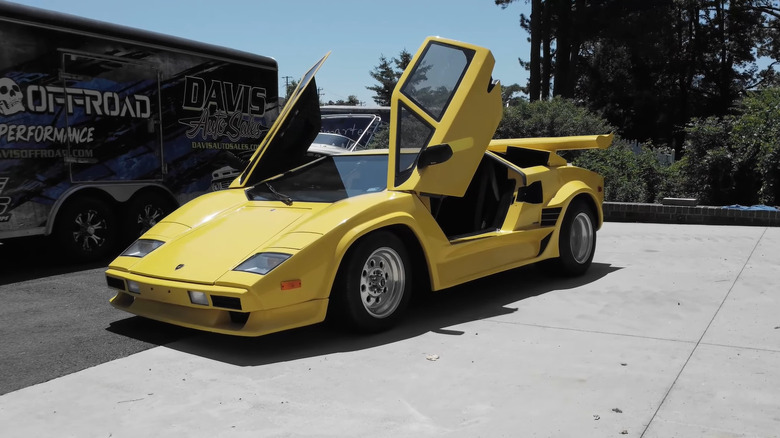
Cosmetics are the parts of your car that you get to see, and that's exactly why you don't want to cut corners here — especially if you are opting for one of the 10 most outrageous kit cars out there. A good paint job and well-appointed interiors can help your replica kit car look as cool as the original. High-quality paint and layers of clear coat applied by a professional can cost a pretty penny, but it's worth the cost. Cheap paint can quickly deteriorate, leaving behind a dull finish. A professional job takes prep work seriously and removes surface blemishes so your car's paint can look flawless. Just be aware that if you also decide to go for trim pieces such as emblems, badges, and chrome pieces, those can end up adding a significant amount to the original cost.
Interiors aren't too different from other nickel and dime parts with things like seats, carpets, and door pads. You have to go the extra mile with quality here, as cheap interior pieces aren't well-made and will face fitment issues, squeaking, rattling, and quicker wear. Good-quality interiors will last longer and help improve your overall driving experience.
The unexpected expense
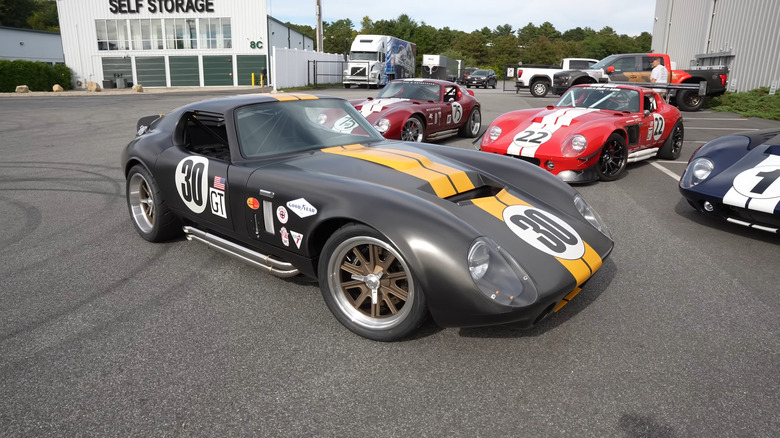
There might come a time (or several times) when you break something while building your kit car. It can be as small as a trim piece or as large as a transmission housing. Not budgeting for eventualities like these could throw a proverbial spanner in the works. The best way to handle these possibilities is to factor in a contingency fund of about 20% of your overall build estimate. That way, if a part breaks or simply doesn't fit, you have enough funds to cover it.
For many wrenching enthusiasts, there's nothing more satisfying than building a dream car. Even so, a kit car comes pretty close to that experience, but the build process can turn out to be expensive in terms of both finance and time. It's prudent to do your research and factor in the nickel and dime parts that can significantly inflate your build budget. Understanding the hidden costs involved and budgeting accordingly will ensure that your kit car project does not turn an automotive dream build into a financial nightmare.