

Why Did Automakers Start To Use Piano Black Trim?
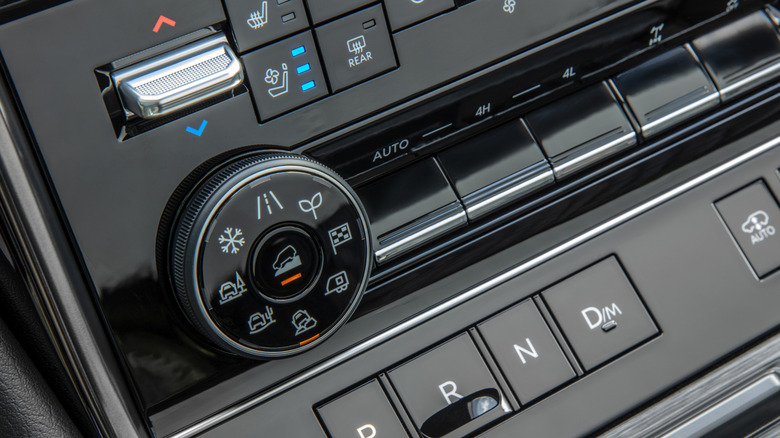
Automakers didn't start putting piano black trim into interiors because they hate us, even if it seems like it. They did it because piano black looks fancier than it is. It looks great in a showroom, and black goes with any interior colorway. In 2013, a Ford interior engineer told SME Media that high-gloss black was very stylish at the time and he was seeing it everywhere at the Detroit Auto Show. As Mugatu from "Zoolander" would say, piano black, so hot right now.
The other half of the answer is manufacturing. Ford worked with BASF and wanted the piano black look without the paint and clearcoat method. The company estimated it could save around 50% on costs by skipping the clearcoat process. Painting is expensive and slow because of the multiple steps involved.
So, piano black took off because it looks fancy. It's also affordable, since you don't have to treat every trim piece like a grand piano. And don't worry, you are not the only one with a microfiber towel in the glovebox as a coping mechanism.
It can be tough and delicate at the same time
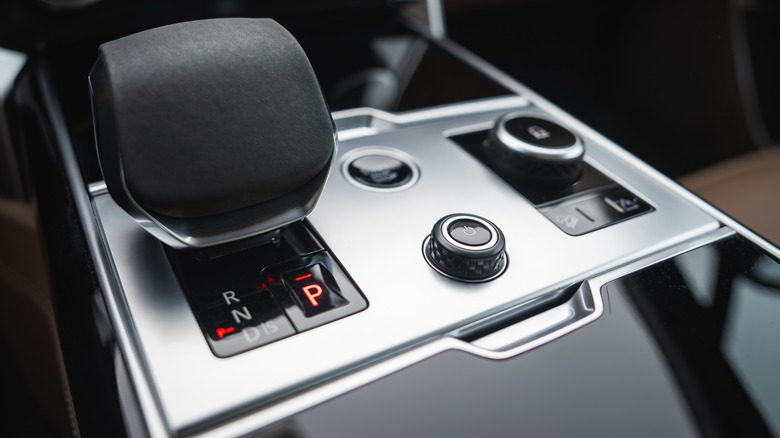
The problem with any mirror finish is it reflects anything and everything, including fingerprints, dust, and micro-scratches. Even car reviews mention piano black, like Jalopnik's review of the 2025 Nissan Armada or our first drive of the Toyota bZ4X, and the comments usually aren't positive. Plastics Decorating, a trade publication that lives for this stuff, says plainly that piano black highlights fingerprints and makes even tiny defects more visible. It also points out the cleaning paradox. If you wipe it down to get rid of the dust, you can easily create micro-scratches that show up, because, again, it's a mirror finish. You're basically trapped in a loop of trying to keep your car clean while slowly destroying the very trim you're cleaning.
Ford's push with BASF was about getting that glossy look while keeping it tough enough for real interiors and without relying on a traditional painting and clearcoat process. However, there was also a visual reason piano black spread — namely, the extensive use of screens on dashboards. Display screens that are turned off look somewhat like piano black trim, and the surrounding trim needs to match. Once your center stack is a tablet, the trim starts dressing like one, too, leading to the appearance of a more cohesive design. This can create a seamless look across the dash, until you actually touch anything.
The trend seems to be turning

Piano black is becoming unpopular because it makes owners feel like they can't keep up with the constant cleaning and polishing. We're starting to see automakers pivot, at least in some newer models. Quoting Kia's design team, MotorTrend explained how the manufacturer is removing piano black in the EV9 in order to make the cabin feel more like a "living room on wheels." The irony is that a Steinway is usually the centerpiece in the living room, right?
Is the piano black hate warranted? Maybe. However, it's not because piano black is automatically cheap junk, but because high gloss is inherently less forgiving, and modern interiors are high-touch environments. That's physics, baby. It was a shortcut. It was nice without requiring anything actually nice, but it also created an interior full of shiny surfaces that looked great for about 7 minutes. And that's really the story of piano black.
If the industry really is moving on, we won't miss the smudges. We may miss the fake luxury a little, though, which is why some of us are already lobbying for the return of gloriously tacky fake wood instead.