

More Than 300,000 Californians Must Get New Real IDs Because Surprise, The DMV Screwed Up
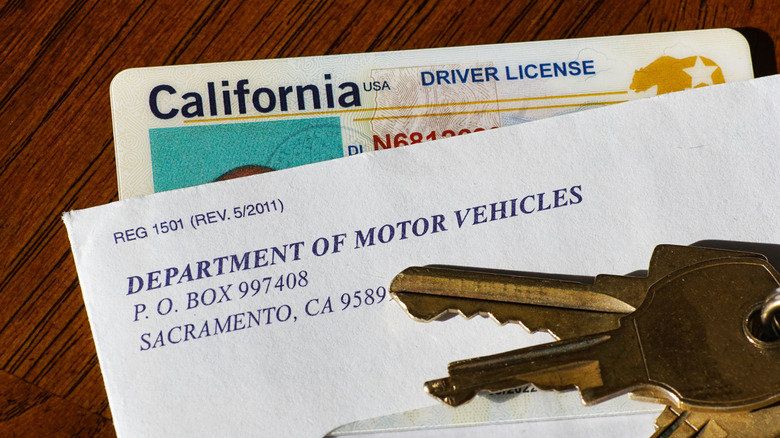
Visiting the DMV is often a miserable experience, one most people would like to keep down to a once yearly visit–if that. Unfortunately for around 325,000 California residents, an error in an old software code may have made that pain-in-the-neck visit all for naught, as their Real IDs aren't as real as they appear.
As if Real IDs weren't enough of a pain to begin with. From the California DMV:
"We proactively reviewed our records, identified a legacy system issue from 2006, and are notifying impacted customers with clear guidance on how to maintain a valid California-issued credential," said DMV Director Steve Gordon. "For nearly 99% of REAL ID holders, no action is required. The DMV remains committed to serving all Californians and ensuring REAL ID credentials meet federal standards."
If you are a U.S. citizen, relax, you won't be asked to engage in intellectual combat with an unarmed opponent behind the desk at the DMV, reports the San Francisco Chronicle. The issue only affects certain immigrants who were issued Real IDs. Before anyone jumps to the comments to complain about California giving driver's licenses to illegal immigrants, the federal government allows lawful permanent residents, green card holders, and visa holders to be issued Real ID licenses in the state where they live. Everyone affected by this glitch has already proven that they are in the U.S. legally. In fact, that's the nature of the glitch. If their authorized stay expires before California's standard five-year interval, their Real ID must expire at the same time, making it more difficult for them to overstay their welcome. The software glitch incorrectly gave them the standard five years, disregarding when their authorization expires.
The DMV has not said exactly what its "clear guidance on how to maintain a valid California-issued credential" will be. Since it was the DMV's mistake, hopefully it can just issue new licenses with the correct dates at no cost. But this is the DMV, so who knows what additional unnecessary hoops people will have to jump through to get them.
A broken system
Real ID has been a bit of a boondoggle since it was first proposed under the George W. Bush Administration. It took 20 years for the federal government to finally say, "We're really enforcing this, really this time," with delay after delay. Some states had trouble complying with the requirements, while others refused, citing privacy concerns for their residents.
Even after all this trouble, a Real ID may not even fulfill the purpose it was intended for in the first place, according to Reason. In a recent court filing in a case on behalf of Leo Garcia Venegas, a U.S. citizen who was detained twice in immigration raids earlier this year, Philip Lavoie, the Acting Assistant Special Agent in Charge (ASAC) of the Department of Homeland Security's Mobile, Alabama office, stated that:
...because each state has its own REAL ID compliance laws, which may provide for the issuance of a REAL ID to an alien and therefore based on HSI Special Agent training and experience, REAL ID can be unreliable to confirm U.S. citizenship.
Real ID isn't supposed to prove citizenship, but legal presence in the country, which is what DHS is supposed to be verifying. DHS's own website states:
REAL ID is a national set of standards, not a national identification card. REAL ID does not create a federal database of driver license information. Each jurisdiction continues to issue its own unique license, maintains its own records, and controls who gets access to those records and under what circumstances. The purpose of REAL ID is to make our identity documents more consistent and secure.
Basically, DHS says that Real ID, whose entire purpose is to prove one's legal presence in the U.S., is inadequate proof of legal presence in the U.S., even though DHS sets the rules for states to follow, but also allows them to set their own compliance laws, all at the same time. That's as clear as mud. So, why are we doing this, again?