

Metal Valve Covers Can Last Longer, But Modern Cars Use Plastic: Here's Why
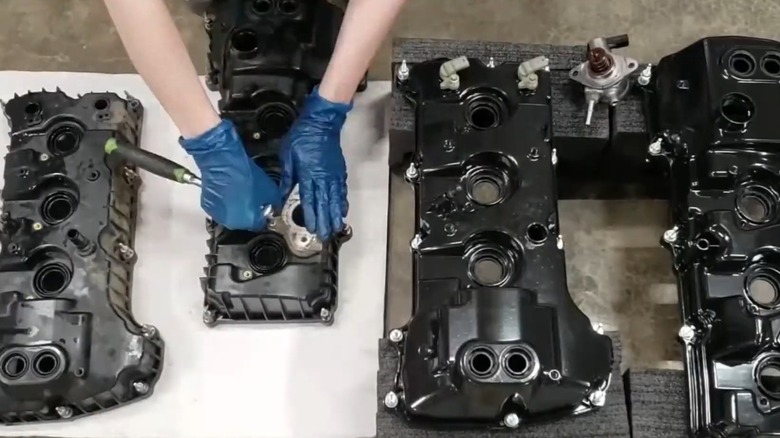
Located directly above the cylinder head, a valve cover is a critical component that prevents oil from escaping through the top of an engine. Oil keeps temperatures down and reduces friction between moving metal components. That's why any damage to your valve cover — which might result in oil leaking out — could spell serious problems under the hood. Considering its importance, you might wonder why automakers have largely moved away from relying on metal. In some cases, a car's engine bay has become a plastic mess nowadays, and that's because plastic is cheaper and lighter than traditional materials.
Ever since the 1970s, when the Energy Policy and Conservation Act mandated automakers readily display fuel economy figures on window stickers, brands have been looking for ways to improve efficiency. Corporate average fuel economy standards were also introduced during the same time, essentially setting the bar for what automakers were required to provide in terms of miles per gallon to avoid fines. According to a report published on Springer, for every 10% reduction of a car's weight, fuel economy improves by up to 8%. Replacing heavier metal parts with plastic helps vehicles shed pounds, improving gas mileage.
While the automotive industry has eagerly entered into the world of plastics as a replacement to metal, its not the only industry making this change. In general, moving from metal to plastic can provide a potential reduction in cost of up to 50%, according to KAYSUN. This is because there aren't as many stages involved in manufacturing plastic parts versus metal, essentially meaning that more parts can be made faster.
Metal valve covers are far more durable and arguably look much better
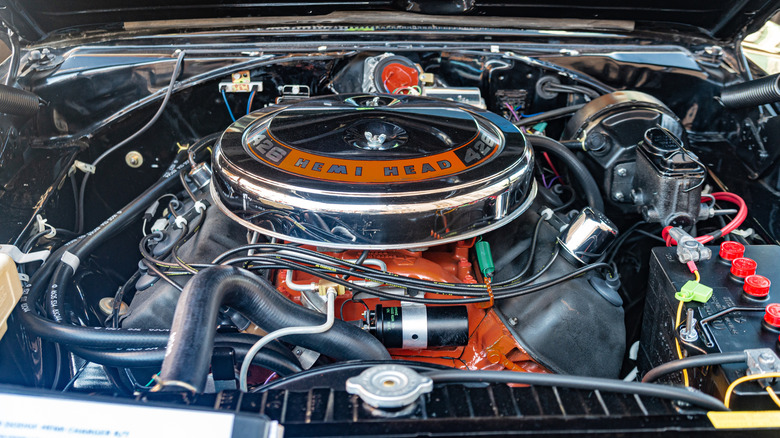
Tremendous strides have been made in getting plastics to be stronger and more capable of standing up to the rigors of a hardworking engine. However, as they relate to valve covers, they do present some issues. One of the problems with plastic is that its more susceptible to flexing, bending, or twisting over time than metal. As mentioned earlier, the valve cover is basically the engine's lid, keeping its oil inside. Unfortunately, plastic valve covers can develop small cracks, which can sometimes be impossible to spot without careful examination. These hairline fissures may even occur during routine maintenance. If you need to replace your gaskets, some mechanics simply recommend getting a new valve cover, as simply working to remove the old plastic one can cause damage, leading to oil leaks.
While it's clear why automakers have shifted to plastic, some argue that those covers diminish the look of an engine. When lifting the hood (especially on a vehicle with a more robust engine), being greeted with large plastic covers doesn't provide the same experience for enthusiasts compared to vintage models with metal components. Just look at some of the best production engines ever made; while there are some exceptions, most aren't sporting big plastic pieces in place of metal. Granted, you could always follow guides on how to paint your valve cover to offer a nicer look regardless of the material.