

Every Toyota Prius Generation, Ranked By Reliability
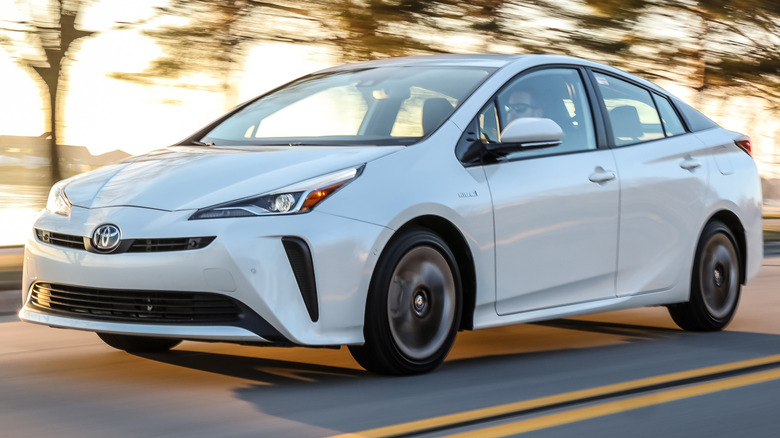
The Toyota Prius is more than a global household name; it's an icon that set the template for mass-market hybrid vehicles. The original Prius launched in 1997 as the world's first mass-market hybrid model, proving that a car can indeed shut down its gas engine and operate purely in EV mode at low speeds to save fuel. This is achieved through a clever interplay of its gas engine, electric motor, and small self-charging battery, which sees the Prius provide an EPA-estimated fuel economy of up to 57 mpg combined, earning it a spot among the most fuel-efficient cars ever sold in America.
With drivers regularly prioritizing fuel economy as a means to combat the cost of living crisis, the Toyota Prius often lands at the top of the priority list for most buyers. But equally, reliability continues to be one of the most important considerations for would-be owners, as it helps remove breakdown worries and ensures low running costs. Fortunately, Priuses have generally proven to be very reliable, and well-maintained examples that have racked up over 500,000 miles on the odometer are not uncommon. But you'll find that some generations are more so than others.
As a result, we've ranked the best Toyota Prius generations for reliability based on consumer reviews and their performance in reliability surveys. For each generation, we averaged the reliability scores of the cars based on their ratings in Consumer Reports' surveys. This has enabled us to fit the current fifth-gen Prius, taking into account the 2023 through 2026 models, which are CR-rated. However, as reliability surveys weren't carried out on the first-generation Prius, we have based its assessment on reports from owners.
Third-generation Prius (2010-2015)
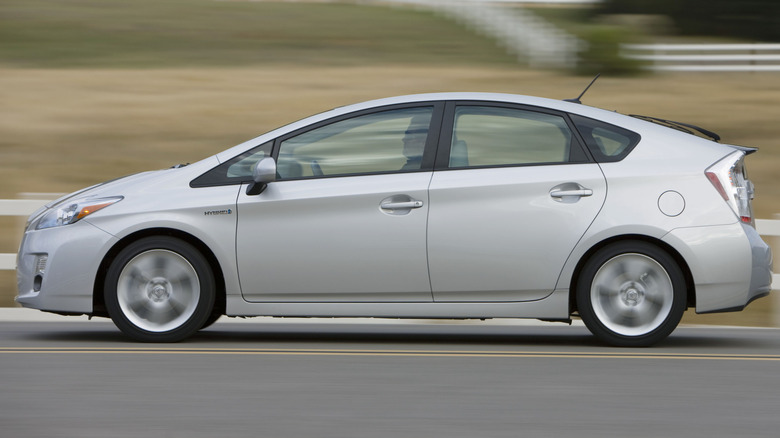
Toyota really raised the bar with the introduction of the third-generation Prius in 2009. Out went the 76-hp 1.5-liter 1NZ-FXE inline-four and 67-hp permanent magnetic synchronous electric motor in the second-gen car, replaced by a larger 1.8-liter four-cylinder 2ZR-FXE engine along with an 80-hp electric motor, which together upped the combined output to 134 hp from 110 in the second generation Prius.
The third-gen car further pushed the limits by debuting the first plug-in Prius, user-selectable drive modes (EV, Eco, and Power), as well as the brand's first electric water pump and exhaust-gas recirculation (EGR) system. These additions were crucial to reducing nitrogen oxide emissions and internal friction while raising the Prius' average fuel economy from 46 to 50 mpg.
However, some of these features did also introduce extra points of failure. For example, the exhaust gas recirculation (EGR) system, which returns some of the exhaust gases back into the combustion chamber to help reduce nitrogen emissions, can become clogged with carbon deposits above 100,000 miles. Over time, the unusually high levels of carbon deposits can lead to misfires, the dreaded "Prius Death Rattle," and potentially the widely-publicized head gasket leaks seen in many third-gen Prius models. As well, there have been reports of oil consumption in 2010-2014 Prius models equipped with low-tension piston rings, while others point out their third-gen Priuses have been blighted by brake sensor issues, which can manifest in delayed response or make the brakes feel somewhat inconsistent.
First-generation Prius (2001-2003 model years)
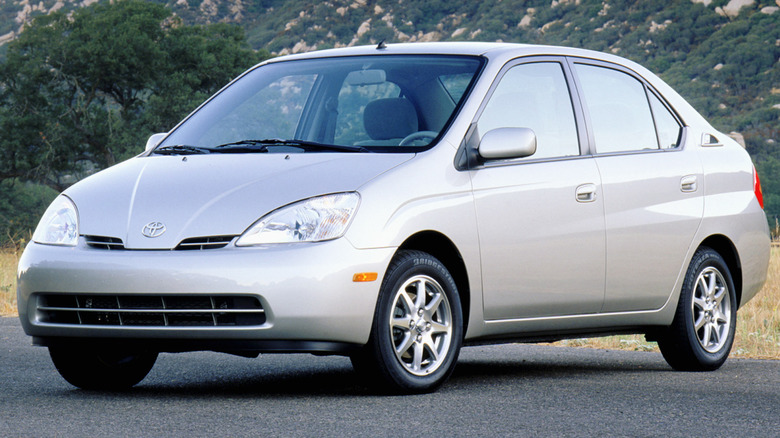
As pioneering as the first-generation Prius was, the general sentiment is that it doesn't lead the pack when it comes to Prius reliability, especially given its niggling teething problems. According to the National Highway Traffic Safety Administration (NHTSA), issues with the electric power steering are often cited as a major complaint about the car.
Back in 2011, Toyota was forced to recall around 52,000 Gen 1 Priuses due to risks associated with the nuts that secure the pinion shaft in the steering gear coming loose. When that happens, the pinion shaft becomes unstable, and this in turn reduces power steering assistance, causing the steering to feel overly stiff during left turns.
That aside, there have been numerous instances of the steering torque sensor wearing out prematurely and manifesting as the steering violently shaking. Another common fault with the first generation Prius has to do with the brakes. Some owners explain that if they hit a bump while braking, the brakes momentarily fail to slow the car down, resulting in a noticeable increase in stopping distance.
Fifth-generation Prius (2023-present)
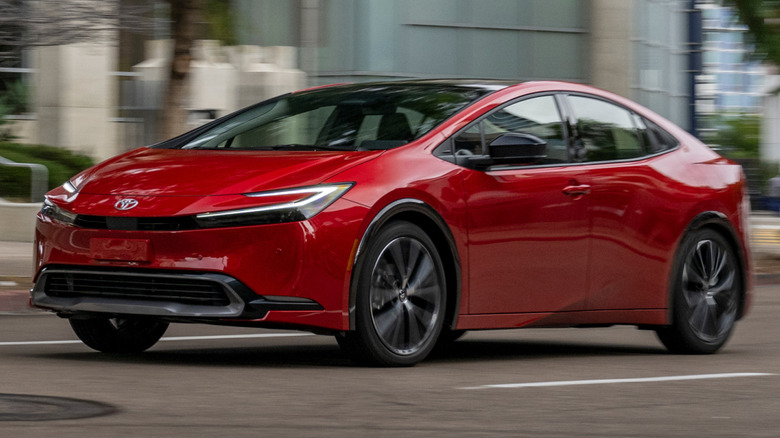
Post the third-generation car, Prius reliability has continued to get better and better, and the wedge-shaped fifth-generation Prius is a major beneficiary of the high standards set by Toyota. The four models launched up to this point collectively hold an above-average reliability rating from Consumer Reports.
That includes an excellent reliability score for the 2023 Toyota Prius, as well as above-average marks for the 2024 through 2026 Prius models. It's particularly impressive when you consider that this means the Gen 5 Prius boasts the second-highest average reliability rating ever from Consumer Reports. Clearly, its long-term reliability is yet to be determined due to the shorter production run, but based responses from owners about their reliability, the Gen 5 Prius does not appear to suffer any major fault so far.
NHTSA data suggests owners have very few complaints so far. One minor downside is that the fifth-gen Prius has been subject to three recalls, affecting the 2023 and 2024 models. The 2025 model, for its part, has had one recall due to a fault in which the rearview camera display may freeze or show a blank image when the vehicle is reversing (the 2023 and 2024 models were also recalled for similar reasons).
Second-generation Prius (2004–2009)
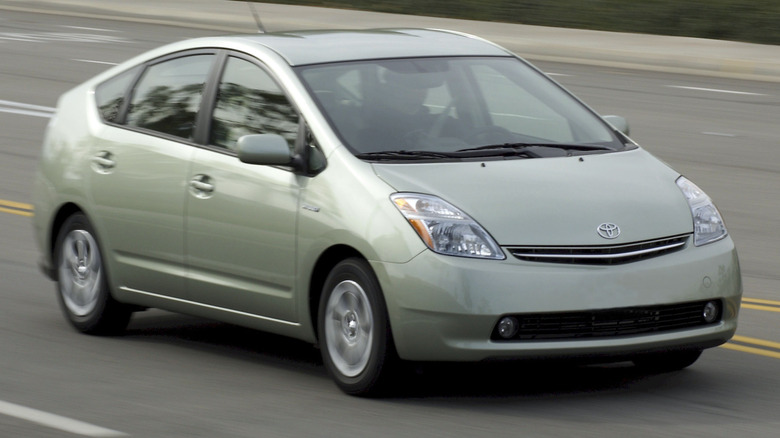
The second-generation Toyota Prius proved more desirable than the first-generation car, and for good reason. It was larger, faster, more powerful, and 15% more efficient than the car it replaced, despite using the same 1.5-liter NZ-series Atkinson-cycle engine as the Gen 1 Prius. It impresses in terms of reliability, too. The engine has shown it can withstand extreme abuse without fuss (check out what a Toyota Prius engine looks like after 303,000 miles), and owner accounts indicate that the car itself is notably more reliable than the first-generation model. Beyond that, there's an argument to be made that the second-gen Prius is the most reliable Prius generation yet.
That's no surprise, seeing as this generation was built with a focus on reliability. Toyota had had years to deal with the teething issues with the first-gen Prius and refine its hybrid technology by the time the second-gen car came out. But it's certainly not perfect, as there have been complaints from drivers about the headlight not working properly. The headlights could turn on and off on their own, stop working on both sides, or experience one side failure. In addition, there have been reports about the engine burning oil, and, as they age, there are some common problems to look out for, including battery degradation and failing inverter water pump. Despite these issues, the general perception of the second-gen Prius models is that they are very reliable.
Fourth-generation Prius (2016-2022)
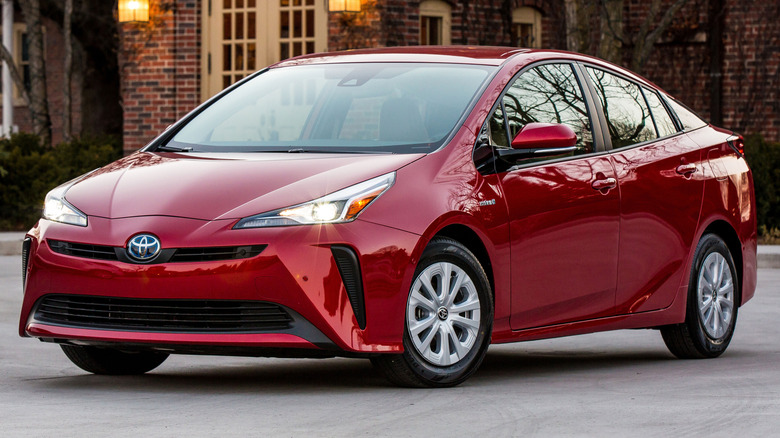
At number one is the fourth-generation Prius, which has proved popular among Prius fans for being impressively reliable. Two out of the seven models in this generation scored excellent reliability points in Consumer Reports' survey, with the remaining five all earning well above-average ratings, making this the Prius generation with the highest average reliability score ever recorded by Consumer Reports.
But the fourth-gen Prius didn't secure the top spot solely based on its solid showing in CR's surveys. Outside of routine maintenance, many owners report that the Gen 4 Prius has persevered in reliability over the long haul, with very few unexpected repair shop visits. This generation resolved the most common problems that afflicted the third-generation Prius models, including head gasket failures and EGR valve faults caused by carbon deposits clogging the valve. However, it is not immune to issues, and when something does go wrong with fourth-gen Prius, it usually involves the windshield, which has tends to crack easily. A few owners have also reported cracked heat exchanger issues with this Prius generation.