

Here's What That Little Sphere On The Top Of Your Dashboard Is For
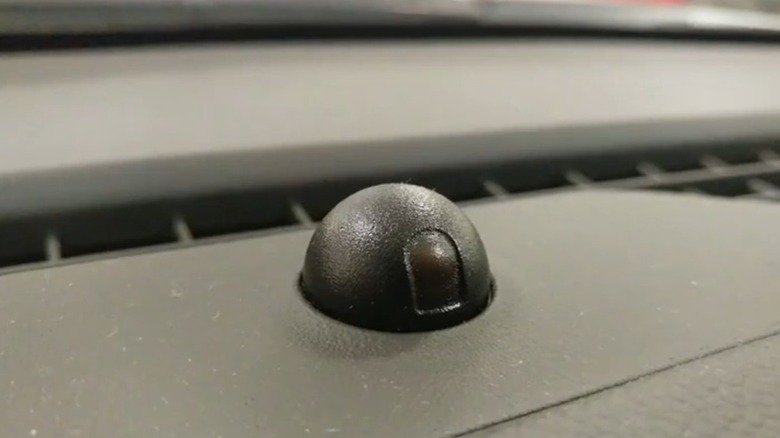
Have you ever noticed that little dome-like structure on top of your dashboard, sitting quietly in its own corner, unlike the many distracting doo dads of a modern car interior? Have you ever wondered what it was for? Maybe you haven't, because you have far more important things to think about. Well, that's why we're here. We wonder about the stupid stuff so you don't have to. And you may be surprised to learn that odd little object on your dashboard has a function. It plays an important role in regulating the temperature inside your vehicle.
That little object is called a sunload sensor and, as its name suggests, it measures the amount of sunlight that is pouring into your car through the windows, along with the azimuth and elevation of the Sun. Why does it do that? Anyone who has gotten hot on a cool day inside a closed car with the windows rolled up knows that ambient temperature is only part of the story when it comes to how hot or cool a vehicle's interior is. This little sensor allows your car's climate control system to take sunlight into account when heating or cooling the vehicle.
What happens if your sensor isn't working? Your air conditioning may not work hard enough on hot days. Your heater may not work properly on sunny winter days either. Without the sunload sensor, your HVAC system can't take sunlight into account, and that's a big factor impacting the temperature of your car.
How the sunload sensor helps regulate your car's temperature
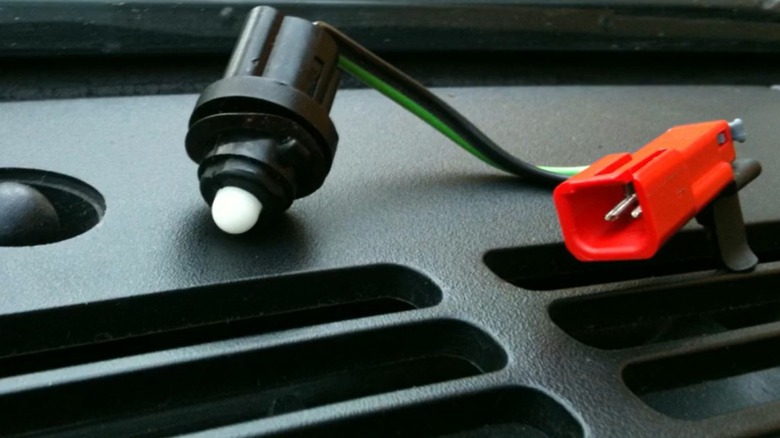
Did you know that sunlight can account for 60% of the heat inside your car? Well, it does, and a car's HVAC system isn't going to work very well if it doesn't take that into account. The sunload sensor does this by means of a photodiode and the current it sends to the HVAC system, which is typically 0 to 5 volts. The photodiode increases resistance when the sun is shining brightly into the car. The higher the intensity of the sunlight, the lower the voltage of the signal that is sent to the AC amp and unified meter.
What does the climate control do with that signal? The HVAC system uses the strength of the signal to determine fan speed and how to blend the hot and cool air venting into the cabin. Your vehicle's climate control system includes blend doors, which regulate whether warm or cool air is sent to the cabin. Depending on whether the cabin needs to be cooled or heated, air will be directed by these doors either through the AC evaporator or the heater core.
The signal from the sunload sensor is used to regulate the direction in which these doors open. If it's a very sunny, hot day, the sunload sensor sends a weak signal, and the blend doors will open wide to let in more cool air through the AC evaporator. The opposite happens on a cloudy day or at night. The signal from the sunload sensor will be stronger, which means not as much cool air will be directed into the cabin. If you think that's impressive, check out Nissan's new paint that cools your car.
How to tell if the sunload sensor isn't working
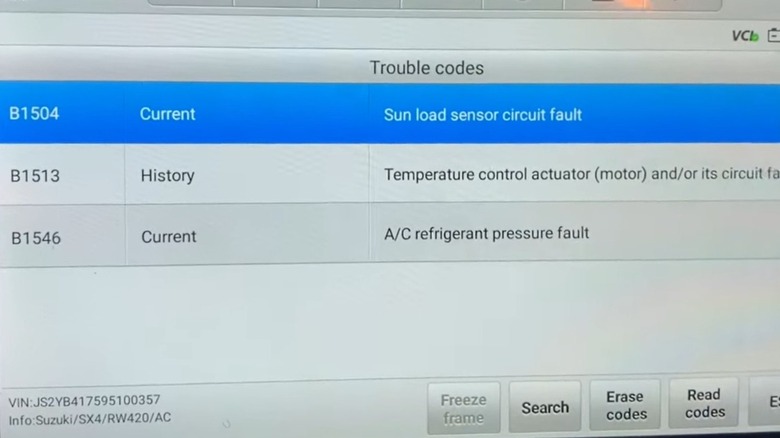
Is your AC not blowing cold enough? Some may react by buying a can of refrigerant to recharge the unit. Others may immediately take the car to a mechanic, while those with a tight budget may decide that they're going to have one hot summer while riding around with the windows open. However, an AC that isn't working properly can be a sign the sunload sensor is malfunctioning.
Is something on your dash covering one of the sunload sensors (there are often two)? This can interfere with how your AC functions, especially if sunlight is completely blocked from reaching the sensor. You may want to try cleaning the visible part of the sensor, too, since enough dirt and grime can block sunlight. We should note that a malfunctioning sensor will cause an error code (usually a B code). The code may not necessarily trigger a check engine light, but it will show up on your OBD-II scanner. A less definitive way to test the sensor would be to compare how your AC works with the sensor covered and uncovered. But do this with the car parked outside on a sunny day, as the sensor is calibrated for sunlight, not the interior lights of your garage. We should also note that the sunload sensor is not the same as the headlight sensor that looks similar but turns on your automatic headlights. So, be sure to test the right one.
Now you know what that little sphere on your dash is — just make sure not to cover it. And while you're at it, check out our tips for keeping your AC cold.