

What Driving A Stick Shift Teaches You That An Automatic Never Will
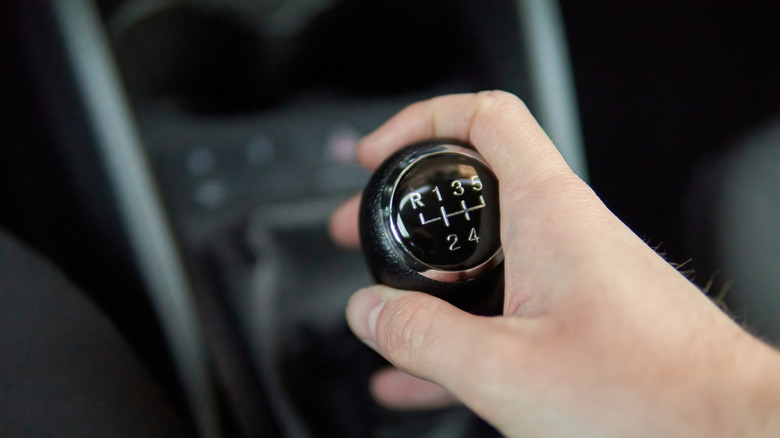
According to the 2024 EPA Automotive Trends report, nearly 35% of all new vehicle models sold in 1980 were equipped with a manual transmission — but for 2024, that number has shrunk to below 1%. Yet there are still over 30 cars you can buy with a manual transmission in 2025.
Automatic transmissions are easier to live with, more convenient in city traffic, generally smoother, and typically carry a higher resale value in the mainstream market. Yet there are times when an automatic simply can't match the speed and precision of an experienced driver with a manual. And manuals are easier and cheaper to maintain, may offer better mileage, and can be less expensive to buy.
Beyond that, driving a stick shift teaches you things an automatic never will. And that's exactly what we're going to talk about today. Keep in mind that individual experiences may vary, and that not all automatic and manual transmissions are equal.
Higher levels of car control
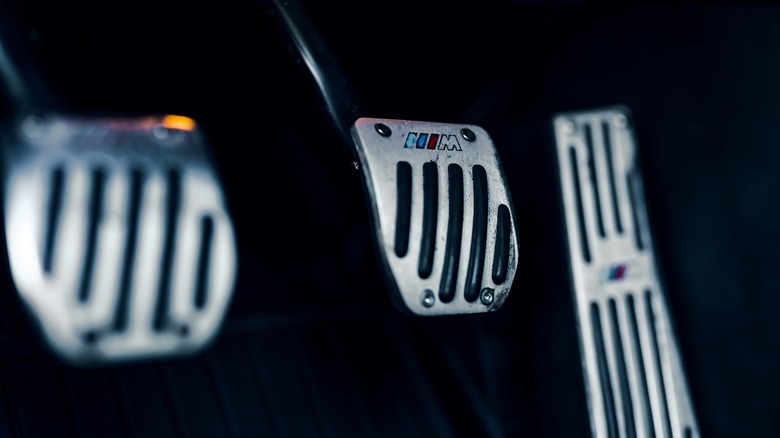
The transmission is an essential car system that efficiently transfers the engine's power to the wheels. With an automatic, you can control the transfer of power, but with a manual, you have much greater control over how, when, and where that power is applied. This allows for precise gear selection, optimized engine performance for specific conditions, and a more engaging driving experience.
Think of it like playing an instrument in a band. With an automatic, you are responding to the music that comes. You're playing the notes, but you're structured, predictable, and in many ways, just along for the ride. With a manual, you are the composer. You choose your notes, you control the tempo, and you shape the performance you want to experience. It all depends on your perspective, though, as many people actually prefer automatics for these same reasons.
Even so, many driving enthusiasts prefer the manual, which is why our readers wish these cars came with a manual. All in all, a manual lets you experience a sense of mastery over the car that an automatic simply can't replicate. Techniques such as heel and toe, analog rev-matching, and double-clutching are just a few examples of the quintessential manual transmission experience.
Mechanical car sympathy
Cars are complex, and it often seems like only experienced mechanics understand them. A manual transmission offers you a way to understand how power is being delivered, why rpm matter, and what the clutch actually does. With a manual, you can feel when and how the clutch is engaging because you're the one controlling it.
When you learn the ropes and know how to properly operate the clutch, you're more easily able to tell whether something isn't working as intended, because driving a manual keeps you more engaged. With a stick shift, it's easy to notice clutch slippage, unusual pedal resistance, or weird vibrations, and that can help with car maintenance. Over time, it can lead to developing a form of "mechanical sympathy" with the car.
In other words, you can interpret the car's feedback into actionable information. There are always car things you'll have to learn the hard way, and there isn't much you can do about that. However, if you understand how your car operates and what your inputs do to a transmission, you'll be in a better position to maintain it. This is especially true since maintaining a manual transmission is easier due to its simplicity.
Multitasking brain power
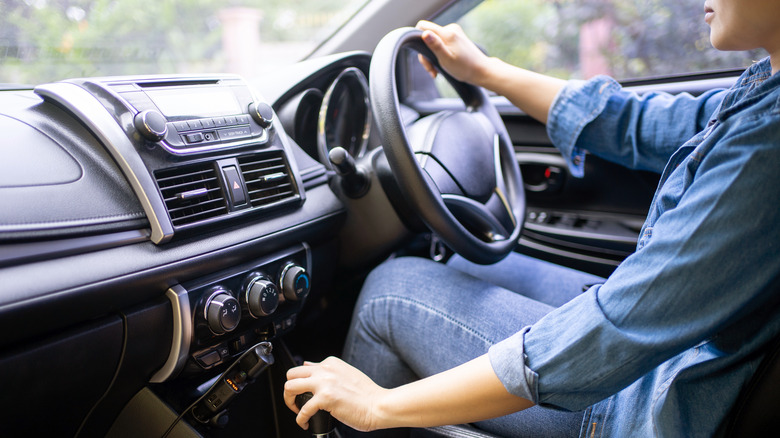
With a stick shift, you have to coordinate multiple tasks at the same time. An automatic transmission requires two-pedal operation, while driving a stick shift requires three pedals. Moreover, you're also modulating the throttle and predicting traffic conditions to select an appropriate gear.
Psychologists say dealing with multiple tasks can lead to "task switch costs," demands on mental energy that results in subpar problem solving. According to the American Psychological Association, research shows "multitasking may seem efficient on the surface but may actually take more time in the end and involve more error."
But a 2009 study published by Neuron showed that "extensive training can greatly reduce such multitasking costs." And when driving a manual and operating the clutch, you're training your mind to deal with these divided-attention tasks, learning to juggle multiple jobs without dropping the ball. You're forced to allocate your brain resources strategically, which promotes better handling of real-time task management. (If you want to give this traning a shot, here are the best manual cars for learning to drive stick.)
Driving more fuel-efficiently
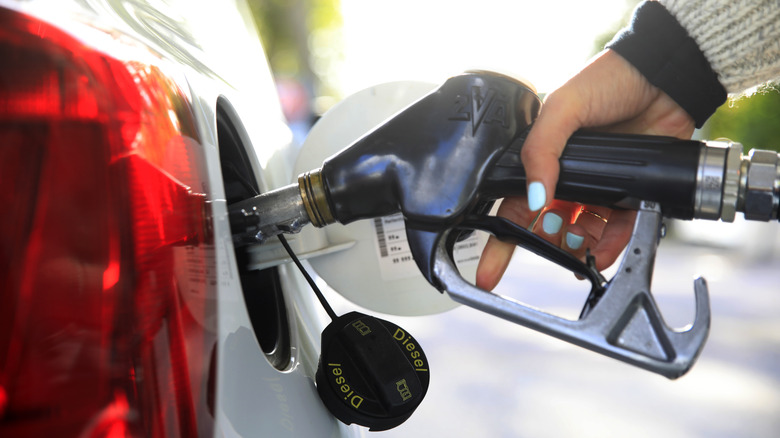
Driving a manual car doesn't always translate to better fuel efficiency, but if you know how the engine and the transmission create power, you're in a better position to alter your driving habits to use less fuel. For instance, keeping your mpg count high includes selecting the correct gear and keeping the car at cruising speed — factors that have everything to do with when you shift gears. The ability to take control of these aspects is where a manual can let you save fuel over an automatic.
A manual transmission also requires you to anticipate traffic and terrain. This can reduce unnecessary acceleration and braking, and further improve your efficiency. Although modern automatic transmissions are very good at knowing which gear to select and where, they are not infallible. In a Consumer Reports test of same car models with different transmissions, the magazine noted that "in some cars a manual transmission can improve gas mileage by a significant 2 to 5 mpg, compared with an automatic."
With a manual transmission you control the rpm, engine load, and gear selection. And all of these can have a significant impact on overall efficiency.