

The Top US Car Shows Every Gearhead Should Attend
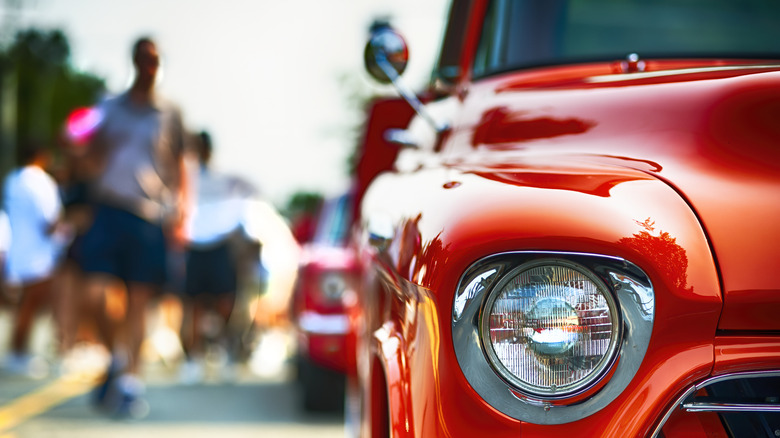
When you think "car show," there's a good chance that one of two things comes to mind. The first is that cherished phenomenon that happens one Sunday a month in every American small town, where locals line the main drag or perhaps the empty parking lot of a cooperating business to show off their rides. You'll find a lot of old men with Bel Airs and slightly younger old men with Corvettes. Aside from those mainstays, the rest of the participants will vary wildly from place to place, so it's definitely worth your weekend afternoon to go check it out, even if we can't exactly drop a specific recommendation here.
Then there are full auto exhibitions, once annual mainstays in major American cities, where consumers would line up to see the latest models from each manufacturer, perhaps even catching a glimpse of a flashy concept vehicle or two. It was a win-win for both manufacturers and the buying public. In the same hour, a new parent could check out the latest in minivan/vacuum integration technology and ogle the two-seat sports car that might have been. It was also really, really expensive for the manufacturers, and while many of us remember the pandemic as the end of many of these shows, the decline in participation by both consumers and manufacturers alike actually began quite a bit earlier. A few remain (and you might find a couple on this list), but the days of the auto show as the enterprise of the enthusiast calendar year are largely over. So how do we fill the void? Let's find out.
Los Angeles Auto Show – Los Angeles, California
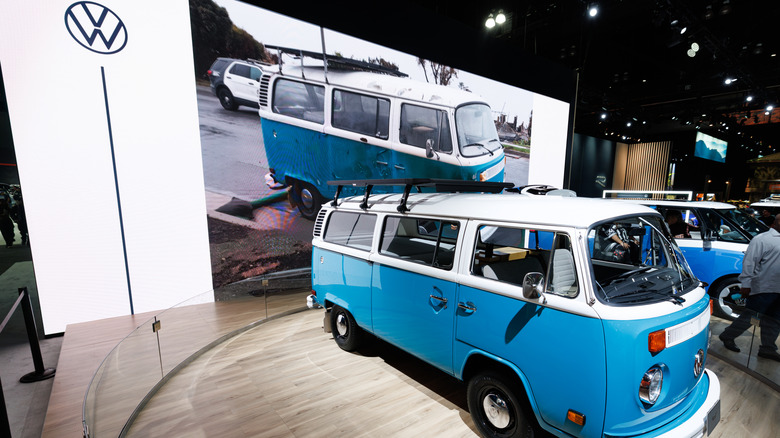
The Los Angeles Auto Show dates back to 1907 when it launched at a downtown skating rink. Since then, it has grown alongside the auto industry into one of the largest and best-attended motoring events in the world. Even when auto shows dotted the U.S. from coast to coast, this was the one where industry met culture in the spot that is arguably the car capital of the world. It has the scale and manufacturer presence you expect from a major auto show, but it also carries an LA-specific flavor that's hard to duplicate. Brands use it as a stage for new models, especially vehicles aimed at style-conscious buyers and tech-forward early adopters.
For a gearhead, the best part is that it's a concentrated way to see where everything is heading without dealership fatigue. You can bounce between EVs, performance trims, luxury flagships, and oddball concepts in a single day. The show's programming includes exhibits, stages, and car-culture-focused areas, which help it feel less like a static product lineup and more like a living snapshot of what the industry thinks people want next.
LA also benefits from context. You're in a city where the Petersen Museum exists, where canyon runs are a thing, aftermarket shops have global influence, and "car scene" is not one scene. If you're traveling for an auto show and want the trip to still feel like a gearhead vacation after the convention center closes, LA is one of the easiest choices.
Monterey Car Week & Pebble Beach Concours – Monterey / Pebble Beach, California
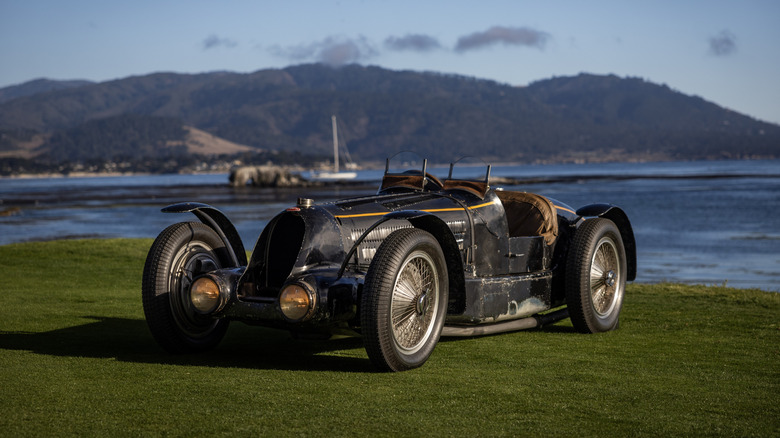
Monterey Car Week is the closest thing the US has to a full-on automotive migration. It's not one car show; it's an entire week where the Monterey Peninsula becomes a dense network of events, gatherings, and high-stakes car-world rituals. The anchor is the Pebble Beach Concours d'Elegance, which is still the defining American concours and one of the most prestigious in the world. The cars on the lawn are historically significant, painstakingly presented, and often tied to major racing histories, coachbuilders, or cultural milestones.
Pebble is also the kind of event where you can see how the collector world thinks. You can learn plenty about the zeitgeist of the automotive elite based on what gets celebrated, what gets preserved, and what doesn't make the cut to be there in the first place. Even if you're not a concours person, it's a rare opportunity to see machine-level craftsmanship and restoration standards that are difficult to comprehend until you're standing inches away.
The larger Car Week ecosystem is part of the appeal. Monterey becomes a place where you can go from formal concours vibes to more casual gatherings, and you'll encounter everything from vintage icons to modern supercars because the crowd that attends is that broad. If you want one trip that hits history, money, taste, and mechanical obsession all at once, this is it.
So if you're the kind of person who knows that the Bugatti Brouillard is a one-off W16 coupe themed after Ettore Bugatti's favorite horse, just know that Monterey Car Week is where such things make their debut.
Woodward Dream Cruise – Detroit, Michigan
Detroit's Woodward Ave dates back to the 1800s, where a rutted and bumpy log road gave the carriage-driving hotshots of the day limited opportunity to show off their early nineteenth century rides. But smoother planks installed in 1848 made proper driving (and thus racing) possible, and the cruising era officially was underway.
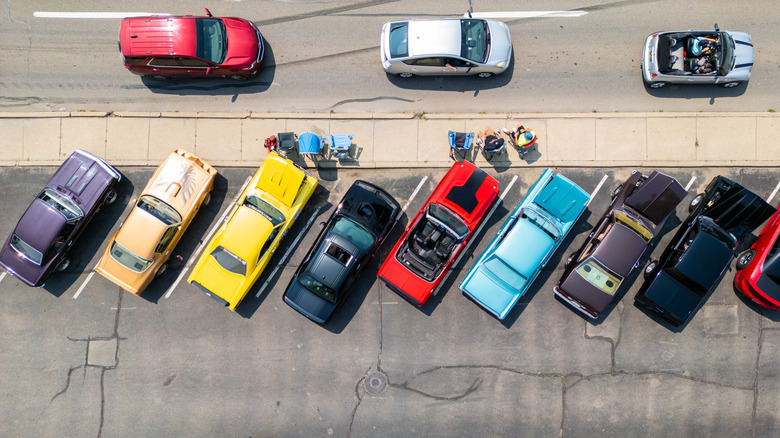
That sort of organic origin story is still alive today at the Woodward Dream Cruise, where instead of a fenced venue or a ticket gate, they've had a public-road event that takes over a famous stretch of Michigan pavement and turns it into a moving, living archive of American car culture since 1995. You get massive crowds, a constant flow of cars, and a feeling that the entire region has agreed to prioritize cruising for a day.
What makes Woodward special is accessibility. The barrier to entry is basically "do you have a car and the patience to inch along," and the spectator experience is equally simple. Bring a chair, claim a curb, and watch. Because it's open, you don't get a curated or filtered selection. You get everything. That means pristine restorations, beat-up survivors, modern performance cars, homebuilt oddities, and the kind of deeply local weirdness that makes car culture worth paying attention to. In fact, the best cars of the Woodward Dream Cruise are the meticulously maintained boring cars that you won't find at most of the venues on today's list.
Amelia Island Concours d'Elegance – Amelia Island, Florida
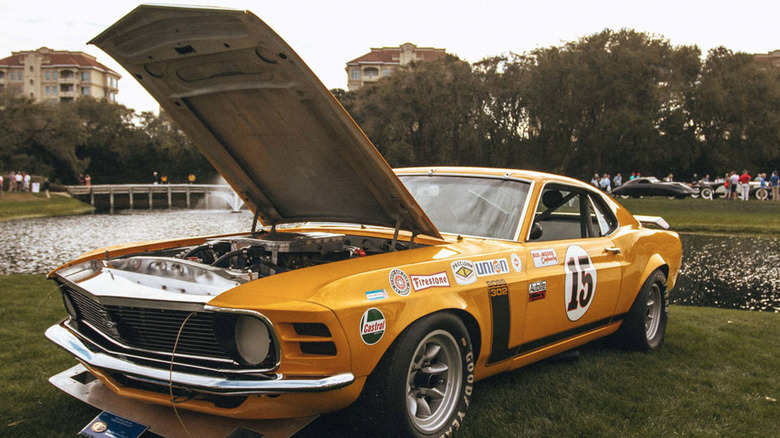
The Amelia Concours is one of the "serious" car events in the country because it combines concours prestige with an atmosphere that still feels inviting to regular enthusiasts. It's held at the Ritz-Carlton, Amelia Island, and the event positions itself as a celebration of speed and style, which is a good shorthand for how it tends to program its show field. You'll typically see historically significant vehicles across many classes, with an emphasis on cars that have stories worth telling, not just cars that look good under a tent.
A big reason Amelia works is scale and structure. The event promotes a large concours field with hundreds of vehicles competing across dozens of classes, and the schedule extends into multiple days with related activities. That gives you time to actually process what you're seeing, instead of feeling like you sprinted past history in a single afternoon. It also makes the trip feel like more than a one-day show, which is important if you're traveling.
For gearheads who prefer cars that did things, not just expensive cars, Amelia often hits a sweet spot. The concours format brings the quality control and depth, but the broader event framework keeps it from feeling like a stiff museum visit. If you want a Pebble-style experience without quite as much formality — and a major US concours that's still fun to walk – Amelia belongs on the short list.
Barrett-Jackson Scottsdale Auction – Scottsdale, Arizona
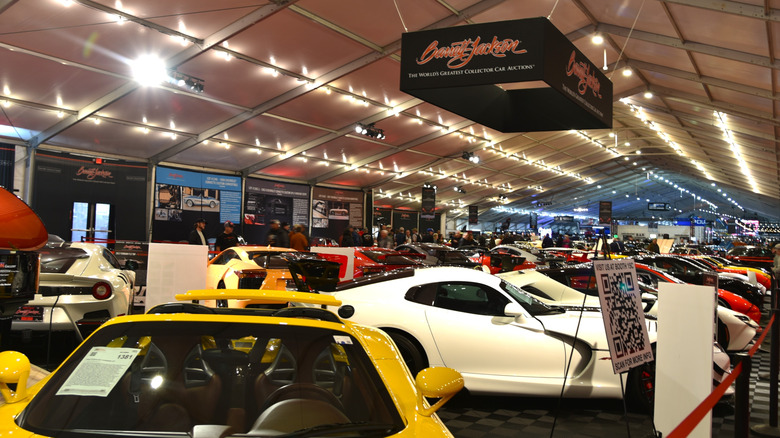
At the peak of early 2000s cable TV, the televised feed of Barrett-Jackson did for collector cars what the World Series of Poker did for card gambling–namely letting regular folks feel like grizzled professionals after a long enough stint on the couch listening to commentary and watching the action. And even just on television, it's compelling stuff. You're not just looking at a row of muscle cars; you're watching the market decide what a given car is worth, on that day, in front of a crowd. Even if you never raise a paddle, it's a rare chance to see how hype, scarcity, restoration quality, and story all translate into dollars.
Scottsdale is the best-known Barrett-Jackson week, and it has become a cultural event for collector-car people. The variety is part of the appeal. You can walk from restored classics to restomods to modern performance cars without changing buildings, and you'll see vehicles up close that normally live in private collections. On top of that, for those who didn't bring a trailer (as they say), there's plenty to buy that isn't a car, with an expansive vendor marketplace of automotive oddities and accessories that can be as fascinating as the auction itself. It a unique dichotomy that lets you browse really cool handmade keychains that cost a few bucks while Donald Trump's old Lamborghini Diablo VT Roadster sells for $1.1 million.
Hot August Nights – Reno / Sparks, Nevada
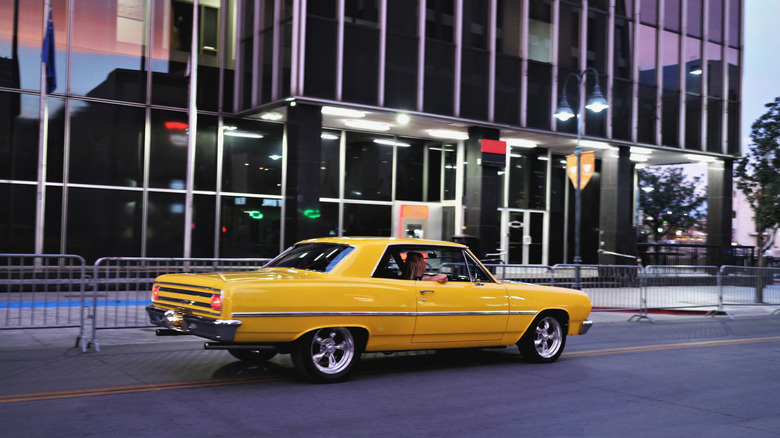
Hot August Nights is the kind of event that reminds you car culture is often about mood as much as metal. It's a nostalgic car festival that takes over Reno and Sparks with a full schedule of show-n-shines, cruising, and related events with a strong emphasis on vibe-heavy activities and experiences like burnout competitions and rock & roll. You don't go to Hot August Nights to look at a few cars under perfect lighting. You go to watch the city turn into a moving parade of classics.
The era focus and cultural framing matter. Hot August Nights leans into an old-school Americana vibe, and the cars tend to reflect that, especially older muscle and classic cruisers. That makes it different from modern mixed-era shows where you get a random assortment of everything. Here, the experience is more cohesive, and that cohesion makes the whole trip feel like stepping into a themed weekend where cars are the main language people speak.
It's also a good example of how a car event becomes a civic event. The geography, the streets, the spectators, and the participation all combine into something bigger than a convention hall could ever produce. If you want a show that feels like a community decided to throw a car party at city scale, Hot August Nights is that.
Goodguys Summit Racing Nationals Presented by PPG – Columbus, Ohio
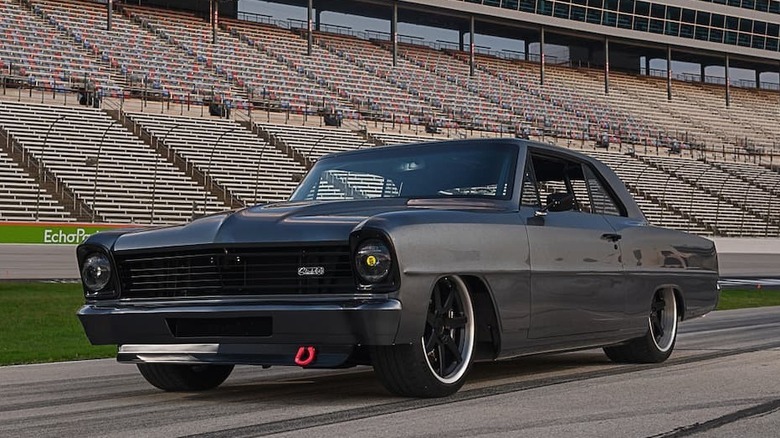
Goodguys events are everywhere, but the Summit Racing Nationals in Columbus are the flagship experience that best communicates what the organization is about. It's focused on classic-era cars, with thousands of vehicles and a structure that caters to both owners and spectators. The official event page lays out dates, venue, and show hours, and that practical clarity is a clue: this is a big, well-run event designed to handle a massive turnout without collapsing into chaos. (Yes, we're calling out their event page because it's genuinely one of the more useful ones we encountered when making this list. Car people aren't necessarily website people, it turns out.)
The show's appeal is variety inside a clear mission. You get hot rods, customs, muscle cars, and trucks, and you'll see everything from expensive builds to genuine home-garage projects. The vendor presence is a big piece, too, because Goodguys is not just a show where you admire cars; it's a show where you can buy parts, talk to builders, and learn what people are currently doing in the classic scene.
Another key point is that Goodguys tends to reward cars that are driven and used, not just polished. The event format often includes activities beyond static display, and that reinforces the "cars are meant to move" ethos. If you want a US car show that feels like a living ecosystem of classic-car ownership, not merely a curated display, Columbus is one of the best single-weekend representations of that.
Detroit Auto Show (North American International Auto Show) – Detroit, Michigan
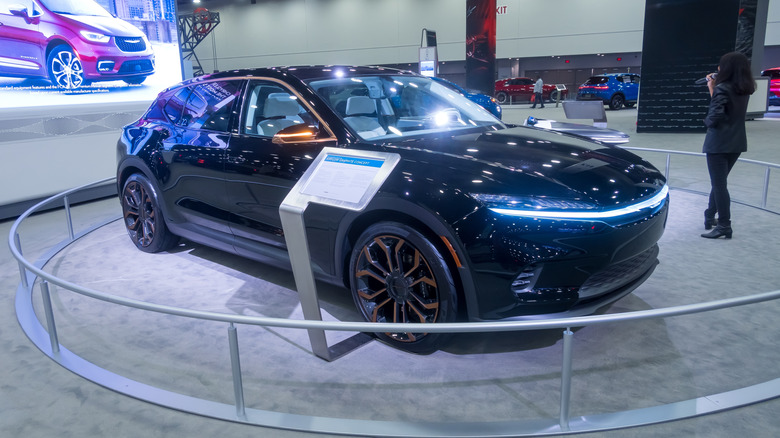
The Detroit Auto Show still matters because Detroit still matters. You might remember this one as the North American International Auto Show, a place for car buyers and car makers to connect in real time, but it has added events and experiences beyond just eyeballing cars and maybe sitting in them. Even as the auto-show world has shifted and manufacturers increasingly launch vehicles online, Detroit retains symbolic weight as a home show that's tied directly to American manufacturing history.
For a gearhead, Detroit works best when you treat it like a future-facing trip. You're there to see what manufacturers are willing to put on a big stage, to compare new vehicles quickly, and to participate in the interactive pieces that are increasingly central to auto shows. The site's show-floor hours and public show dates also underscore that it's a multi-day experience, which can matter for travelers who want flexibility.
It's also one of the few auto shows where the city context adds a layer. You are visiting a place where car culture isn't a hobby; it's a legacy industry, a labor story, and a civic identity. That doesn't make the show automatically better, but it does make it feel more grounded than an auto show that could be in any random convention center. It's why, after the pandemic cancellations of 2020 and 2021, Michigan was absolutely desperate to get the Detroit Auto Show back.
Chicago Auto Show – Chicago, Illinois
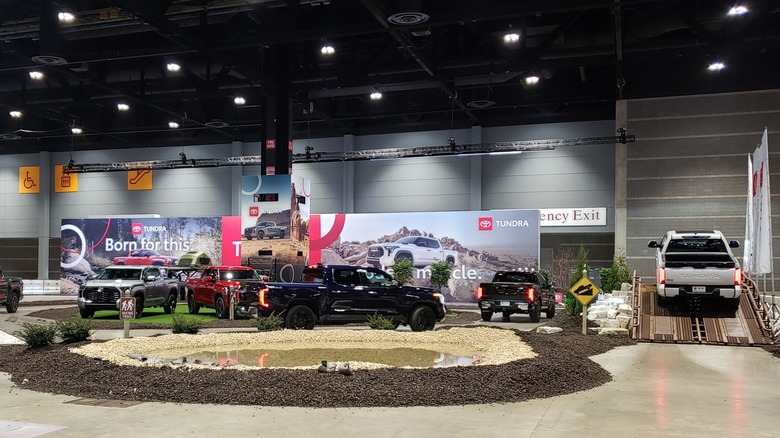
The Chicago Auto Show is a monster consumer-facing event, and its power is straightforward: scale, accessibility, and practicality. If you want to sit in everything, compare everything, and do it all under one roof without dealership pressure, Chicago is hard to beat. Unlike many modern shows, Chicago still draws major manufacturer participation.
For enthusiasts, the show offers a different kind of fun than a concours or a cruise. You're not there to discover one-off builds or rare coachwork. You're there to see the real-world product lineup, including trims and configurations that matter if you actually plan to own and drive the thing. That also means you can spot broader trends fast. Walk the floor and you'll see what segments are expanding, which features are being emphasized, and how brands are presenting themselves to the public.
Chicago's other advantage is its long-running identity as a major North American auto show. It's one of the events that still feels like a big public tradition, and it tends to draw huge crowds because it works as a winter outing as much as a car event. If you're building a list that includes "must-attend" auto shows for the public, Chicago is an easy inclusion.
SEMA – Las Vegas, Nevada
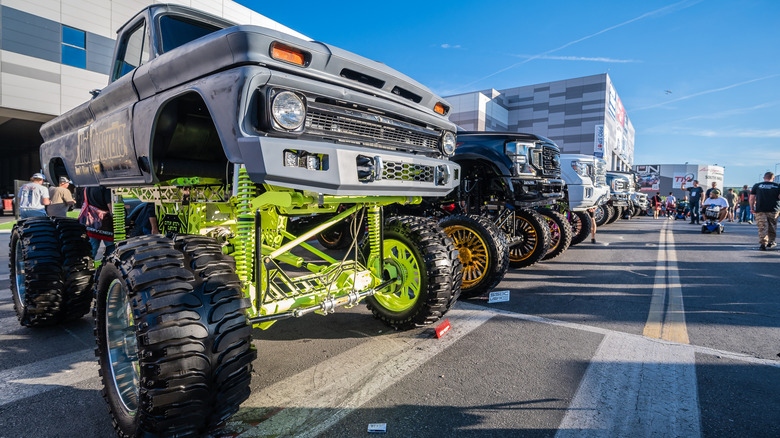
First, a caveat: unless you're in the industry, the Specialty Equipment Market Association (yep, that's what it stands for) is not, technically speaking, for you. The draw is real, however, with uncredentialed enthusiasts elevating sneaking their way into the experience to an art form. We're talking about the most influential aftermarket trade show in the US, but from a pure "importance to car culture" standpoint, SEMA is undeniable. It's where builders, brands, and suppliers show what they want the future of modification to look like. Many of the aesthetic and performance trends that dominate the scene for the next few years often appear here first.
The event attracts attendance with public-facing spectacles like SEMA Fest, which displays all manner of big, flashy vehicles. So while you might not have trade-show access, there's an awful lot to soak in if you can make your way to Vegas in November. Even when it's bad, it's good, leaving us eager to share takeaways like the worst builds we saw at SEMA 2023. We're journalists (allegedly) and can just go. Eat your hearts out, uncredentialed public.
Radwood – Various Cities Nationwide
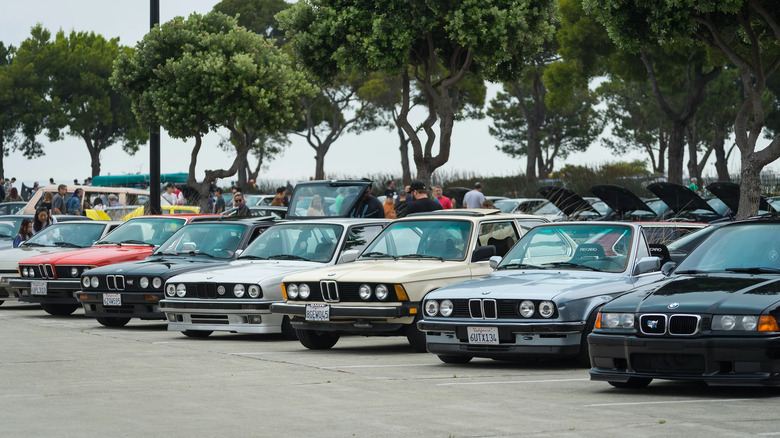
We'd never compromise our editorial integrity by saying something like "saved the best for last," but also... yeah. Radwood might not represent the biggest, the most spectacular, or the most historical of your gearhead car show options, but it just might be the one with the purest automotive enthusiasm in its blood. An unrepentant celebration from the automotive '80s and '90s, Radwood is going to hit hard in the nostalgia department for enthusiasts of a certain age.
This is a lifestyle event centered on cars, trucks, and bikes with period-correct energy that makes dress, music, and overall period-specific energy all part of the appeal. It's why Radwood feels less like a traditional car show and more like a participatory festival built around a shared appreciation for the era.
The cars that show up can be anything from pristine survivors to forgotten oddities, which is part of the charm. Wildly, this up-and-coming event has earned satellite displays at high-class locales like The Amelia, Greenwich Concours d'Elegance, and Motorlux, proof that doing something well enough, even if it's offbeat, can land you a spot among the heavy hitters.
Part of the appeal is also that Radwood is not a single-location pilgrimage — it tours. That means a gearhead can realistically attend without making it a once-in-a-decade travel splurge. If you want one event that captures how a big portion of today's enthusiast world actually behaves, Radwood is a clean, modern inclusion. Radwood is back, and it's bigger than ever.